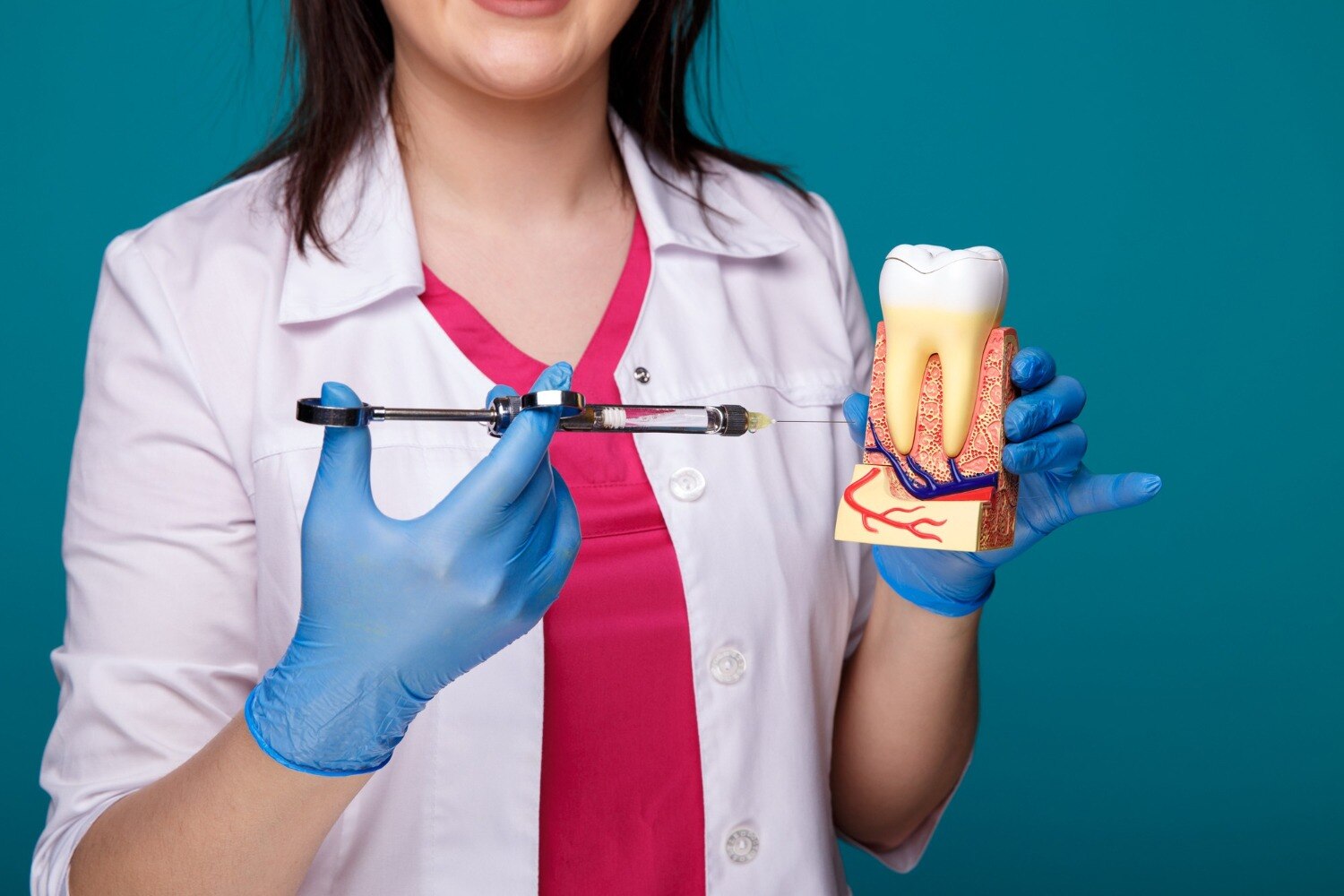
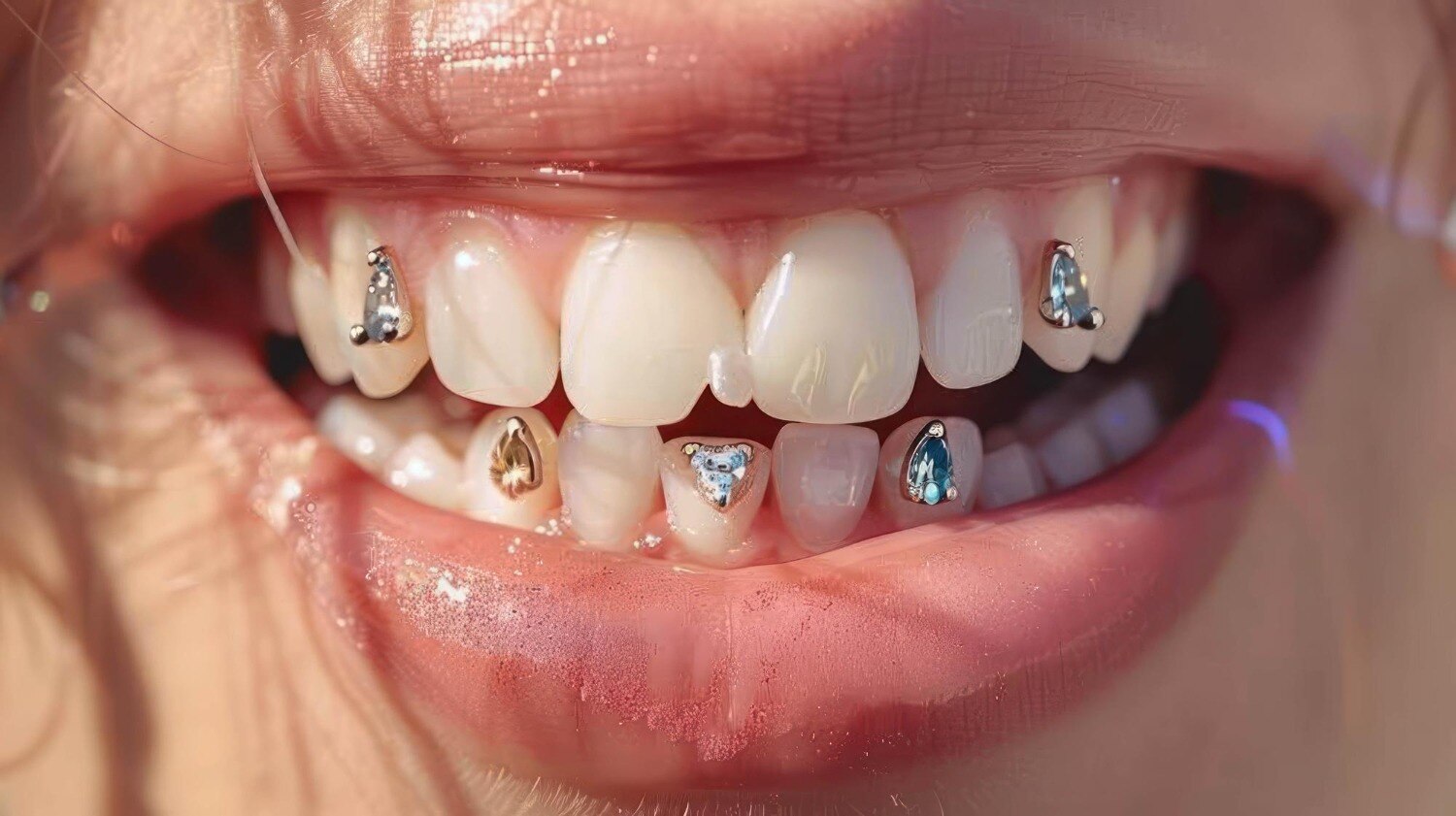
A dental jewellery appointment should involve more than placing a decorative stone on a tooth. You will learn how the tooth is examined, cleaned, bonded and checked, which conditions can delay treatment, and what to ask before choosing a Delhi provider.
Key takeaways
- Confirm the tooth has no decay, cracks, gum inflammation or active infection.
- Choose jewellery and bonding methods after checking enamel, restorations and orthodontic appliances.
- Expect cleaning, isolation, adhesive placement, curing and a final bite check.
- Verify the clinician, materials, aftercare instructions and removal process before treatment.
What happens during a dental jewellery consultation in Delhi?
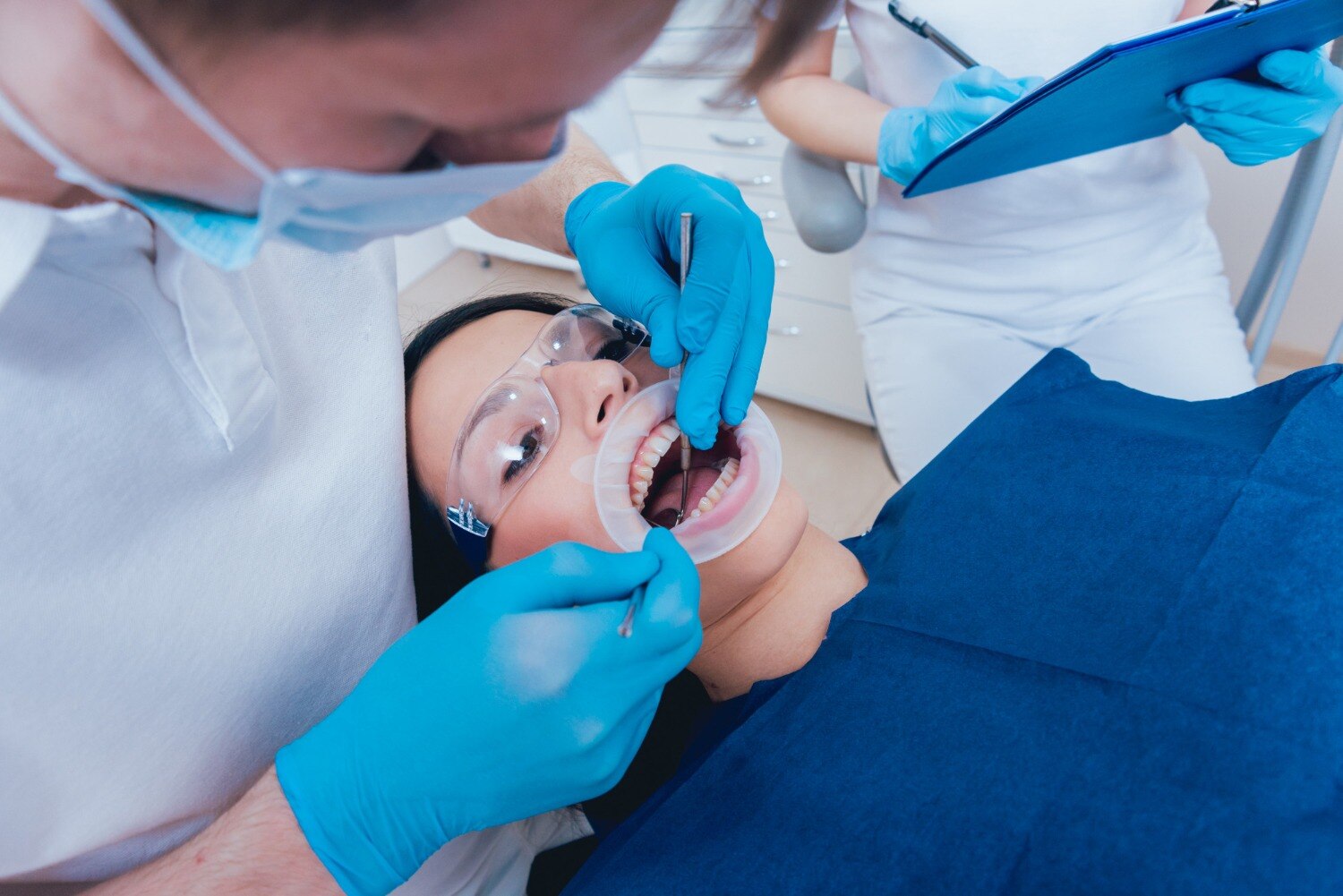
A dental jewellery consultation in Delhi starts with deciding whether the proposed tooth is healthy and suitable, not with gluing on an ornament. The examination covers the tooth, enamel and surrounding gums, including cavities, open decay, cracks, enamel defects, exposed roots, fillings, crowns, veneers, bridges, braces, aligners, gum inflammation and plaque control.
1. Postpone bonding until decay, a temporary filling, open cavity, crack, exposed root, inflamed tissue or poor plaque control is treated. Crowns, veneers, bridges and orthodontic appliances need individual assessment because their surfaces and removal risks differ.
2. Choose the design with the clinician: size, colour, shape and material. Discuss any metal allergy history, and use photographs or shade matching when the tooth colour affects the result.
3. Place jewellery on smooth, accessible natural enamel, away from untreated disease and inflamed gums. Dental jewellery is cosmetic; it will not repair decay, fractures, worn teeth or gaps.
4. Review expected retention without accepting a promised lifespan. Biting forces, the tooth surface, bonding technique and cleaning affect how long it stays.
5. Give consent after discussing the bonding and removal method, what to do if the ornament loosens, and how to clean around it. Request a written treatment plan.
Delhi adds no separate biological process to dental jewellery in Delhi. The useful distinction is whether the provider examines you and offers dental treatment, professional bonding and safe removal rather than simply applying an ornament.
What are the steps in the dental jewellery treatment process in Delhi?
The dental jewellery treatment process in Delhi begins by choosing a visible tooth and matching the ornament with its shade, size and shape. The dental jewellery procedure is cosmetic and does not repair decay, cracks, worn enamel or gaps.
1. The practitioner selects a smooth, accessible enamel area away from the gum margin, tight contacts and deep grooves. This location makes cleaning easier and reduces plaque retention.
2. The tooth is cleaned, then saliva is controlled with cotton rolls, cheek retractors or another isolation method. The bonding surface must stay dry; you should feel cleaning, cheek or lip support and light pressure.
3. The enamel is conditioned with a dental etchant. The practitioner applies a dental bonding agent and a small amount of composite resin, rather than using household glue.
4. The ornament is positioned accurately, and excess composite is removed before curing. A curing light hardens the resin and fixes the jewellery to the enamel.
5. The practitioner performs a visual check, gently checks the edges and asks you to close and move your jaw for a bite check. The ornament should not catch your lip, rub the gum or interfere with biting.
A correctly planned application normally involves no drilling, healthy enamel removal, injections or local anaesthesia. The exact sequence can vary with the tooth and material, but superglue, nail glue and household adhesives are not substitutes for dental bonding materials.
Which jewellery and attachment method are appropriate for a tooth?
Appearance is only one test: choose an ornament that is biocompatible, smooth, rounded at the edges, securely backed and small enough not to disrupt brushing or biting. Crystal and glass pieces offer sparkle, while gold and other metals require discussion of metal allergies and oral compatibility.
| Option | What it means | Main trade-off |
|---|---|---|
| Bonded gem | A small crystal, glass or metal ornament fixed directly to natural enamel | Easy to clean when placed on a smooth, accessible area |
| Removable decoration | An ornament that does not use the same intraoral bonding process | Less fixed, but it may move or require separate cleaning |
| Grillz | A removable cover or fitting that sits over one or more teeth | Covers more tooth surface and can affect comfort, speech or hygiene |
| Veneer | A cosmetic or restorative shell that changes the visible tooth surface | Alters the tooth’s appearance more extensively than a gem |
For tooth jewellery treatment, placement matters as much as the ornament. A site near the gum margin, between teeth or inside a deep groove can retain plaque; a smooth front surface is easier to brush, inspect and clean during removal.
Crowns, veneers and bridges have different surfaces from natural enamel, so each needs individual assessment before bonding.
Dental-grade bonding means the practitioner uses materials intended for oral use and cures them correctly. It does not mean the jewellery is permanent. Ask how the backing will be removed and whether the size or position could catch food, interfere with your bite or make interdental cleaning difficult.
How long does the procedure take, and what happens after bonding?
A simple dental jewellery procedure is usually completed in one appointment, but no responsible provider can promise a fixed appointment length. Extra assessment or treatment for decay, gum inflammation or a restoration can delay placement or require a separate visit.
A routine follow-up is not automatically required. Know how to contact the provider if the gem feels loose, the resin edge catches, the gum becomes sore or plaque builds up.
- Brush twice daily with fluoride toothpaste and a soft toothbrush, cleaning carefully around the ornament without forcing the bristles against its edge.
- Clean between the teeth with floss, an interdental brush or another method recommended for the space around the bonding.
- Attend routine dental examinations because caries beside the bonding can develop without immediate pain.
Retention varies with the tooth surface, bonding technique, biting forces, hard foods, object-biting, bruxism and oral hygiene. Plaque trapped around the ornament can cause gingival irritation, bad breath, enamel demineralisation and caries.
If the ornament comes loose, do not chew it. Coughing, wheezing or breathing difficulty after it detaches requires urgent medical assessment.
For removal, a dental professional breaks the bond, removes residual composite and smooths or polishes the enamel. Picking, scraping or levering the ornament off at home can damage enamel or an underlying restoration.
What should you verify before choosing dental jewellery in Delhi?
Choose the provider who explains the actual dental jewellery treatment process in Delhi, not one who relies on labels such as “professional” or “safe.” Compare answers against this table:
| Provider check | What a satisfactory answer covers | Warning sign |
|---|---|---|
| Examination and site | A dentist examines enamel, gums, decay, cracks and plaque control; placement is on accessible natural enamel | Immediate bonding without an examination |
| Bonding method | The surface is isolated from saliva; the material and dental bonding system are named | Household glue, vague materials or no isolation |
| Position and finish | The ornament avoids the gum margin, deep grooves and biting contacts; the bite is checked | No bite check or placement where plaque collects |
| Removal and aftercare | A dentist breaks the bond, removes composite and smooths the surface | Advice to pick, scrape or lever it off |
During a dental jewellery consultation in Delhi, ask:
- Who will examine the tooth, and how will you be told about risks and consent?
- What happens if the jewellery debonds, and is a follow-up review available?
- How should you brush and clean between teeth around the site?
- What material, bonding system and removal plan will be recorded?
A provider should refuse or defer bonding over untreated decay, open cavities, temporary fillings, exposed roots, inflamed gums or poor plaque control. Braces, aligners, crowns, veneers and bridges need individual assessment.
At AK Dental Superspeciality Clinic on CGHS ECHS CBSE, ask specifically for the examination, consent discussion, professional isolation, bonding and safe removal plan described here. Routine dental examinations remain necessary because decay beside an ornament can develop without immediate pain.
Related service
Dental Jewellery Add a Sparkle to Your Smile with Safe & Professional Tooth Jewellery Your smile is one of your most beautiful features—why not make it shine even... View service → |
Frequently asked questions
What happens during a dental jewellery consultation in Delhi?
The dentist examines the proposed tooth, enamel and surrounding gums for decay, cracks, defects, exposed roots, restorations, orthodontic appliances, inflammation and plaque control.
What are the steps in the dental jewellery treatment process in Delhi?
The process includes a suitability check, tooth cleaning, isolation, jewellery positioning, adhesive bonding, curing and a final check of the bite and attachment.
Which jewellery and attachment method are appropriate for a tooth?
The choice depends on the tooth’s health, enamel surface, existing filling or crown, jewellery design and whether braces, aligners or other appliances are present.
How long does dental jewellery treatment take, and what happens after bonding?
The appointment length depends on examination and bonding requirements. After bonding, you receive care instructions and the dentist checks comfort, position and bite.
What should you verify before choosing dental jewellery in Delhi?
Verify the clinician’s qualifications, the jewellery material, bonding method, hygiene procedures, expected lifespan, removal process, risks and follow-up arrangements.
Keywords