A damaged tooth does not automatically need a crown, and choosing zirconia without checking the remaining tooth structure, bite, pulp, gums, and available space can create avoidable problems. By the end, you will know when zirconia is appropriate, how it compares with other restorations, what treatment involves, and which questions to ask before committing to a tooth crown in Delhi.
Key takeaways
- Confirm enough healthy tooth remains to retain the crown.
- Treat decay, cracks, gum disease, or infection before preparation.
- Compare crowns with fillings, onlays, veneers, and implants by damage and tooth support.
- Check the dentist’s examination, bite assessment, lab process, and follow-up care.
What a zirconia crown actually covers—and when the tooth can support one
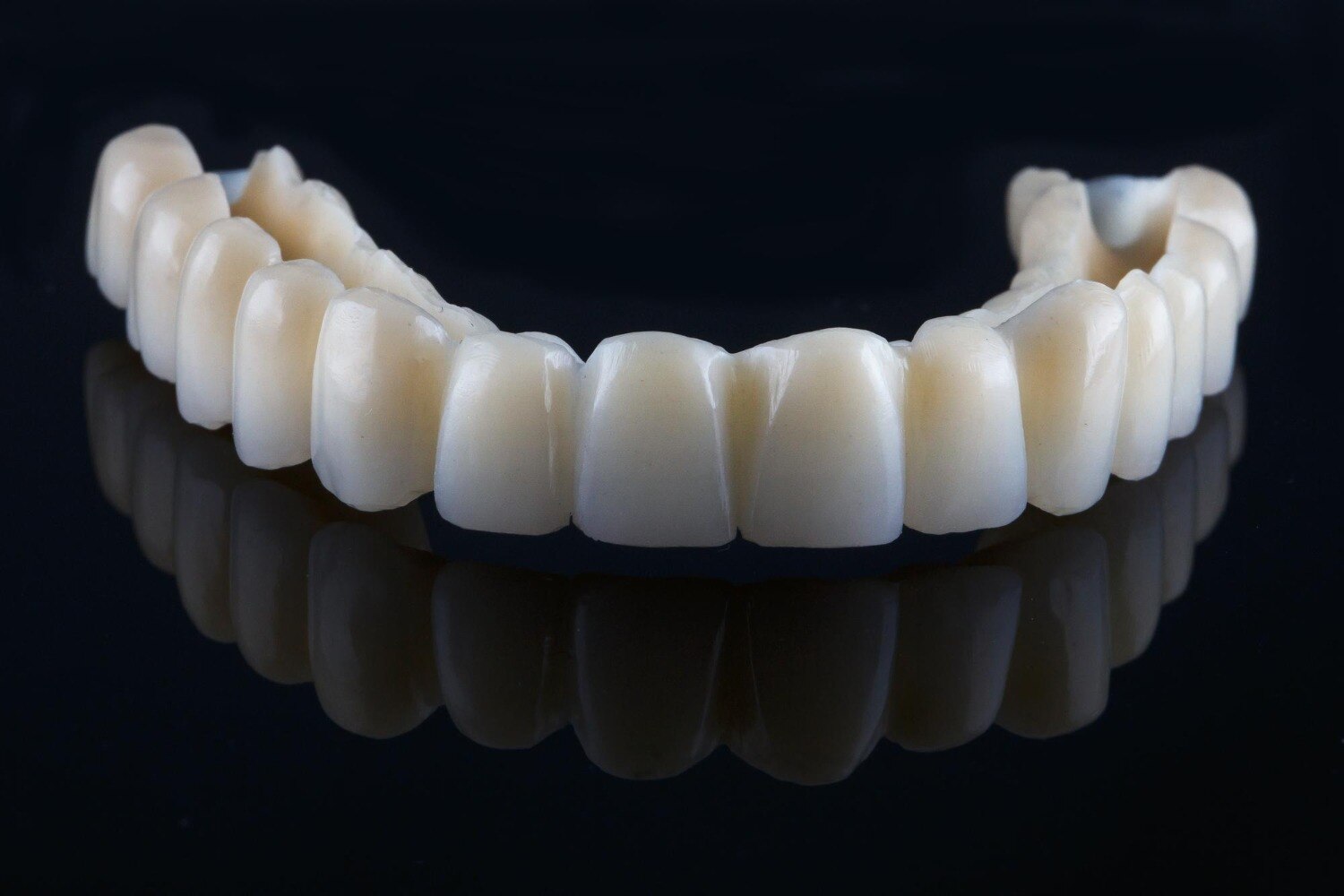
A zirconia crown is a computer-designed, tooth-shaped cap made from zirconium dioxide ceramic. It is cemented or bonded over a prepared natural tooth; it does not replace a missing root and is not a dental implant. Before choosing a tooth crown in Delhi, the dentist must establish that the tooth can support and retain it.
Check these findings before preparation:
- Sound tooth walls remain above the gum, with enough circumferential structure to form a ferrule.
- The gums and supporting bone provide adequate periodontal support.
- Cracks are limited and manageable rather than extending into an unrestorable root fracture.
- Decay is removed and controlled, with the final margin resting on healthy, controllable tooth structure.
- A large filling, weakened cusps, or extensive loss of structure is addressed with cusp coverage, a core buildup, or a post-and-core when retention requires it.
- Enough space exists for the crown without creating an over-contoured restoration or an excessive bite force.
A zirconia crown is unsuitable for an unrestorable fracture, inadequate ferrule, active untreated decay or gum disease, inadequate space, or a tooth that a smaller filling or onlay can protect predictably. It protects weakened structure but does not treat infected pulp.
Root-canal treatment is needed when the pulp is diseased or at risk, not simply because zirconia is being placed.
How zirconia compares with fillings, onlays, veneers, implants, and other crowns
A filling is the better choice when enough sound tooth remains to hold it and resist chewing forces.
Choose an onlay when one or more weakened cusps need coverage but the rest of the tooth can be preserved; choose a veneer mainly for the visible facial surface of a suitable front tooth with adequate enamel, not for full structural protection.
| Option | Best fit | Main trade-off |
|---|---|---|
| Composite filling | Small or moderate defect with strong remaining walls | Preserves most tooth, but wears, stains, or fractures sooner under heavy load |
| Onlay | Weakened cusp or limited posterior damage | Preserves more tooth than a crown, but cannot protect severely cracked or extensively weakened structure |
| Monolithic zirconia | High chewing loads, limited space, bruxism risk | Milled as one piece; strong and less prone to veneering-porcelain chipping, but can look less nuanced |
| Layered zirconia | Visible tooth needing characterization and translucency | Porcelain over a zirconia core looks more lifelike, but the veneering layer can chip |
| Lithium disilicate or another glass-ceramic | Front teeth needing translucency, thin edges, and strong adhesive bonding | More natural optical depth and edge appearance, but generally less load-resistant than high-strength zirconia |
| Porcelain-fused-to-metal crown | Proven full-coverage option where metal strength is acceptable | Metal can darken the edge or reduce translucency |
| Extraction plus implant | Tooth cannot be predictably restored | Removes the tooth but requires surgery, healing, and a replacement crown |
Opaque zirconia can mask a dark tooth or metal post, yet look less lifelike. Higher translucency improves integration but usually reduces strength, so the formulation must match the tooth and bite. Search results for zirconia crowns in Delhi should never be judged by the material name alone.
What must be checked before the dentist prepares the tooth
A tooth must pass seven checks before preparation: it needs controllable decay, healthy support, a sound margin, a stable pulp, manageable cracks, adequate space, and a bite that will not overload the crown.
- Clinical examination identifies remaining walls, fillings, cusps, decay, fracture lines, mobility, and whether a ferrule of sound tooth structure can remain above the gum.
- Periodontal probing measures pocket depths, bleeding, attachment loss, and mobility. Active gum disease must be treated before definitive crown placement.
- X-rays reveal decay between teeth, bone support, root shape, previous root-canal treatment, and infection hidden below the gum.
- Crack assessment uses magnification, bite testing, transillumination, and removal of doubtful restorations. An unrestorable crack makes a crown unsuitable.
- Pulp testing with cold, heat, or electrical testing checks whether the nerve is healthy, inflamed, or non-responsive.
- Occlusal analysis checks bruxism, clenching, a deep bite, contact timing, and worn opposing teeth.
- Interocclusal-space measurement confirms room for the planned zirconia thickness without creating an over-contoured crown.
Over-preparation removes sound tooth and increases pulpal or fracture risk. Under-preparation leaves inadequate material thickness or forces bulky contours. The margin should end on healthy, cleanable tooth structure, not unnecessarily under the gum.
Remove decay before preparation. Root-canal treatment comes first only when the pulp is diseased or at risk; a zirconia dental crown near me does not automatically require it. A buildup, or post-and-core when little coronal tooth remains, may follow. Zirconia can debond or fracture, and poorly adjusted or unpolished surfaces can wear opposing enamel.
What happens from examination to final cementation
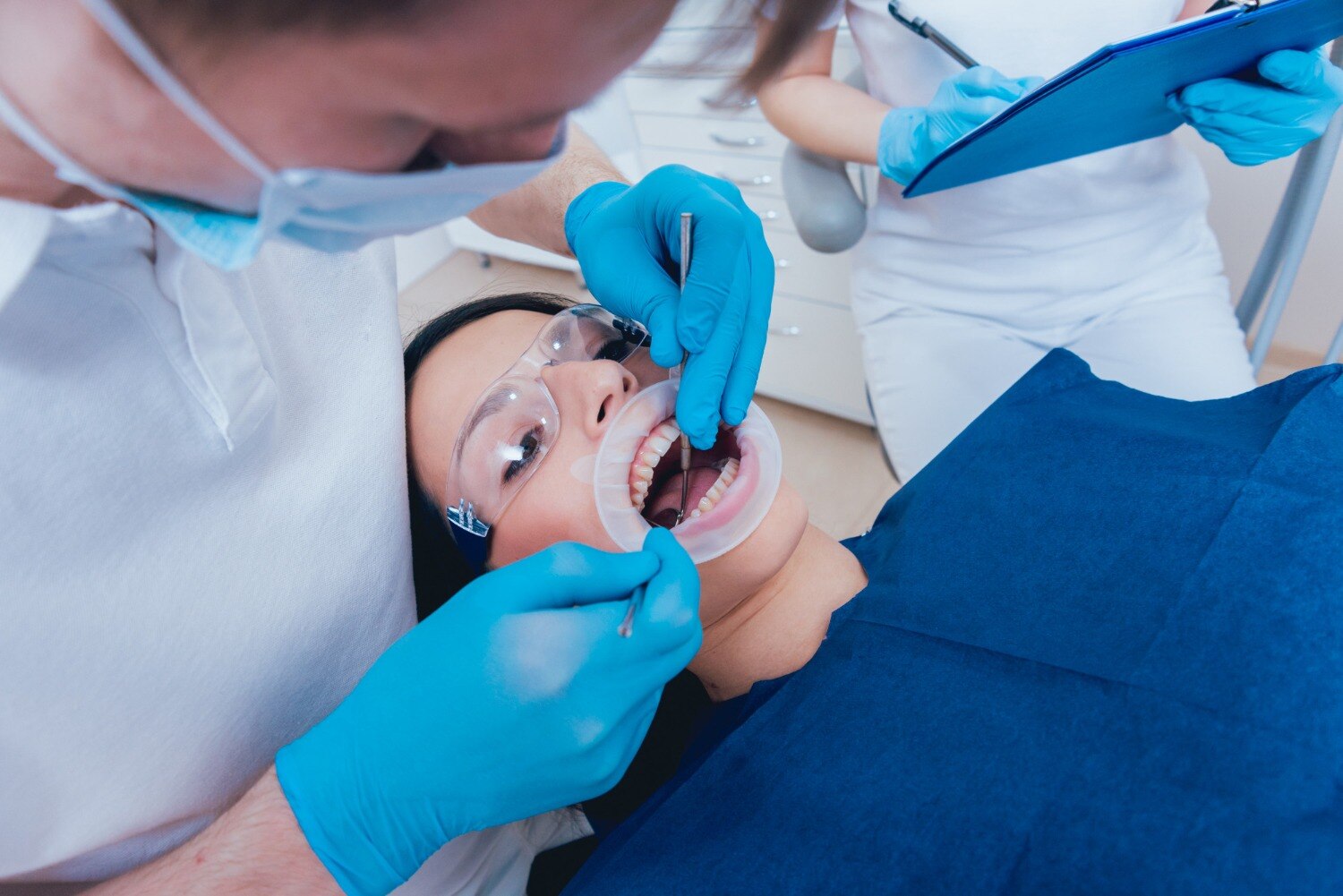
1. Examination starts with the tooth, gums, surrounding bone, and X-rays. The dentist checks cracks, decay, remaining structure, space, and the opposing tooth before planning a tooth crown in Delhi.
2. Report sensitivity, biting pain, night pain, or swelling. Pulp tests and X-rays determine whether the nerve is healthy; decay reaching the pulp requires root-canal treatment, not a crown alone.
3. The dentist removes decay or completes root-canal treatment when indicated. A core buildup restores missing walls; a post-and-core is used only when too little tooth remains to retain the core.
4. The tooth is prepared to create space and a controllable margin. The dentist records shade, bite, and occlusal contacts, then captures a digital intraoral scan or conventional impression.
5. A temporary crown protects the prepared tooth while the laboratory designs, mills, and sinters the zirconia. Avoid sticky foods such as toffee and chewing gum, and hard foods such as ice, nuts, and hard sweets; chew on the opposite side.
6. At try-in, the dentist checks contacts, margins, colour, bite, symptoms, and whether you can clean around the crown. Adjustments happen before cementation.
7. Cement and surface treatment depend on the zirconia formulation and manufacturer’s protocol. Zirconia is not etched with hydrofluoric acid like glass ceramics; air abrasion, an MDP-containing primer, or resin cement may be selected before final cementation or adhesive bonding.
8. Seek review for persistent biting or night pain, swelling, bad taste, looseness, food trapping, or a crown that feels high. These signs can indicate pulpal disease, cement failure, fracture, recurrent decay, or a contact problem.
How to compare zirconia crown providers in Delhi and protect the result
Compare searches for zirconia crowns in Delhi, zirconia dental crown near me, and tooth crown in Delhi by treatment details, not the advertised number. A low quote can omit examination, imaging, temporary protection, buildup, root-canal treatment, laboratory charges, or review visits.
Ask these questions before agreeing:
- Which zirconia formulation and manufacturer will be used?
- Is the crown monolithic or layered, and why does that design suit this tooth and your bite?
- Who will prepare the tooth and fit the crown?
- How will the temporary crown be protected and replaced if it loosens?
- How will contacts and bite be checked at the try-in and after cementation?
- Which follow-up adjustments are included?
- What does the warranty exclude, such as recurrent decay, fracture from bruxism, poor attendance, or accidental damage?
| Design | Main advantage | Risk or trade-off |
|---|---|---|
| Monolithic zirconia | Strong chewing-load performance with no veneering porcelain to chip | Less characterization in some cases |
| Layered zirconia | More nuanced translucency and surface detail | Veneering porcelain can chip |
Protect the result by brushing twice daily with fluoride toothpaste, cleaning between teeth, limiting frequent sugar exposure, and attending dental reviews. Use a dentist-prescribed night guard when bruxism makes it appropriate. A crown has no guaranteed lifetime and cannot stop recurrent decay at its margin.
At AK Dental Superspeciality Clinic CGHS ECHS CBSE DU in Dwarka, discuss the examination, restoration design, bite risks, temporary, and complete treatment sequence before proceeding.
Related services
Zirconia Crowns At AK Dental Multispeciality Clinic, we offer Zirconia Crowns to restore damaged, weakened, discolored, or root canal-treated teeth while providing a... View service → |
All Ceramic Crowns At AK Dental Multispeciality Clinic, we provide All Ceramic Crowns designed to restore damaged, weak, discolored, or heavily treated teeth while... View service → |
Frequently asked questions
What does a zirconia crown cover?
A zirconia crown covers a prepared natural tooth above the gumline. It restores the visible tooth but does not replace a missing root or function as an implant.
When can a damaged tooth support a zirconia crown?
The tooth needs enough sound structure for retention, a stable root, and healthy supporting gums. Decay, cracks, infection, or inadequate remaining tooth structure must be assessed and treated first.
How does a zirconia crown compare with a filling, onlay, veneer, or implant?
A filling or onlay preserves more tooth when damage is limited. A veneer covers mainly the front surface for selected cosmetic changes. A crown covers more of a weakened tooth, while an implant replaces a missing tooth and root rather than covering a natural tooth.
What happens before and during zirconia crown treatment?
The dentist examines the tooth, gums, bite, cracks, decay, and root condition before planning. Treatment then involves preparation, an impression or digital scan, a temporary restoration when needed, trial fitting, bite checks, and final cementation or bonding.
How can you compare zirconia crown providers in Delhi?
Ask how the dentist evaluates tooth support, manages infection or gum disease, records the bite, works with the dental laboratory, handles adjustments, and schedules follow-up. Confirm what happens if the crown feels high, loose, or uncomfortable.
Keywords