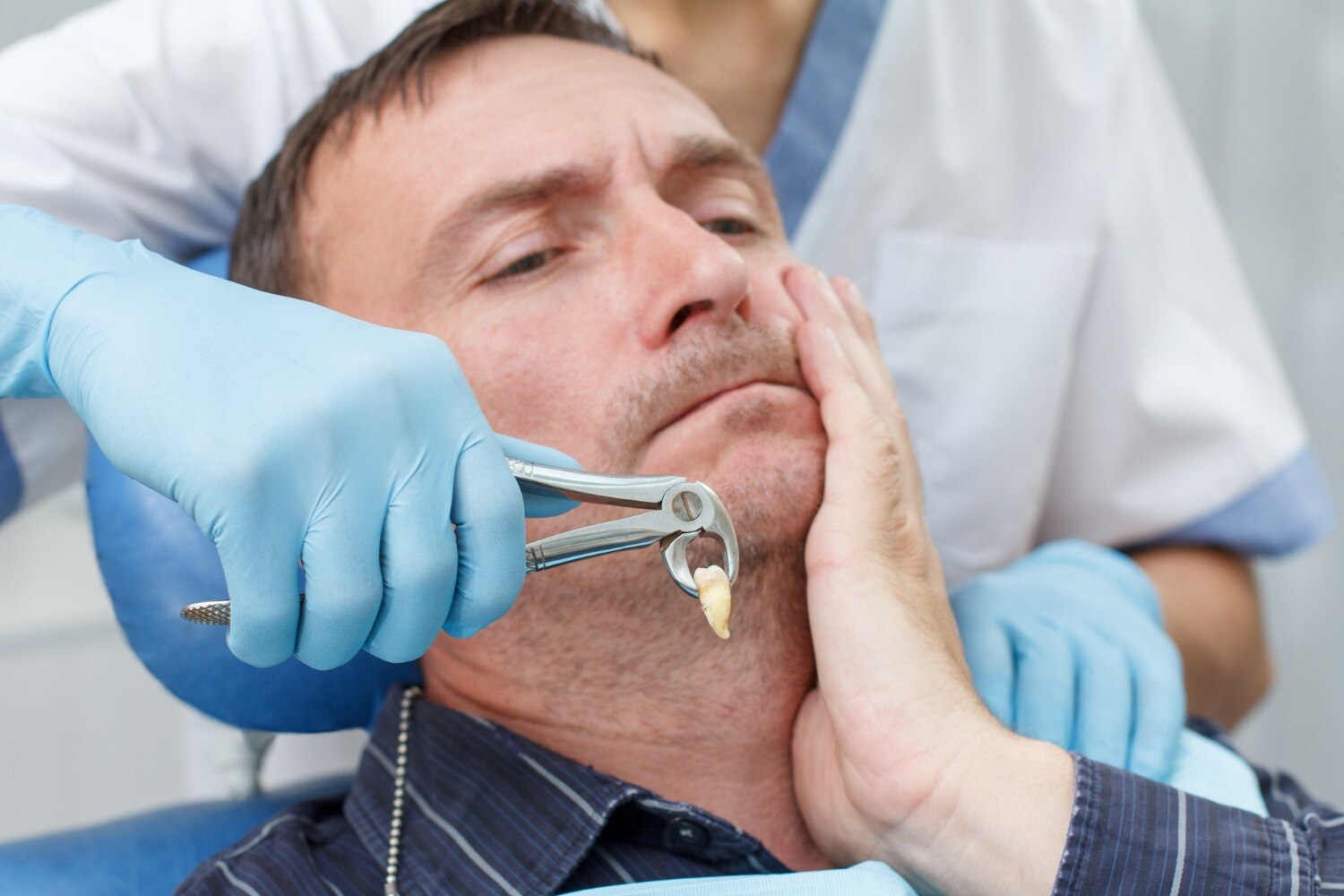
Finding care for a wisdom tooth through ECHS involves two separate checks: whether the facility is currently authorised for the required dental service and whether your tooth needs a routine extraction or oral-surgical treatment. You will be able to verify the clinic, prepare the right records, understand likely approval and payment questions, and recognise when treatment needs prompt review.
Key takeaways
- Verify current ECHS empanelment through an official ECHS channel before booking.
- Removal depends on symptoms, tooth position, decay, infection, and nerve proximity.
- Ask which imaging, documents, approvals, and fees your appointment requires.
- Seek prompt review for worsening pain, swelling, fever, bleeding, or difficulty swallowing.
How to verify an ECHS dental clinic in Delhi before booking
Do not book on the strength of a clinic website, directory listing, or verbal claim. For ECHS wisdom tooth removal in Delhi, confirm the facility’s current empanelment with the relevant ECHS polyclinic or an official ECHS channel before fixing an appointment.
1. Ask whether the facility is currently authorised for dental extraction, oral surgery, and your specific ECHS beneficiary category. Confirm that the authorisation covers the proposed clinic location, not another branch.
2. Ask whether you need a referral from the ECHS polyclinic, prior authorisation, or a package approval before treatment. Clarify whether wisdom tooth removal is included in the applicable ECHS package, especially if the tooth is impacted or requires surgical removal.
3. Ask whether the clinic can submit and process a cashless request. Confirm which services require separate approval: consultation, panoramic radiograph, CBCT, oral surgeon’s fee, local anaesthesia, sedation, sutures, medicines, and review visits.
4. Write down the confirming office or official channel, the staff member’s name if provided, the confirmation date, referral instructions, and any package or approval reference.
An ECHS empanelled dental clinic in Delhi follows an authorised-benefit pathway, unlike ordinary private treatment where you pay the clinic directly. Empanelment and package rules can change, so verify before the appointment and verify again if routine extraction becomes surgical removal. Ask for written confirmation of any patient-payable amount.
When a wisdom tooth should be removed, treated later, or monitored
Removal is more strongly supported when the tooth is causing disease or cannot be predictably preserved:
- Recurrent pericoronitis around a partly erupted tooth
- Decay in the wisdom tooth or adjacent second molar
- Periodontal pockets or bone loss
- Cystic change
- A fracture that cannot be restored
- Root resorption affecting a nearby tooth
- An obstructed eruption path that threatens the second molar
An asymptomatic, disease-free impacted tooth is not automatically removed. The dentist weighs current disease, future risk, restorability, surgical difficulty, your age, and the tooth’s relationship with the inferior alveolar nerve or maxillary sinus. Monitoring with periodic examination and imaging can be safer than preventive surgery when those risks outweigh the expected benefit.
Defer treatment when diabetes is uncontrolled, you have an active systemic illness, mouth opening is inadequate, or a recent medical event makes surgery unsafe. Blood-thinner use requires coordination before the procedure, not self-directed stopping.
For echs wisdom tooth removal in delhi, disclose every factor that can change bleeding, healing, anaesthesia, or drug choice:
- Anticoagulants or antiplatelet drugs
- Diabetes or immunosuppression
- Pregnancy
- Drug allergies
- Previous abnormal bleeding
- Bisphosphonate or denosumab use
Your dental surgeon and prescribing clinician must decide whether medication changes are needed. Never stop a prescribed blood thinner independently.
What examination and imaging determine the type of extraction
A visible, accessible wisdom tooth with enough room for instruments may suit routine forceps extraction; a partially erupted or impacted tooth often needs oral-surgical removal.
| Type of tooth | Examination and imaging findings | Likely pathway |
|---|---|---|
| Visible and accessible | Adequate mouth opening, healthy access, clear crown, and no difficult root or bone relationship | Routine extraction, usually without incision or sutures |
| Partially erupted | Gum flap over the tooth, food trapping, inflammation, or decay; check the adjacent second molar for distal caries or a periodontal pocket | Surgical extraction if access is restricted |
| Impacted | Panoramic imaging shows angulation, depth, roots, surrounding bone, neighbouring teeth, mandibular canal, or sinus relationship | Oral-surgical planning, with imaging-based consent |
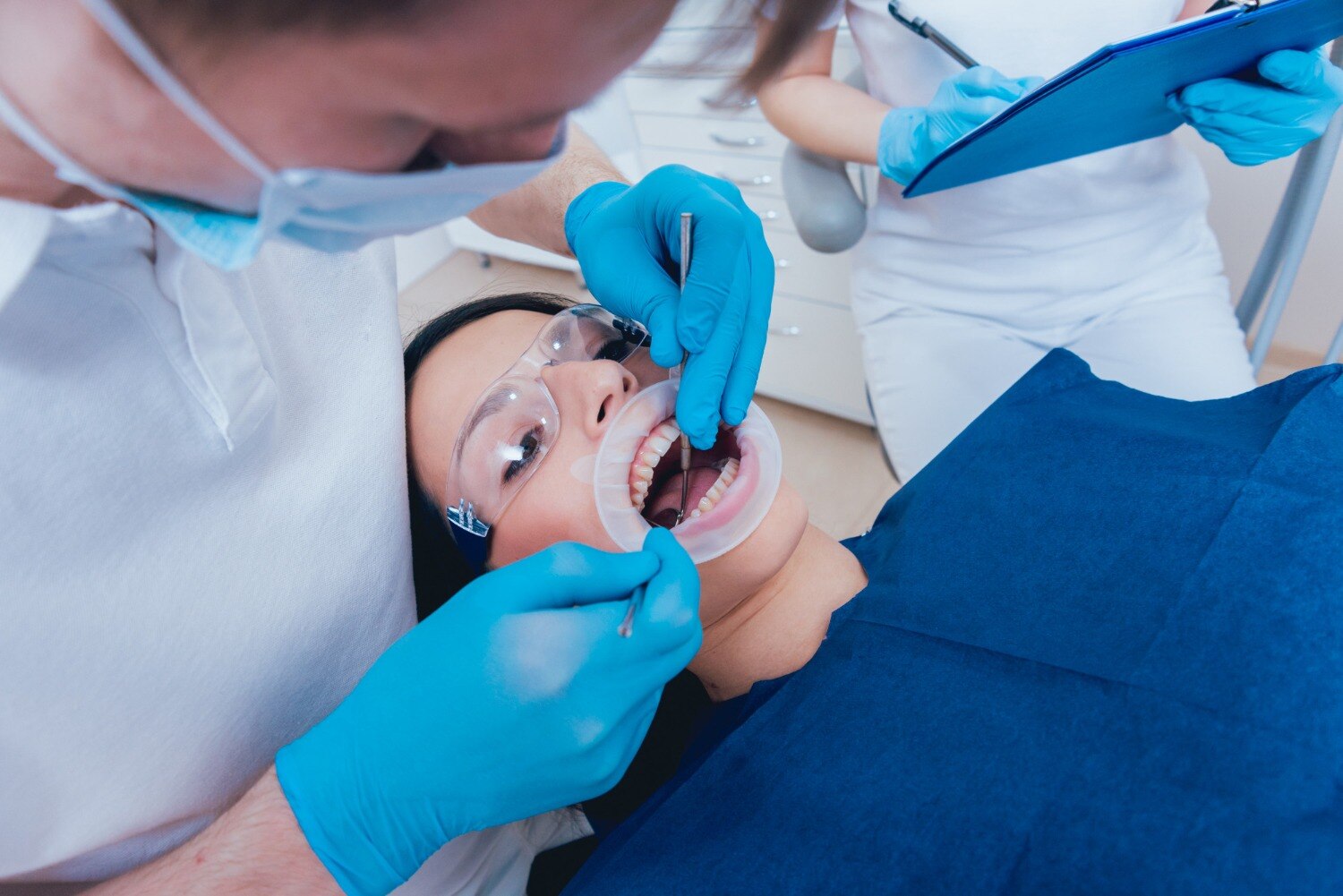
The examination includes mouth opening, gum condition, tooth mobility, adjacent second-molar damage, and signs of infection. A panoramic radiograph is commonly the first scan. It maps position, roots, bone, neighbouring teeth, the mandibular canal, and the maxillary sinus.
CBCT is not automatic. Consider it when the panoramic image cannot resolve a clinically important relationship, especially possible proximity to the inferior alveolar or lingual nerve or another complex structure.
Surgery may involve a gum incision, limited bone removal, tooth sectioning, removal of pieces, and sutures, followed by a longer recovery. Consent must address tooth-specific risk of altered sensation in the lower lip, chin, or tongue.
Coronectomy removes the crown while retaining high-risk mandibular roots near the inferior alveolar nerve. It is unsuitable when roots are infected, mobile, or pathological, and retained roots need monitoring. Ask an echs dentist for tooth extraction in delhi which pathway fits your scan.
What to confirm with the ECHS clinic before the appointment
Before booking an ECHS dentist for tooth extraction in Delhi, confirm that the facility is currently authorised for the exact service: routine extraction, surgical wisdom-tooth removal, or oral-surgical care. Check with the ECHS polyclinic or current official ECHS channels, not only a clinic website or directory listing.
1. Carry the ECHS card, beneficiary details, government photo ID, referral or prior authorisation if required, previous panoramic radiographs or other scans, prescriptions, medical records, and a complete medicine list.
2. Ask whether ECHS registration is available at the clinic, whether the appointment includes a dental surgeon or oral surgeon, and whether your beneficiary category is accepted. Confirm appointment availability and whether wisdom-tooth removal falls within the applicable package.
3. Get the payment route in writing: cashless treatment, reimbursement, or patient payment followed by a claim. Ask which items require ECHS approval before treatment.
4. Request an itemised estimate covering consultation, panoramic radiograph, CBCT, surgeon’s fee, local anaesthesia, sedation or general anaesthesia, sutures, medicines, and review visits. Empanelment does not prove that every investigation, material, optional sedation service, or upgraded facility is covered.
You can contact AK Dental Superspeciality Clinic CGHS ECHS CBSE DU to verify its current authorisation, accepted beneficiary categories, referral process, package approval, appointment availability, and patient-payable items. Confirm its status through official ECHS channels before attending.
Related services
Wisdom Tooth Extraction At AK Dental Multispeciality Clinic, we provide safe and effective Wisdom Tooth Extraction for patients experiencing pain, swelling, infection, or... View service → |
Painless Extraction At AK Dental Multispeciality Clinic, we provide gentle and painless tooth extractions using modern techniques and effective local anesthesia. View service → |
What recovery problems require a prompt dental review
1. Protect the clot on the first day: do not rinse vigorously, spit forcefully, smoke, or probe the socket. Take the prescribed analgesic plan, brush gently around the area, and postpone heavy exercise. These actions reduce bleeding and clot disruption.
2. Expect pain and swelling to increase during the first two or three days after removal, then gradually improve. Keep scheduled review instructions, especially after surgical extraction involving sutures or mandibular bone.
3. Contact the dentist promptly if pain worsens after initial improvement, or if you develop a foul taste or odour, fever, progressive facial swelling, persistent numbness or tingling, or difficulty swallowing. Difficulty breathing requires urgent emergency care.
4. Marked pain several days after extraction can indicate dry socket, particularly after mandibular surgical removal or smoking. Clot loss or breakdown exposes the socket; treatment usually involves clinical irrigation, a medicated dressing, and analgesia rather than routine antibiotics.
5. Do not request antibiotics as a substitute for removing an obstructed wisdom tooth or treating trapped debris around a partly erupted tooth. Antibiotics are reserved for spreading or systemic infection, severe local infection, or delayed drainage or definitive treatment.
6. If symptoms persist or worsen, provide the extraction date, tooth removed, medicines taken, temperature, swelling pattern, and any altered sensation when arranging review.
Frequently asked questions
How can you verify an ECHS dental clinic in Delhi?
Confirm the facility’s current empanelment with the relevant ECHS polyclinic or an official ECHS channel before booking. Do not rely only on a website, directory listing, or verbal claim.
When should a wisdom tooth be removed instead of monitored?
Removal is considered when the tooth causes pain, repeated infection, decay, gum disease, damage to a neighbouring tooth, or another clear clinical problem. A symptom-free tooth can be monitored when examination and imaging show no immediate concern.
What determines the type of wisdom tooth extraction?
The dentist uses an examination and dental imaging to assess eruption, angulation, root shape, surrounding bone, infection, and the tooth’s relationship to nearby nerves. These findings determine whether a straightforward or surgical extraction is appropriate.
What should you confirm before an ECHS wisdom tooth appointment?
Confirm current empanelment, required ECHS documents or referral, prior approval requirements, the imaging needed, the clinician’s appointment availability, and any charges that could apply.
Which recovery problems need prompt dental review?
Contact the dental clinic promptly for worsening pain or swelling, fever, persistent bleeding, pus, a bad taste with increasing symptoms, or difficulty opening the mouth, swallowing, or breathing.
Related service
Impacted Teeth Extraction Safe, Comfortable & Expert Surgical Tooth Removal An impacted tooth is a tooth that does not erupt properly through the gums due to lack of space,... View service → |
Keywords