A root canal appointment starts with proving which tooth is causing the problem, not with drilling immediately. By following the examination, anaesthesia, cleaning, sealing and restoration stages, you can understand what you will feel, why visits vary, and which questions to ask before treatment.
Key takeaways
- Diagnosis compares pain triggers and tests several teeth.
- Local anaesthesia numbs the tooth and surrounding gum before treatment.
- The dentist cleans, fills and temporarily seals the canals.
- Arrange a permanent crown or restoration after the canal heals.
How the dentist confirms which tooth needs treatment
Diagnosis comes before drilling because a decayed-looking tooth is not automatically the source of pain. At the first appointment, the dentist records whether pain is triggered by heat, cold, biting or lying down, and whether it lingers, radiates or worsens. Pain can travel to neighbouring teeth, so several teeth are compared.
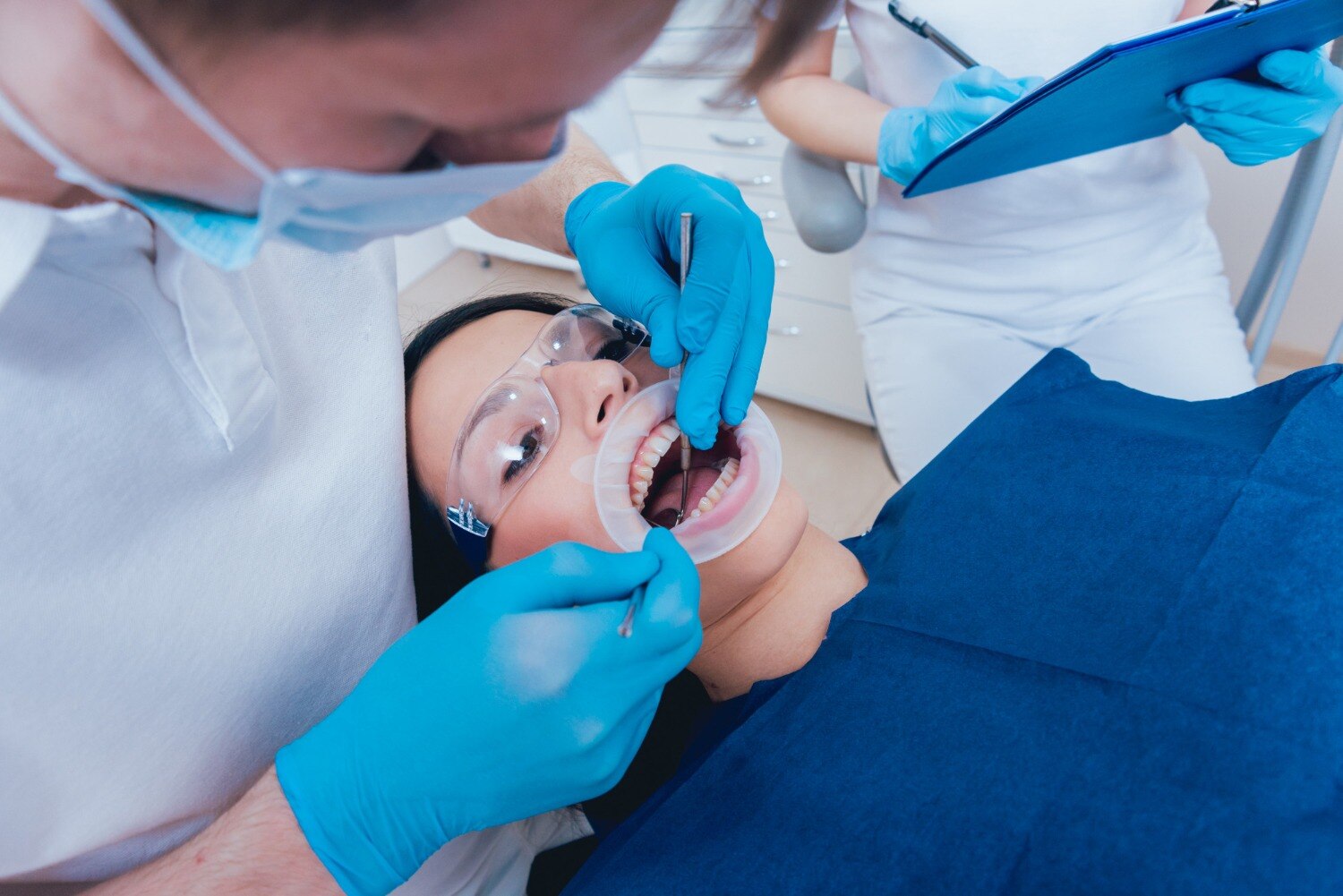
The examination includes looking for decay, cracks, loose fillings, swelling and gum changes. The dentist taps teeth (percussion), asks you to bite on a small instrument, and performs pulp-sensitivity tests with cold, heat or electrical stimulation.
Dental X-rays taken before, during or after treatment can show roots, bone changes, hidden anatomy and the progress of cleaning. A cavity on an X-ray alone does not prove that root canal treatment is necessary.
| Finding | What it helps establish | What it cannot establish alone |
|---|---|---|
| Pain response | Whether the pulp reacts abnormally | The exact tooth when pain radiates |
| Percussion or bite pain | Irritation around a root or crack | Whether the pulp is irreversibly damaged |
| Dental X-ray | Root shape, bone changes and decay depth | A definite need for root canal treatment from decay alone |
Electronic apex-location methods and working-length radiographs help plan how far each canal should be cleaned and filled. CBCT provides three-dimensional images and is selected when ordinary radiographs and clinical findings leave an important planning question unanswered; it is not automatic.
Infection, drainage, curved or narrow canals, calcification, retreatment and restorability can change the appointment schedule. These root canal treatment steps in Delhi begin urgently if you have facial swelling, fever, difficulty swallowing, difficulty breathing or rapidly worsening pain.
What painless treatment feels like under local anaesthesia
The comfort protocol behind painless rct in delhi starts with local anaesthesia, followed by numbness testing before treatment begins. The dentist checks your response rather than assuming the injection has worked.
You may feel pressure, vibration, movement, suction, water and the effort of keeping your mouth open. Sharp pain is different: report it immediately so the dentist can pause, add anaesthesia or use a supplemental technique.
Severe inflammation can make profound numbness harder to achieve. That does not mean you must tolerate pain; it means the dentist may adjust the anaesthetic plan or stage treatment.
| Option | What it means | What you may notice |
|---|---|---|
| Local anaesthesia | Numbs the tooth and surrounding tissues | Pressure without sharp pain |
| Sedation | A separate option to reduce anxiety or awareness | Must be discussed and arranged separately |
A rubber dam is a small sheet held around the tooth, often with a clamp. It keeps saliva and oral bacteria away, prevents instruments or irrigants entering your mouth, and creates a dry operating field. You may notice pressure from the clamp and sheet, but you can breathe normally through your nose.
Agree on a hand signal for stopping and expect planned pauses. Before anaesthesia, disclose pregnancy, diabetes, allergies, blood thinners, other medicines and relevant medical conditions. Do not conceal a previous reaction or say nothing because the procedure is described as painless.
The cleaning, filling and temporary-seal sequence
After the tooth is numb and isolated with a rubber dam, the dentist makes a small access opening through the tooth and locates its canals. The practical sequence is:
- Inflamed or infected pulp is removed, and each canal’s working length is measured with an electronic apex locator and radiographs.
- Small hand or powered files clean and shape the canal walls. Irrigating solutions dissolve tissue and reduce microorganisms where files cannot reach.
- Suction, rinsing and occasional pauses keep the field controlled and give your jaw a break.
- The canals are dried, then commonly filled with gutta-percha and sealing cement.
- The access opening is closed with a temporary or permanent coronal filling. The seal above the canals matters; gutta-percha alone does not protect the tooth from saliva leakage.
One appointment is not automatically better than several. The plan depends on what the dentist finds.
| Option | What it means | When it applies |
|---|---|---|
| Single visit | Cleaning, shaping and filling are completed in one appointment | Suitable when safe treatment can be completed without drainage or medication |
| Multiple visits | The tooth is medicated or temporarily sealed before final filling | Drainage, active infection, curved or calcified canals, retreatment or limited appointment time |
Between visits, the temporary filling blocks saliva and food, but it is not final protection. Avoid chewing hard or sticky food there. No Delhi clinic should promise a universal duration or visit count before examining your tooth; “painless root canal treatment in Delhi” describes the anaesthesia and process, not a guaranteed schedule.
What happens after the canal is sealed
Feeling better after the canal is sealed does not mean the tooth is immediately strong or fully finished. Mild tenderness when biting can last a few days because tissues around the root were inflamed before treatment or disturbed during it.
Follow the treating dentist’s medicine instructions, which depend on your medical history; do not self-prescribe painkillers or antibiotics.
Contact the dentist promptly for increasing pain, swelling, fever, a bite that feels higher or worsening, or pain not controlled by prescribed medicine. Facial swelling, difficulty swallowing or difficulty breathing needs urgent care. Antibiotics do not replace canal cleaning.
They are considered when infection causes systemic symptoms, swelling is spreading, or drainage cannot be achieved promptly.
The definitive restoration depends on the tooth and the damage left after treatment:
| Option | What it means | When it applies |
|---|---|---|
| Large filling | Seals the access opening while preserving remaining tooth structure | Enough sound walls remain and biting forces are manageable |
| Crown | Covers and reinforces the tooth against leakage and fracture | Often considered for a heavily damaged back tooth under strong biting forces |
Tooth position, remaining walls, leakage risk and fracture risk guide the decision, so not every root-treated tooth needs a crown or the same material. While a temporary filling remains, avoid hard or sticky food on that side, attend every follow-up, and complete the definitive restoration.
An unrestorable tooth, vertical root fracture, inadequate support or inability to maintain it can lead to referral, extraction or another plan. Retreatment or apicoectomy addresses selected persistent problems, not routine first treatment.
How to plan treatment with a Delhi dental provider
Compare providers by the questions they answer, not by claims such as “best” or “most advanced.” A root canal dentist in Delhi should explain the evidence behind the diagnosis and the proposed sequence before you agree to treatment.
| Ask about | What a clear answer covers | Why it matters |
|---|---|---|
| Who performs it | Dentist’s name, role and experience with routine treatment, retreatment and difficult anatomy | You know who is accountable |
| Diagnosis and imaging | History, examination, pulp tests, percussion or bite tests, dental X-rays, and CBCT only for an unanswered planning question | A cavity on an X-ray alone does not prove the tooth needs treatment |
| Canal planning | Electronic apex locator, working-length radiographs, and the plan for calcified or curved canals | Incorrect length can leave infection or irritate tissues |
| Isolation and visits | Rubber-dam use and the number of visits suggested by drainage, infection, anatomy or retreatment | Staging can be safer than forcing one appointment |
| What is included | Temporary filling, final filling or crown, timing of the final restoration, and extra steps if retreatment is needed | A temporary seal is not final protection |
Carry previous X-rays, your medicine list, allergy details and medical history. Ask how records and X-rays will be shared, and whom to contact after hours.
After anaesthesia, arrange help if you feel unsteady; do not bite your cheek or tongue while numb. Allow time for follow-ups and jaw fatigue.
At AK Dental Superspeciality Clinic CGHS ECHS CBSE DU in Dwarka, ask who will treat you, what the examination shows, and whether CGHS, ECHS, CBSE or another scheme applies; confirm eligibility and approval directly. A companion helps with anxiety or separately arranged sedation, but sedation is not local anaesthesia.
Related service
Painless Root Canal Treatment (RCT) Painless Root Canal Treatment (RCT) PAINLESS ROOT CANAL TREATMENT (RCT) Save Your Natural Tooth. Smile Without Fear! Advanced Dental Care for a Comfortable Root Canal Experience... View service → |
Frequently asked questions
How does a dentist confirm which tooth needs root canal treatment?
The dentist records whether pain follows heat, cold, biting or lying down, then checks how long it lasts and whether it radiates. Several teeth are compared because pain can travel to a neighbouring tooth. Examination and dental X-rays help identify the affected tooth and the condition of its roots.
What does painless root canal treatment feel like under local anaesthesia?
Local anaesthesia numbs the tooth, gum and nearby tissues before treatment begins. You should feel pressure, vibration and the movement of dental instruments rather than sharp pain. Tell the dentist immediately if you feel pain so more anaesthetic can be given.
What are the main root canal treatment steps in Delhi?
After anaesthesia, the dentist opens the tooth, removes infected or inflamed pulp, cleans and shapes the root canals, and fills them with a sealing material. The tooth is then closed with a temporary seal when a permanent restoration is planned later.
What happens after the root canal is sealed?
Your tooth can feel tender when biting for a few days. Follow the dentist's instructions, avoid chewing hard foods on the treated tooth until it is restored, and return for the permanent filling or crown when advised. Contact the dental provider if swelling, severe pain or a loose temporary seal develops.
Keywords