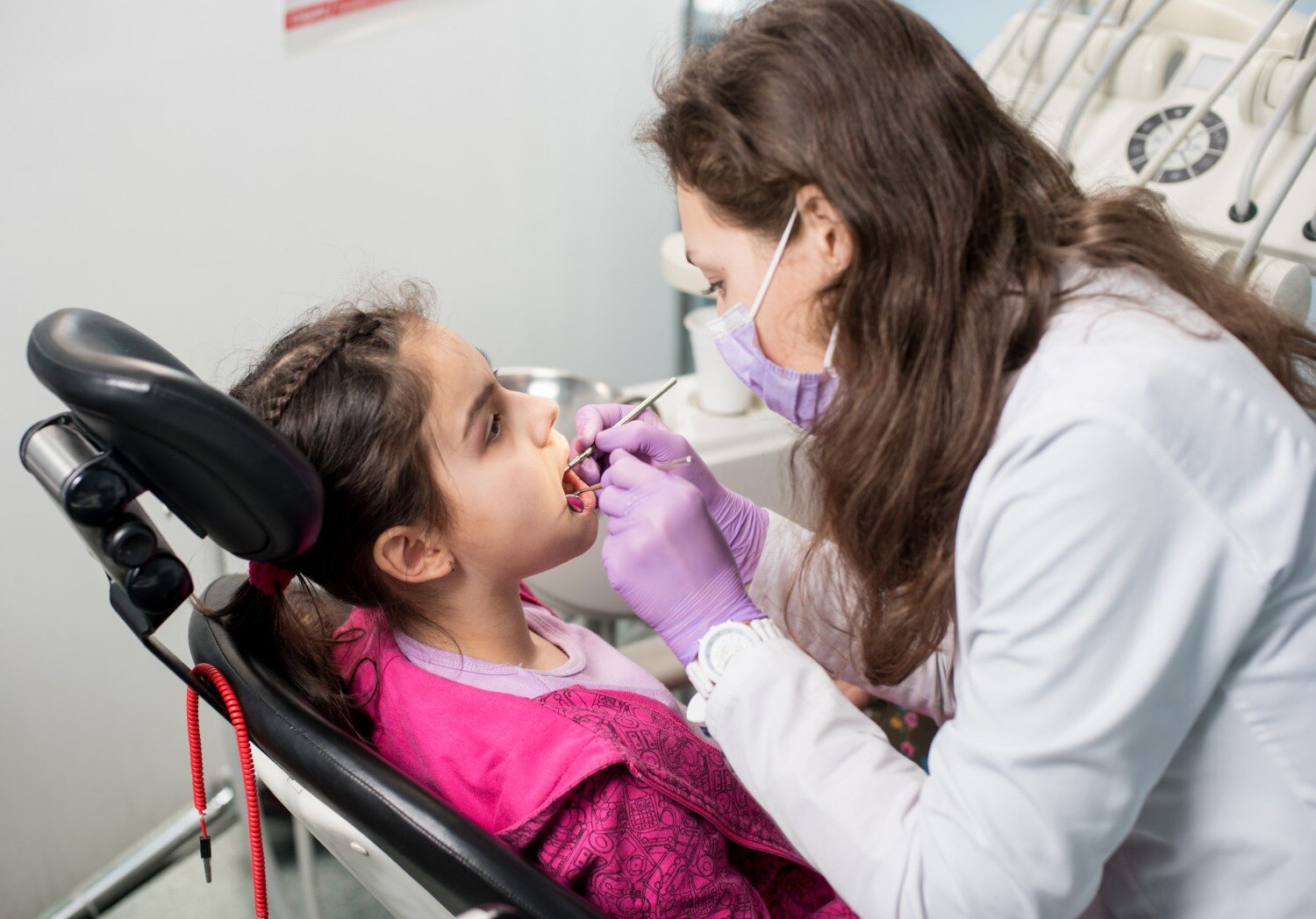
A child’s dental appointment involves more than looking for cavities: the team reviews health, development, habits, bite, risk factors and the family’s treatment pathway. By the end, parents should know what to bring, what happens in the chair, when X-rays or urgent care are appropriate, and which CAPF payment questions to settle before treatment begins.
Key takeaways
- Verify clinic CAPF status and your child’s dependent eligibility before booking.
- Bring identification, dependent documents, medical history and current medicines.
- Ask why an X-ray is needed and which type will be taken.
- Confirm covered procedures, approvals, referrals and follow-up instructions in writing.
Before the appointment: prepare your child and verify CAPF access
Before booking, verify three separate facts: the dentist’s paediatric experience, the clinic’s CAPF empanelment or reimbursement status, and your child’s dependent eligibility. “Kids dentist CAPF in Delhi” describes a search need, not a government category, while “CAPF dental clinic in Delhi” does not by itself confirm that your procedure will be paid for.
1. Call the clinic and ask who will examine your child, whether a paediatric dentist is available, and how urgent cases are handled.
2. Give the child’s force, service status, dependent details and scheme information. Ask whether a referral, prior authorisation, referral letter or identity documents are required.
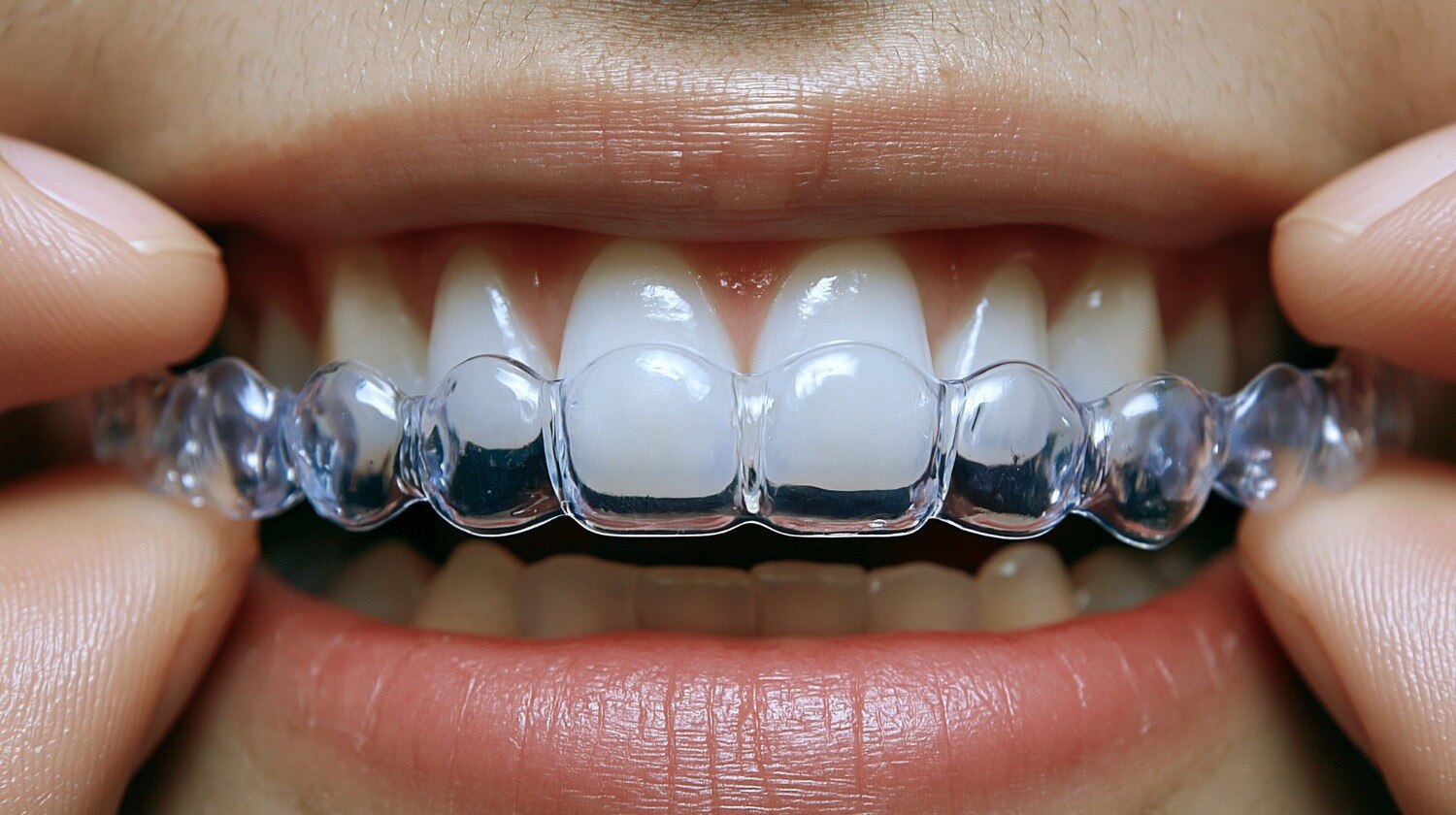
3. Name the planned service before consenting: examination, filling, crown, extraction, orthodontic appliance, sedation or another procedure. Confirm coverage, approval steps, exclusions and reimbursement documents.
4. Bring the child’s health and dental records, medication list, allergy information, previous X-rays and any referral. Tell the clinic about pain, swelling, fever, trauma or a broken filling before arrival.
5. Explain the visit in simple terms: the dentist will look, count and discuss the teeth. Avoid promising that treatment will never hurt, and let your child bring a familiar comfort item.
Ask how X-rays are justified; a first visit does not automatically require them. After examination, request a prevention and recall plan based on caries risk, enamel defects, plaque control and sugar exposure. If a primary molar may need extraction, ask whether a space maintainer and follow-up are necessary.
What happens during a child’s first dental visit
The first visit starts at reception, where the clinic records the child’s name, age, contact details, CAPF documentation, referral or authorisation papers, and the reason for attendance. Bring previous dental records and medication details if available.
The appointment usually follows this order:
- The dentist takes a medical history, including allergies, medicines, illnesses, birth history, developmental concerns, and previous hospital treatment.
- The dental history covers toothache, trauma, earlier fillings, brushing with fluoride toothpaste, diet, bottle or breastfeeding habits, thumb-sucking, and the child’s last dental visit.
- The parent or legal guardian gives consent for examination and any proposed procedure. The dentist explains behaviour-management methods before using them.
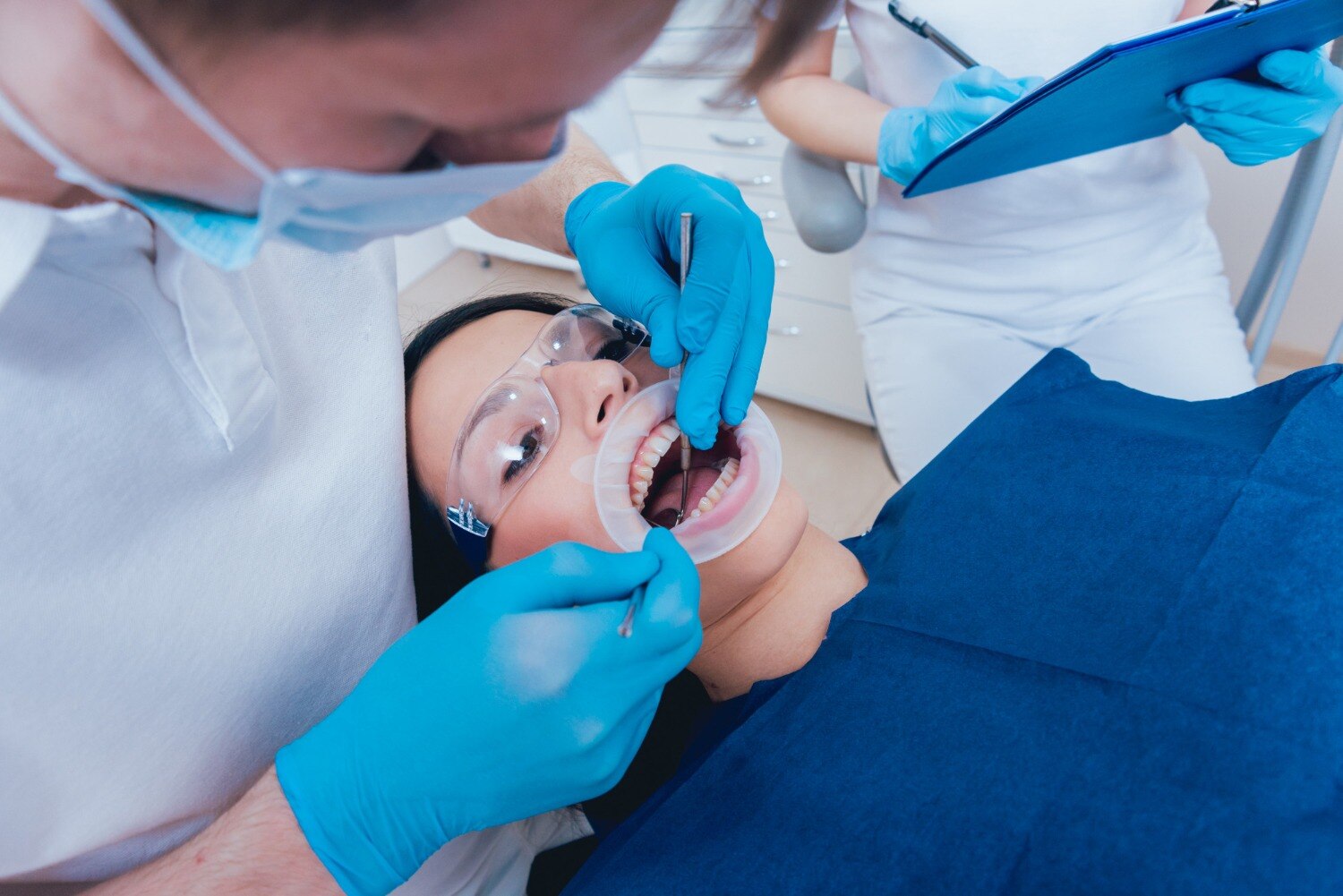
- The child dentist for CAPF families examines the teeth, gums, tongue, cheeks, palate, jaw movement, eruption pattern, bite, plaque, cavities, enamel defects, and signs of infection.
- The dentist may clean visible plaque or demonstrate brushing. A routine first visit does not automatically include an X-ray; age, symptoms, clinical findings, caries risk, and previous films guide that decision.
- The dentist records findings, gives a diagnosis or risk assessment, and explains prevention, treatment choices, likely timing, and follow-up in language both parent and child can understand.
A calm child may complete the examination in the dental chair; a fearful child may need gradual familiarisation instead. Ask who will examine your child, what happens if cooperation is limited, and which CAPF documents the clinic will retain for referral or reimbursement.
What the dentist checks, and when X-rays are justified
A paediatric dentist assesses your child’s teeth, gums, bite, eruption pattern and oral habits—not just visible holes. The examination may include:
- Plaque levels and brushing effectiveness
- Cavities, fillings and early areas of decay
- Enamel defects, staining and tooth sensitivity
- Gum health and signs of infection
- Missing, loose or delayed-erupting teeth
- Crowding, crossbite, overbite and jaw development
- Thumb-sucking, mouth breathing or other habits affecting growth
The dentist also considers caries risk. A child with active decay, enamel defects, frequent sugary drinks, poor plaque control or extensive previous treatment needs closer recall than a low-risk child. This prevention plan is a central part of pediatric dental care in Delhi, not an optional extra after treatment.
Dental X-rays are not automatic at every visit because they expose a child to radiation without adding useful information when the examination is clear. In kids dentistry in Delhi, the decision is based on:
- The child’s age and stage of tooth development
- Pain, swelling or another specific symptom
- Areas the dentist cannot inspect directly
- Previous radiographs and the time since they were taken
- Caries risk and suspected decay between teeth
A first visit alone is not a reason to take films. The dentist explains which image is needed, what question it will answer and how the result could change treatment. If a primary molar is lost early, imaging and examination also help decide whether a space maintainer is appropriate.
How routine reviews differ from urgent visits and treatment
A routine review checks for problems before they hurt; an urgent visit starts by controlling risk, pain and infection. In kids dentistry in delhi, facial swelling, fever, rapidly worsening pain, difficulty swallowing, difficulty breathing, inability to open the mouth normally, or swelling near the eye requires urgent dental or medical assessment.
Breathing or swallowing difficulty is an emergency.
| Visit type | What happens first | What may follow |
|---|---|---|
| Routine review | History, growth and bite checks, examination of teeth and gums, prevention advice | Cleaning, recall planning, or X-rays only when age, symptoms, findings, previous films or caries risk justify them |
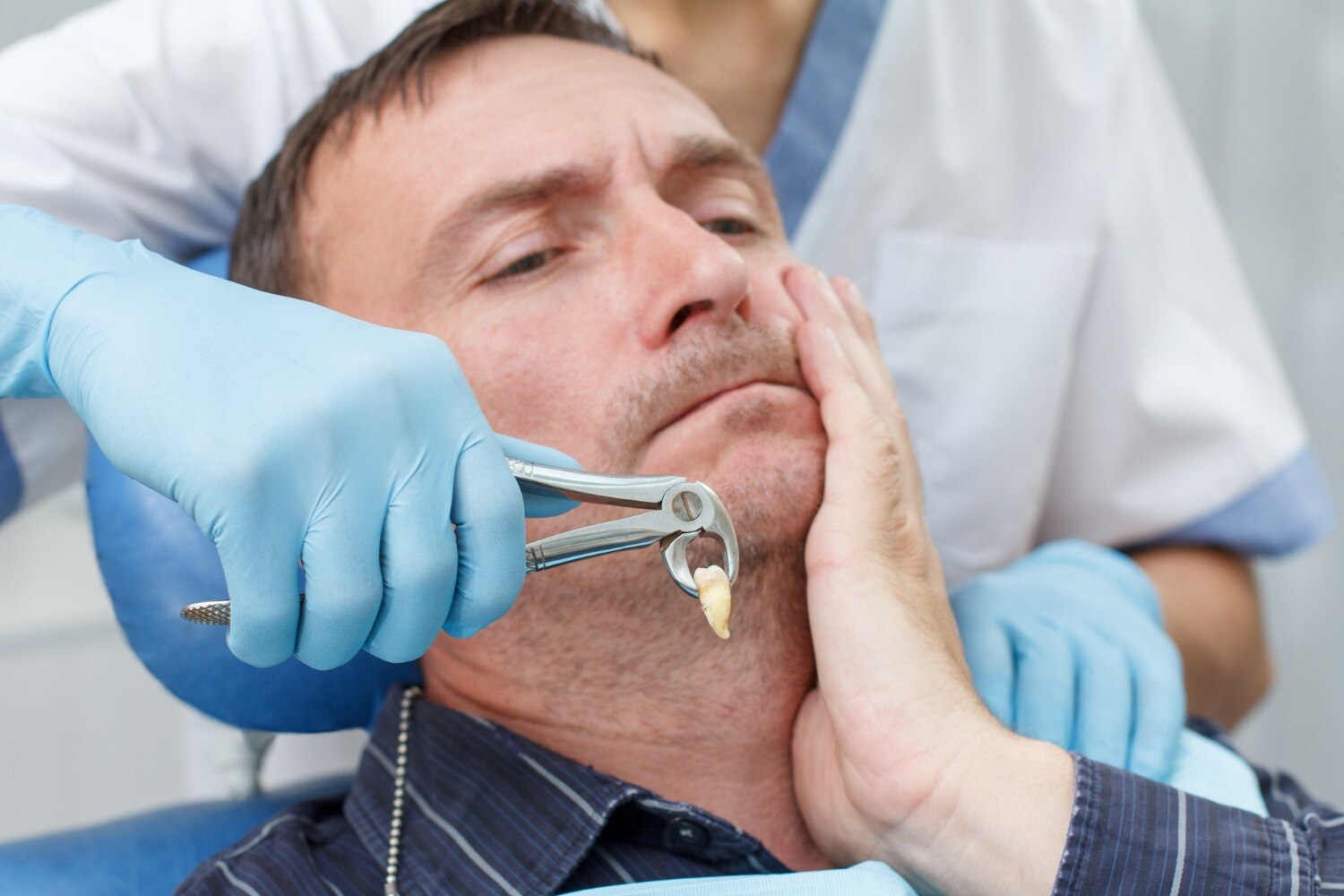
| Pain or broken filling | The dentist locates the source and checks for decay, pulp involvement, looseness or infection | Temporary or permanent repair, pulp treatment, extraction, pain-control advice, or referral |
| Swelling or fever | The team assesses infection, temperature-related illness and airway risk | Same-day treatment, drainage or medication when indicated, and medical referral if infection is spreading |
| Trauma | The dentist checks tooth displacement, fractures, gum injury and jaw movement | X-rays when needed, repositioning or stabilisation, repair, follow-up checks, or referral |
A painful child may need a focused examination rather than a full preventive session. A broken filling is not automatically replaced immediately: the dentist first checks why it failed and whether the tooth can still support a filling.
For CAPF families, bring service and dependent-eligibility details even during an urgent visit. Ask:
- What treatment is needed today?
- Is a referral or prior authorisation required?
- When must the child return for review?
What to confirm about covered treatment and follow-up
Do not consent on the strength of a clinic label. “CAPF dental clinic in Delhi” does not by itself confirm payment eligibility; coverage can depend on your force, dependent status, scheme, empanelled facility, location and procedure.
Ask the clinic and your CAPF office or portal:
- Is the child registered as an eligible dependent, and what identity or dependency documents are required?
- Does this facility accept the child’s specific CAPF arrangement, or must you claim reimbursement?
- Is a referral or prior authorisation required? Who obtains it, and what approval number should you keep?
- Is the proposed treatment covered in full, partly covered or excluded?
- Will you receive a written estimate showing covered items, exclusions and any parent payment?
- Who will examine the child: a child dentist for CAPF families, or another dentist? What behaviour-management and X-ray decisions will be discussed?
- What follow-up visits, medicines, appliance checks or emergency reviews are included?
| Planned item | Confirm before treatment | Follow-up question |
|---|---|---|
| Filling or crown | Covered material, approval and replacement limits | When is the review, and what happens if it fails? |
| Orthodontic appliance | Eligibility, authorisation and appliance costs | Are adjustments and repairs covered? |
| Extraction or space maintainer | Coverage for both procedures and the appliance | Who checks cleaning, fit and eruption progress? |
| Sedation or implant-related treatment | Whether it is excluded or needs separate approval | Who pays for monitoring and later reviews? |
For pediatric dental care in Delhi, ask for a risk-based recall interval, not a generic “six-month check.” At AK Dental Superspeciality Clinic CGHS ECHS CBSE DU, request the treatment plan and approval requirements in writing before signing consent.
Related service
Kids Dentistry Team of Pediatric dentists, kids dentists at AK Dental Multispeciality Clinic. View service → |
Frequently asked questions
What should CAPF families verify before booking a child’s dental appointment?
Verify the dentist’s paediatric experience, the clinic’s CAPF empanelment or reimbursement status, and your child’s dependent eligibility.
What happens during a child’s first dental visit?
The dentist reviews your child’s history, examines the teeth and gums, explains findings in age-appropriate language, and discusses treatment or preventive care.
When are dental X-rays justified for children?
An X-ray is justified when the dentist needs information that a visual examination cannot provide, such as hidden decay, developing teeth or an injury.
How do routine dental reviews differ from urgent visits?
Routine reviews focus on prevention, growth and early problems; urgent visits address pain, swelling, trauma, infection or damage requiring prompt assessment.
What should families confirm about covered treatment and follow-up?
Confirm whether the proposed procedure is covered, whether approval or referral is required, which documents to submit, and when the child should return.
Keywords