A natural-looking result depends on more than choosing a bright shade: the dentist must match the veneer to your tooth proportions, facial features, bite and neighbouring teeth. By comparing materials, checking whether preparation is appropriate and planning the final shade carefully, you can avoid bulky contours, an opaque smile and an irreversible treatment that does not solve the real problem.
Key takeaways
- Treat decay, gum disease, infection and bite problems before veneers.
- Choose porcelain for stain resistance; choose composite for easier repair and lower treatment time.
- Review trial shapes, shade samples and the planned number of veneers before bonding.
- Compare provider experience, material details, aftercare and written treatment costs.
Are veneers suitable for the concern you want to fix?
Veneers suit selected front-tooth appearance concerns, but the first decision is whether the problem sits on the visible surface or requires treatment of the tooth itself. A veneer is a thin covering bonded to the front, so it cannot treat decay, active gum disease, infection or a bite problem.
They can improve:
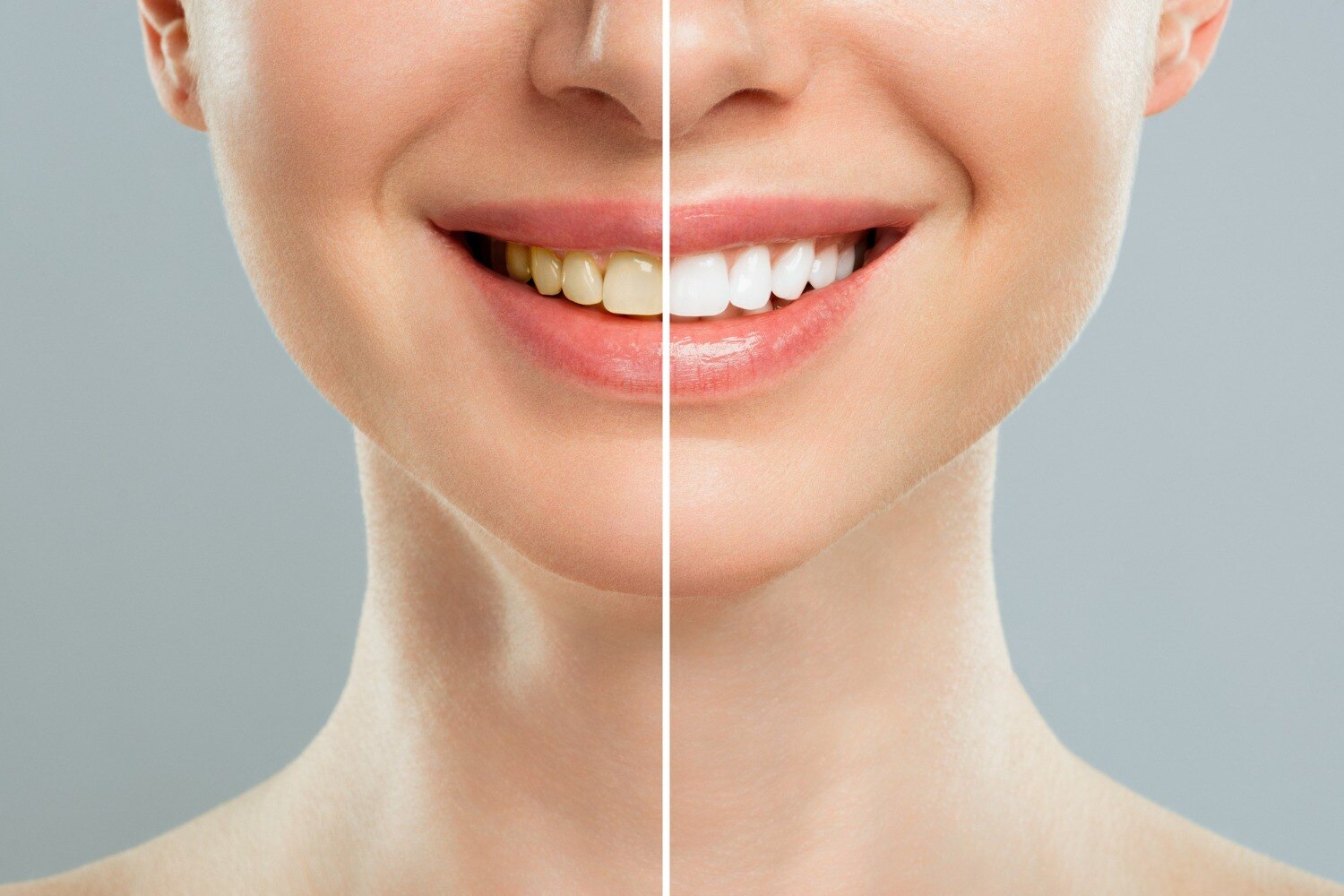
- Discolouration that whitening has not corrected
- Small chips or uneven edges
- Mild differences in tooth shape or length
- Small gaps between front teeth
- Worn-looking enamel
Veneers are not automatically the best answer for crowded, rotated or widely spaced teeth. Orthodontic treatment may correct the tooth position while preserving more enamel; enamel reshaping, replacing an old filling or composite bonding may also solve a smaller defect.
Delay cosmetic treatment if you have:
- Untreated decay or active gum disease
- Insufficient healthy enamel for bonding
- Severe crowding or a bite that needs correction
- Heavy bruxism, unless the risk is properly managed
“No-prep” and “minimal-prep” labels do not guarantee that no enamel will be removed. Tooth position, veneer thickness, existing colour and bite determine the space required; adding material without enough room can create bulky contours. Altered enamel makes treatment usually irreversible.
For veneers in Delhi, ask for photographs, gum and restoration checks, bite assessment, and a mock-up or trial smile. This can expose excessive length, speech changes or a bulky appearance before preparation. Veneers also do not prevent decay, so brush, clean between teeth and attend examinations.
Porcelain or composite: which veneer material gives the more natural result?
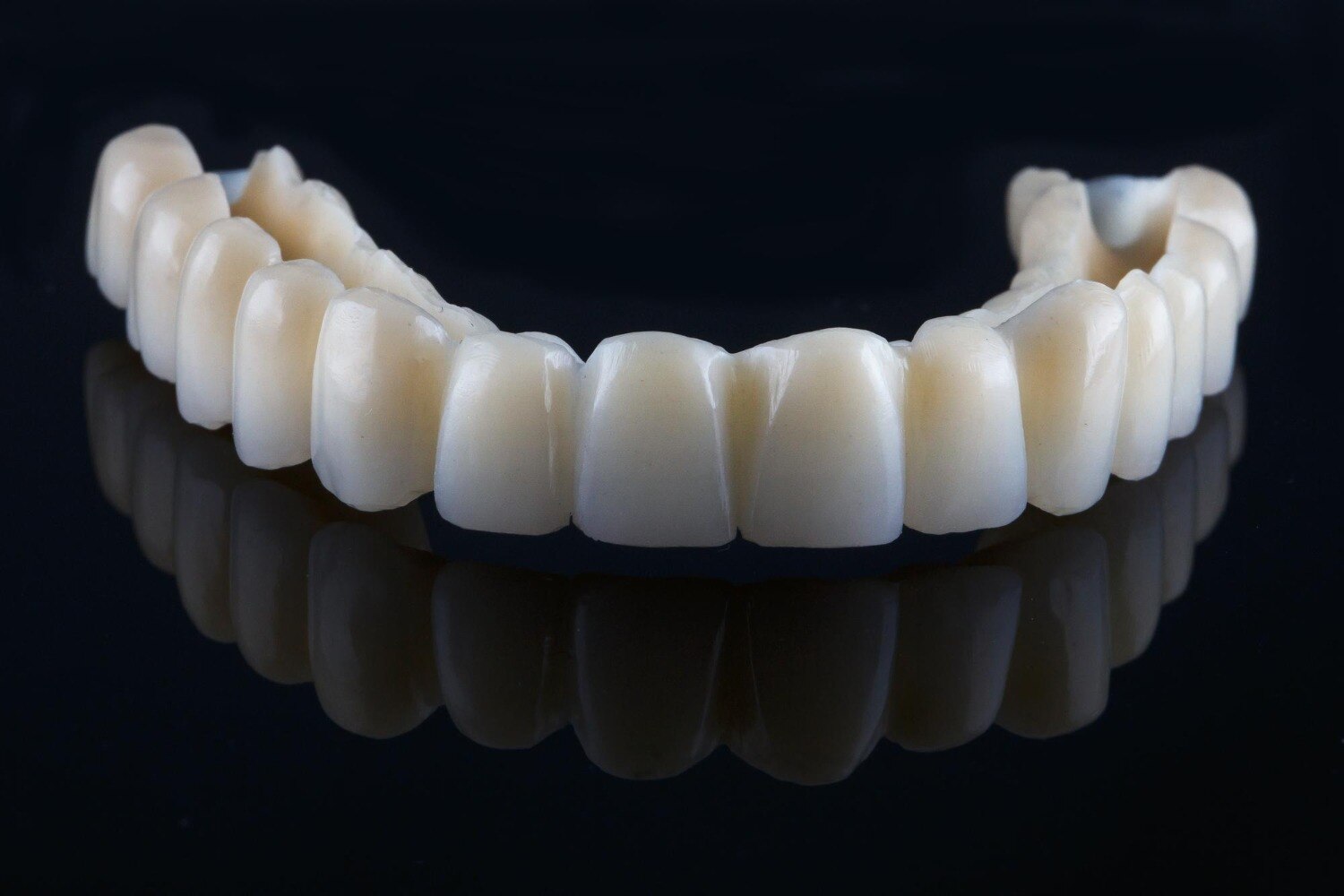
Porcelain usually gives the more natural-looking result because its translucency reflects light more like enamel, but composite can look excellent when conservative treatment, lower cost or easy repair matters more.
| Material | Appearance and performance | Practical trade-off |
|---|---|---|
| Porcelain | More enamel-like translucency, stronger stain resistance and better resistance to wear; commonly lasts longer | Higher cost, laboratory fabrication and usually more than one appointment; chips or fractures often need replacement |
| Composite resin | Can be colour-matched and shaped directly on the tooth | Usually lower cost and often completed in one appointment; stains, wears and chips sooner, but repair is simpler and more affordable |
Your bite can outweigh the material’s cosmetic advantage. Bruxism, an edge-to-edge bite or limited enamel support increases the risk of fracture or debonding; discuss bite treatment or a night guard before choosing. A guard reduces risk, not eliminates it.
Composite is not automatically the less natural option. A skilled clinician can layer and polish it, while poorly contoured porcelain can look opaque or bulky. “No-prep” or “minimal-prep” dental veneers in Delhi still require an assessment: tooth position, planned thickness, colour and bite determine whether enamel must be reduced.
Without enough space, either material can create protruding contours.
Ask for a written comparison covering material, number of teeth, laboratory work, temporary restorations, scans, follow-ups and repair arrangements. If you plan whitening, do it before final shade selection because veneers do not bleach like natural teeth.
What happens before veneers are bonded to your teeth?
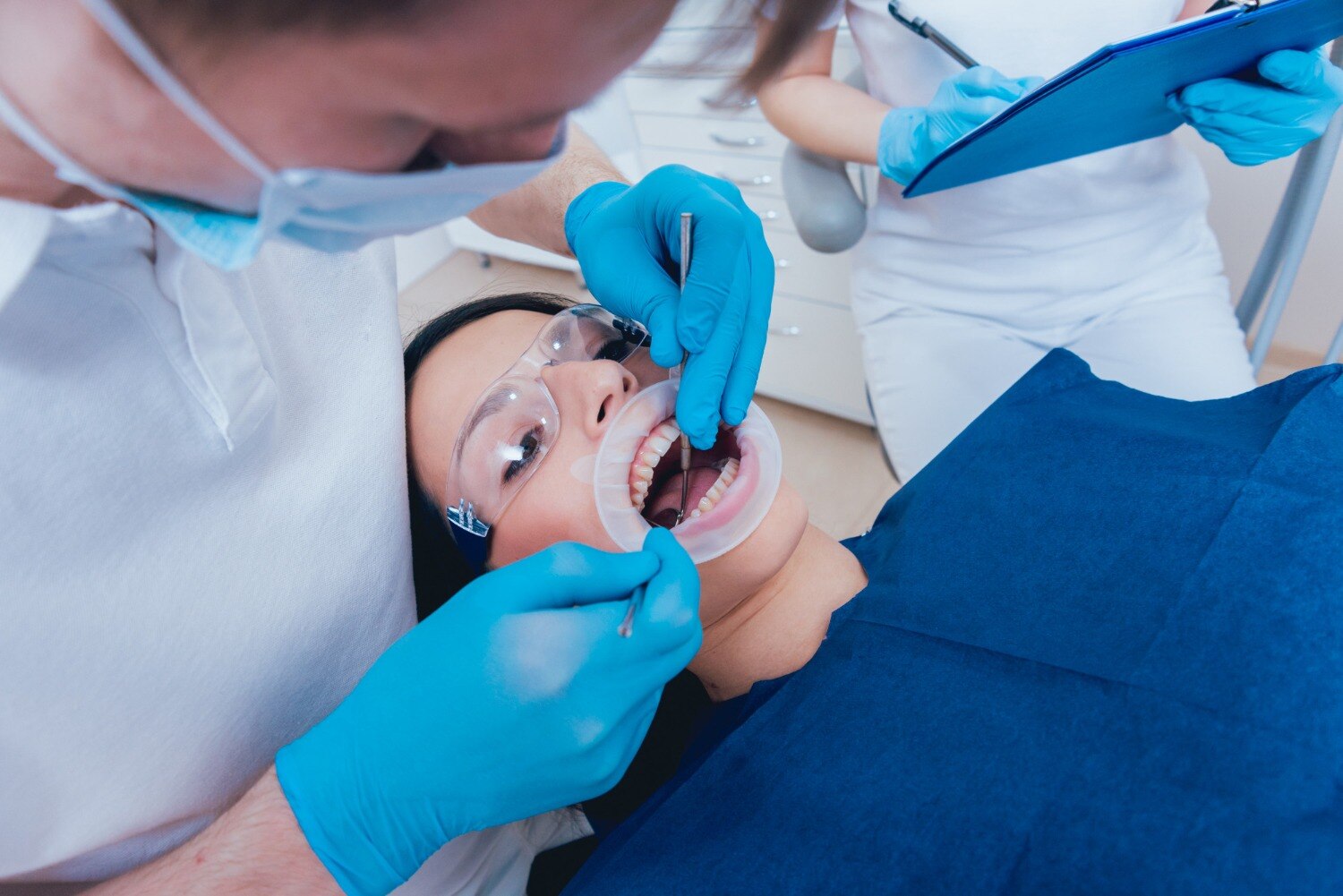
Before bonding, your dentist checks whether veneers will improve the visible surface without hiding a problem underneath. The assessment includes photographs, gum health, existing fillings or crowns, tooth contacts, bite, desired tooth length and shape, and any whitening planned beforehand.
1. The dentist creates a trial plan. A mock-up or temporary trial smile lets you test tooth length, speech, lip support and possible bulk before enamel is altered. If decay, active gum disease, severe crowding or heavy grinding is present, those issues come first.
2. The preparation is decided tooth by tooth. “No-prep” and “minimal-prep” do not guarantee untouched enamel: existing tooth position, veneer thickness, colour correction and bite determine the space required. Skipping adequate reduction can leave veneers protruding, while unnecessary reduction permanently removes healthy enamel.
3. The prepared teeth receive temporary coverage when laboratory-made veneers are being produced. These provisionals protect sensitive surfaces and reveal whether the proposed shape affects your bite or comfort.
4. The laboratory fabricates the final veneers from the approved shade, dimensions and design. Ask for a written plan covering the material, number of teeth, scans, photographs, laboratory work, temporary restorations and follow-up visits when comparing cosmetic veneers in Delhi.
5. At the fitting visit, the dentist checks each veneer on the tooth before bonding. After confirming colour, margins, contacts and bite, the surfaces are cleaned, conditioned and bonded with dental cement; the bite is checked again afterwards.
How are shade, shape and the number of veneers chosen?
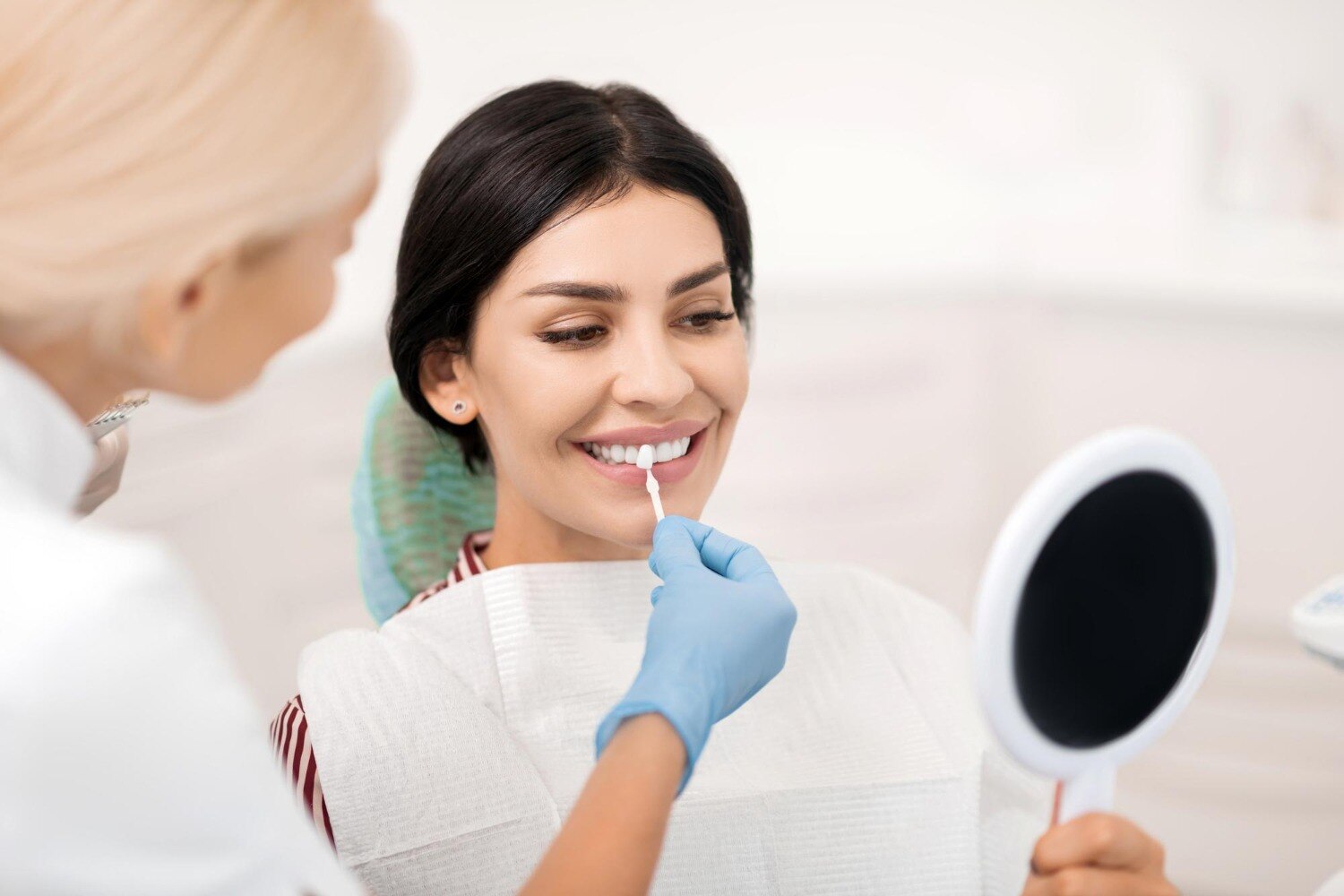
Shade, shape and the number of veneers are chosen as one design, not as separate tooth-by-tooth decisions. The whitest shade rarely looks most natural; translucency at the incisal edge, subtle surface texture and the colour of neighbouring teeth determine whether the result reflects light like enamel.
Planning usually considers:
- Whitening first: Natural teeth respond to bleaching, but porcelain and composite veneers do not change colour in the same way. Complete desired whitening before selecting the final veneer shade, or the natural teeth may later contrast with the veneers.
- Shape and proportions: Tooth width, length, edge position and symmetry are matched to your face, smile line and existing teeth. A trial smile or mock-up can reveal whether the proposed proportions look balanced before bonding.
- Gum display and lip movement: The design is checked while you smile, speak and relax. A tooth length that looks attractive in a still photograph can look excessive when the upper lip rises.
- Veneer count: The dentist assesses which teeth appear together during a broad smile, rather than treating only the tooth you notice. Covering an isolated tooth can create a colour or texture mismatch beside untreated teeth.
For veneers in Delhi, ask to see the proposed shade and shape under natural-looking light, and discuss photographs, videos or a mock-up before final approval. The goal is coordinated appearance, not identical, opaque teeth.
How can you compare veneer providers and protect the result?
Compare the clinician, not just the smile photographs. For dental veneers in Delhi, check the treating dentist’s current registration with the National Dental Commission, then ask who will prepare the teeth, bond the veneers and handle repairs. The person presenting the design, treating dentist and laboratory technician may be different people.
Request a written, itemised plan before paying a deposit. It should specify:
- Material and shade system
- Number of teeth and preparation limits
- Laboratory charges, scans, photographs and temporary restorations
- Trial smile, fitting and follow-up appointments
- The fee and process if a veneer debonds, chips or fractures
- Whether whitening comes before final shade selection
A price quoted “per tooth” can exclude several of these items.
| Provider check | Ask for | Why it matters |
|---|---|---|
| Registration | Current regulator registration details | Confirms who is legally treating you |
| Treatment roles | Names of dentist and laboratory | Shows who is accountable at each stage |
| Repair policy | Written debonding and fracture terms | Prevents disputes after treatment |
| Maintenance plan | Examination and hygiene schedule | Veneers do not prevent decay at the margins |
Cosmetic veneers in Delhi still require brushing twice daily, interdental cleaning and regular examinations. Avoid biting ice, pens, fingernails or packaging; control grinding with a dentist-prescribed night guard. Active cavities, gum disease or poor cleaning must be treated first, because veneers do not protect unhealthy teeth.
AK Dental Superspeciality Clinic CGHS ECHS CBSE DU can be included in your comparison by asking these same questions in writing rather than judging the name or advertised images alone.
Related service
Veneers Veneers At AK Dental Multispeciality Clinic, we offer high-quality Dental Veneers to enhance the appearance of your smile and improve the shape, size, and... |
Frequently asked questions
Are veneers suitable for every cosmetic dental concern?
No. Veneers cover the visible front surface, but they do not treat decay, active gum disease, infection or bite problems. Treat those conditions first.
Which looks more natural: porcelain or composite veneers?
Both can look natural when planned well. Porcelain offers stronger stain resistance and lifelike light reflection, while composite is easier to repair and usually requires fewer visits.
What happens before veneers are bonded?
Your dentist examines your teeth and gums, checks your bite, discusses treatment goals, and plans the tooth preparation, shade, shape and number of veneers.
How are veneer shade, shape and quantity chosen?
The plan considers your facial proportions, lip line, adjacent teeth, skin tone, smile width, bite and the amount of visible tooth structure. A trial design helps you review the proposed appearance.
How can you compare veneer providers in Delhi?
Ask about the dentist’s experience, material and laboratory details, tooth preparation, trial design, expected lifespan, repairs, aftercare and a written itemised treatment plan.
Keywords