A whitening visit should start with an examination, not the immediate application of bleaching gel. You will learn how the dentist checks your teeth and gums, records your starting shade, chooses between treatment methods, manages sensitivity, and identifies situations where whitening is the wrong first step.
Key takeaways
- Whitening does not treat decay, gum disease, or a dead tooth.
- Expect a dental examination before any bleaching gel is applied.
- Existing fillings, crowns, and veneers will not change colour.
- Avoid staining foods and follow your dentist’s aftercare instructions.
What does the dentist check before whitening your teeth?
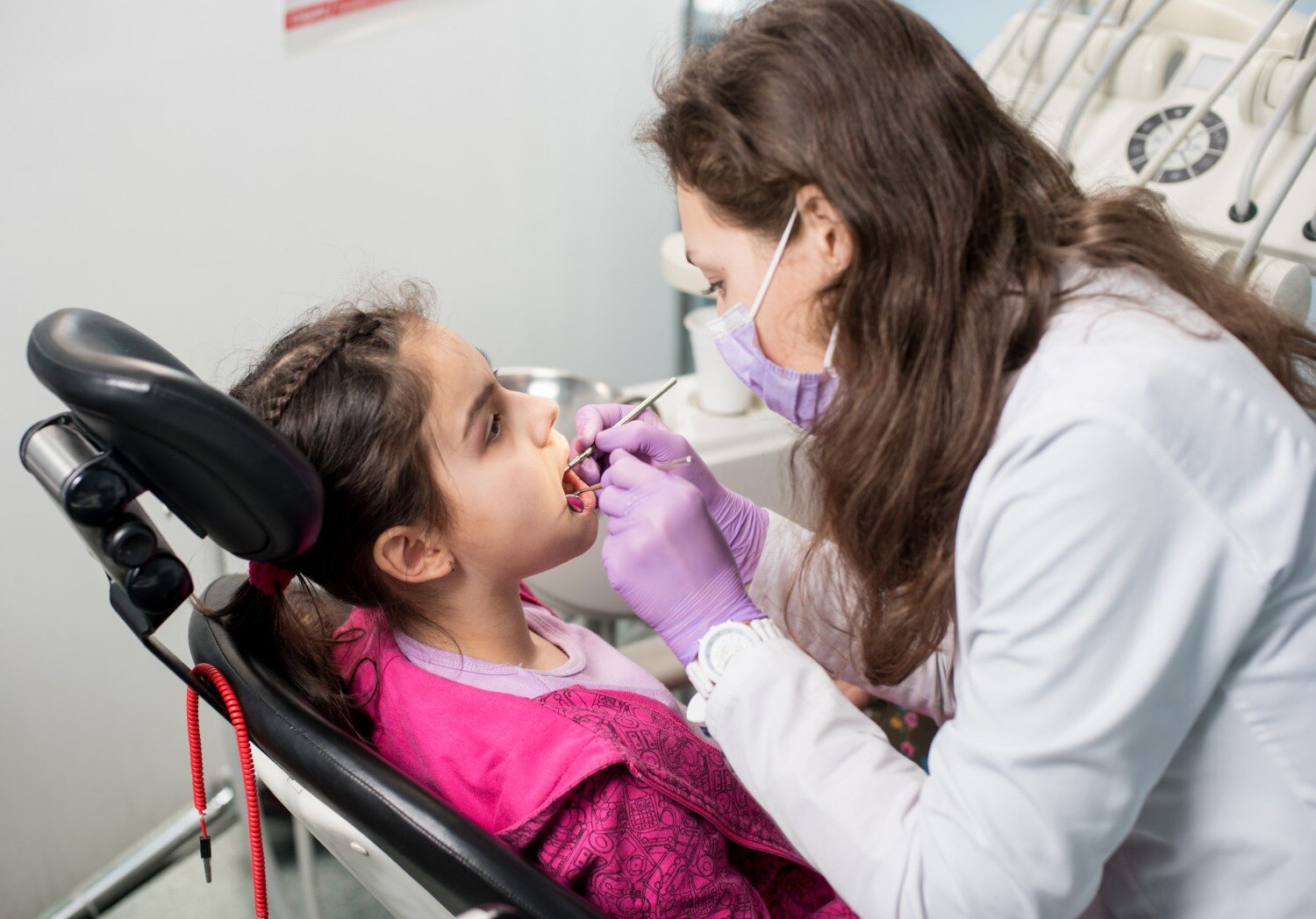
Before any bleaching gel is applied, the dentist checks whether professional teeth whitening in Delhi is safe and suitable for you. Whitening is cosmetic; it does not treat decay, gum disease, or a dead tooth.
1. The dentist reviews your medical and dental history, including previous trauma, medicines, allergies, pregnancy or breastfeeding, and any history of sensitivity. Disclose severe sensitivity, recent dental treatment, and your whitening expectations before booking.
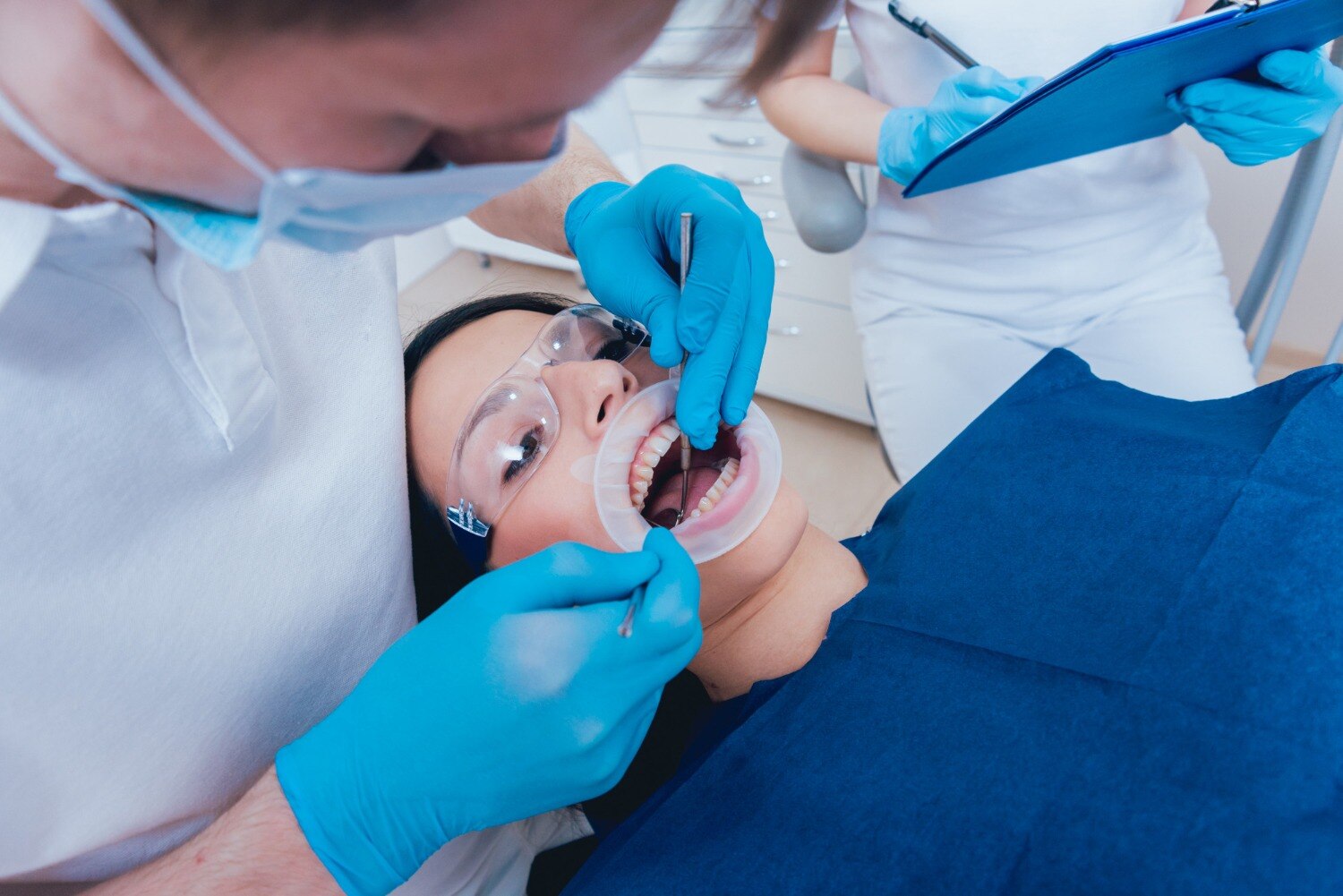
2. A visual examination looks for cavities, leaking or defective fillings, cracked teeth, worn enamel, gum inflammation, bleeding, exposed roots, exposed dentine, and other untreated disease. Active decay, unhealthy gums, substantial enamel wear, or exposed dentine can make whitening painful and require treatment first.
3. The dentist investigates unusual colour changes. Tea, coffee, tobacco, and coloured foods usually cause surface stains, while fluorosis, trauma, tetracycline, ageing, and developmental conditions affect deeper tooth colour. A single dark tooth can signal previous trauma or pulp disease; bleaching it without diagnosis could delay root-canal treatment.
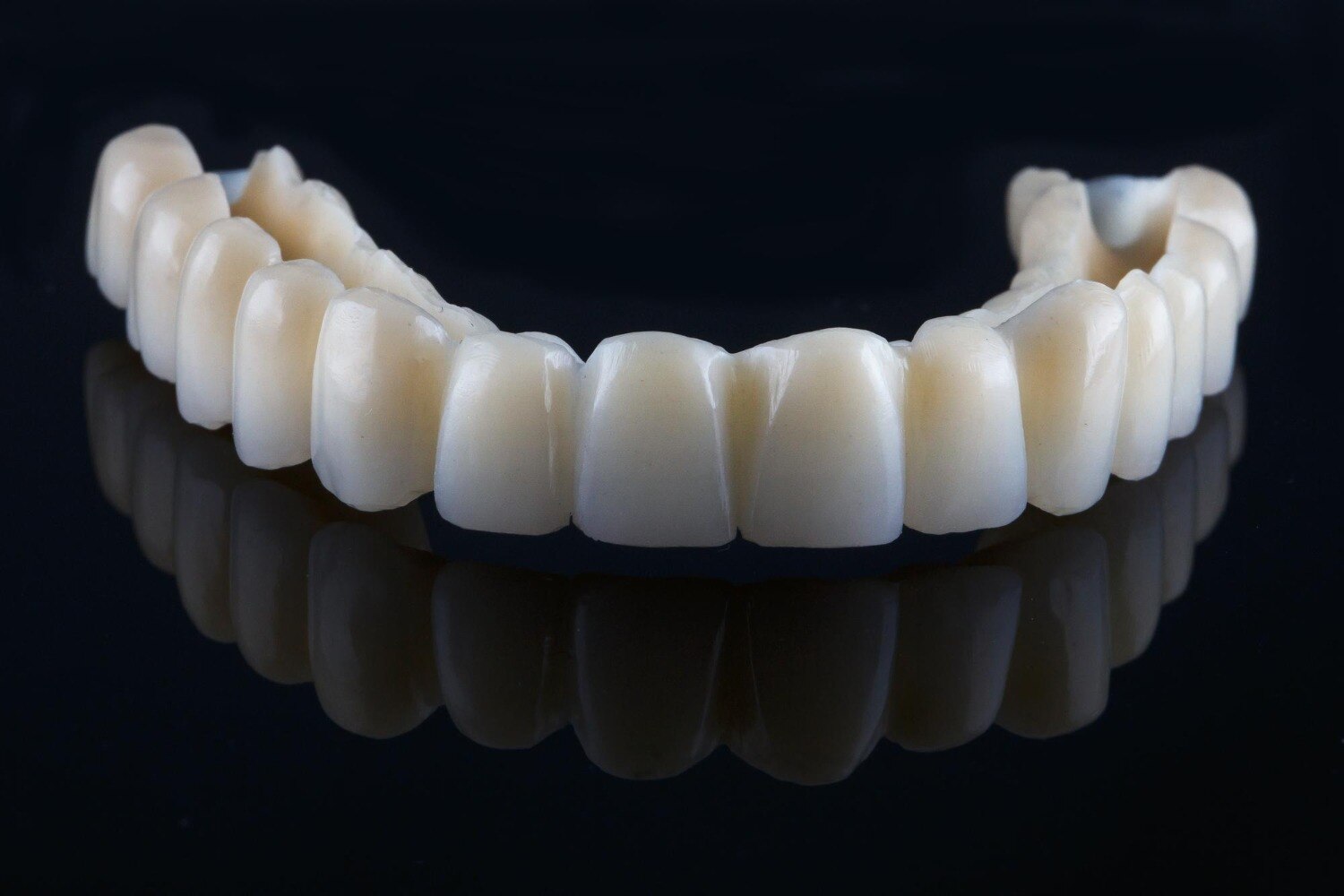
4. The dentist records your existing shade and checks fillings, crowns, bridges, veneers, and implants. Whitening changes natural teeth, not restorations, so treatment can create a mismatch.
A teeth whitening dentist in Delhi should explain whether cleaning, fillings, gum treatment, investigation, or no whitening is the better next step. Children and people who are pregnant or breastfeeding may be advised to defer elective whitening.
What happens during a teeth whitening appointment in Delhi?
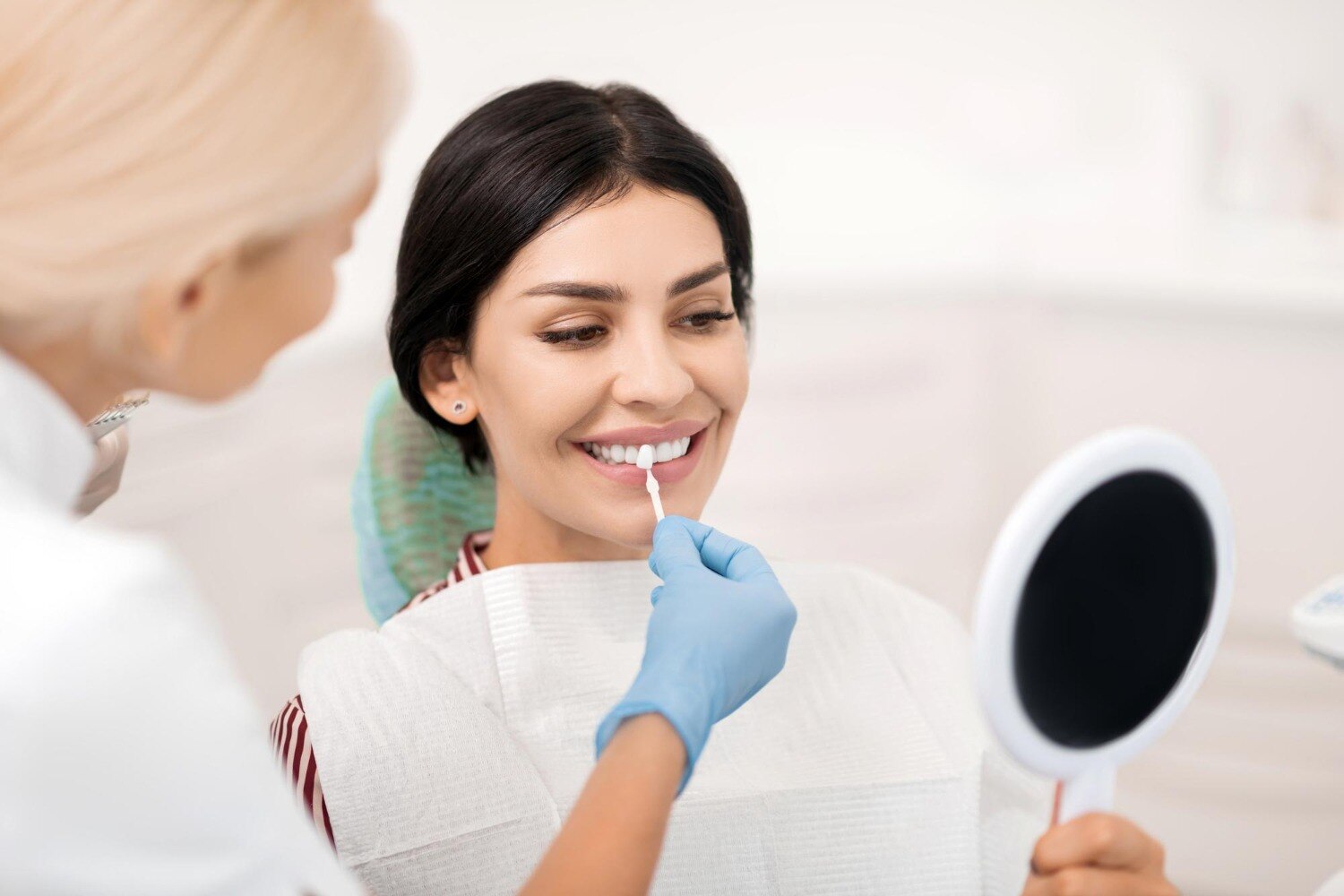
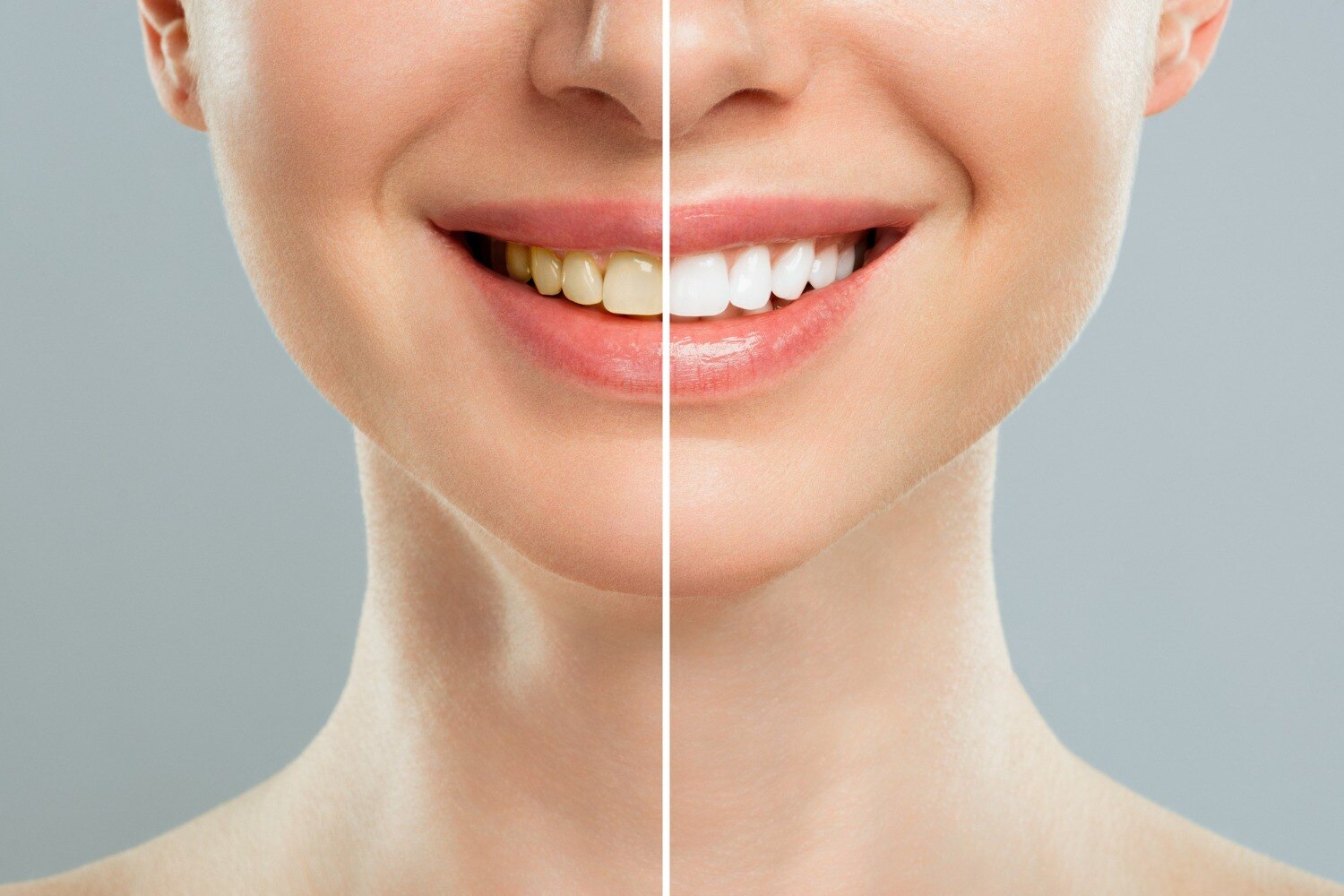
The teeth whitening appointment process in Delhi usually starts with confirming the examination findings and your colour goal, not with immediate gel application. The dentist records the starting shade using a shade guide or clinical photographs and discusses how existing fillings, crowns, veneers, bridges, or implants may remain a different colour.
1. The clinician explains the expected response and confirms which natural teeth are eligible. Ask which product is being used, whether it contains hydrogen peroxide or carbamide peroxide, and how long each application will remain on your teeth.
2. Cheek or lip retractors hold the soft tissues away from the teeth. A protective barrier covers the gums and other vulnerable areas; without it, peroxide can cause burning or white patches.
3. The dentist applies the peroxide gel to the eligible natural teeth. The gel may be removed and reapplied in treatment intervals listed in the product instructions.
4. If the protocol includes a light or another activation method, the dentist explains its purpose and exposure time. A light is not automatic proof of a better result, and activation can increase sensitivity.
5. After the final interval, the dentist rinses your teeth and mouth, checks the gums, and compares the result with the recorded starting shade. Tell the clinician immediately if gel touches your gums; follow the clinic’s rinsing or barrier-removal instructions rather than wiping it away with unwashed fingers.
Before booking teeth whitening in Delhi, ask whether the fee includes the examination, cleaning, shade recording, trays, and follow-up. Cleaning and bleaching are separate services, so a low quoted fee may not include both.
What will you feel during and after professional whitening?
Professional teeth whitening in Delhi usually feels more awkward than painful. Cheek and lip retractors create steady pressure while you keep your mouth open, and a protective gum barrier helps prevent peroxide from touching soft tissue.
You may notice a chemical taste or warmth during the application. Brief gum irritation can occur if gel reaches an unprotected area. Tooth sensitivity during treatment or in the hours afterwards is the most common short-term problem.
Local anaesthetic is not normally the central part of cosmetic whitening because your dentist needs you to report sensitivity. The method and the condition of your teeth determine the clinical plan.
If sensitivity develops, the dentist may:
- Shorten the exposure time
- Use a lower-strength product
- Reduce treatment frequency
- Pause treatment
- Recommend a desensitising product
A whitening light or laser is optional, not proof of a better result. Activation can increase sensitivity, and research has not consistently found a clinically important improvement over peroxide treatment alone.
Do not apply extra gel to overcome a disappointing shade or continue through severe pain. Contact your teeth whitening dentist in Delhi if you have severe pain, persistent gum burning, or symptoms that do not settle.
Before leaving, confirm how long the product stays on, what to do if gel touches your gums, and when to stop treatment.
Which whitening option fits your teeth and existing dental work?
The right choice depends on the cause of staining, your sensitivity, and whether visible dental work must match. For professional teeth whitening in Delhi, ask the dentist to compare these options rather than choosing the strongest product.
| Option | How it works | Main limitation |
|---|---|---|
| In-office whitening | Peroxide is applied under supervision during a shorter treatment period. | It cannot change restorations or guarantee an even response. |
| Dentist-provided take-home trays | Custom trays deliver repeated applications over days or weeks. | Results depend on following contact-time and frequency instructions. |
| Over-the-counter strips | Preloaded strips provide bleaching with less individual assessment. | Fit, concentration, and suitability for your teeth receive less clinical review. |
| Whitening toothpaste | Abrasives and cleaning agents remove some surface stain. | It does not substantially change deeper tooth colour. |
| Scaling and polishing | The dentist removes calculus and external deposits. | It is cleaning, not bleaching, though both may be recommended. |
Whitening changes natural tooth structure, not fillings, crowns, bridges, veneers, implants, or dental jewellery. If you whiten after a restoration is placed, the natural teeth can become a different shade; replacing or reshaping that restoration is a separate decision.
Fluorosis, trauma, tetracycline staining, ageing, and developmental conditions can respond unevenly. Your dentist may instead discuss bonding, veneers, fillings, or no cosmetic treatment. This assessment matters when choosing teeth whitening in Delhi, because a cleaning may solve surface stain while bleaching may not solve deeper discoloration.
What should you do after the appointment and before choosing a clinic?
Protect the result by following the written instructions for product contact time, tray use, and desensitising products. If gel touches your gums, remove it and rinse exactly as instructed; stop and contact the clinic if burning, marked whitening of the gums, or pain persists.
Do not use a stronger product or apply it more frequently than prescribed. Extra exposure raises the risk of tooth sensitivity and soft-tissue irritation without guaranteeing a proportionally whiter result.
Tea, coffee, tobacco, and coloured foods can create new surface stains, so ask when you can resume them and plan maintenance instead of repeating whitening indefinitely.
Results are not permanent, and whitening cannot change the colour of fillings, crowns, bridges, veneers, or implants. Ask how older restorations will be colour-matched and whether replacement work is separate.
| Ask before booking | Why it matters | Warning sign |
|---|---|---|
| Examination and shade recording | Confirms suitability and provides a comparison | A promised shade without assessment |
| Cleaning and trays | Shows what the quoted fee includes | Unexpected add-on charges |
| Product, contact time, and follow-up | Gives you a safe aftercare plan | No written safety instructions |
| Restoration colour-matching | Prevents a visible mismatch | No discussion of existing dental work |
Ask a teeth whitening dentist in Delhi these questions while comparing the teeth whitening appointment process in Delhi. AK Dental Superspeciality Clinic CGHS ECHS CBSE DU is one option if you want cosmetic planning considered alongside broader dental assessment; compare examination, protocol, safety instructions, and follow-up—not a light-based claim.
Related service
Teeth Whitening Brighten Your Smile with Professional Teeth Whitening Teeth whitening is a safe and effective cosmetic dental treatment that helps remove stains and... View service → |
Frequently asked questions
What does a dentist check before whitening your teeth?
The dentist checks for decay, gum disease, enamel damage, tooth sensitivity, and a dead tooth before recommending whitening.
What happens during a teeth whitening appointment in Delhi?
The appointment includes an oral examination, shade assessment, protection for your gums and soft tissues, application of whitening gel, and monitoring during treatment.
What will you feel during and after professional whitening?
You may feel temporary tooth sensitivity or gum irritation during or after treatment. Tell the dentist if discomfort becomes strong or persists.
Which whitening option fits your teeth and existing dental work?
Your dentist matches the option to your tooth shade, sensitivity, and dental work. Fillings, crowns, and veneers do not whiten like natural teeth.
Keywords