A veneer decision involves more than choosing a bright shade: your enamel, gums, bite, tooth health and daily habits all affect whether treatment is suitable. By the end, you will know what to ask at a consultation, how porcelain and composite options differ, what placement feels like and which aftercare symptoms need prompt review.
Key takeaways
- Ask whether your enamel, gums, bite and existing fillings can support veneers.
- Choose porcelain for durability or composite for simpler, more repairable treatment.
- Expect examination, smile planning, preparation, temporary veneers and final bonding.
- Compare dentists by preparation philosophy, material details, bite assessment and aftercare.
What happens at a dental veneer consultation in Delhi?
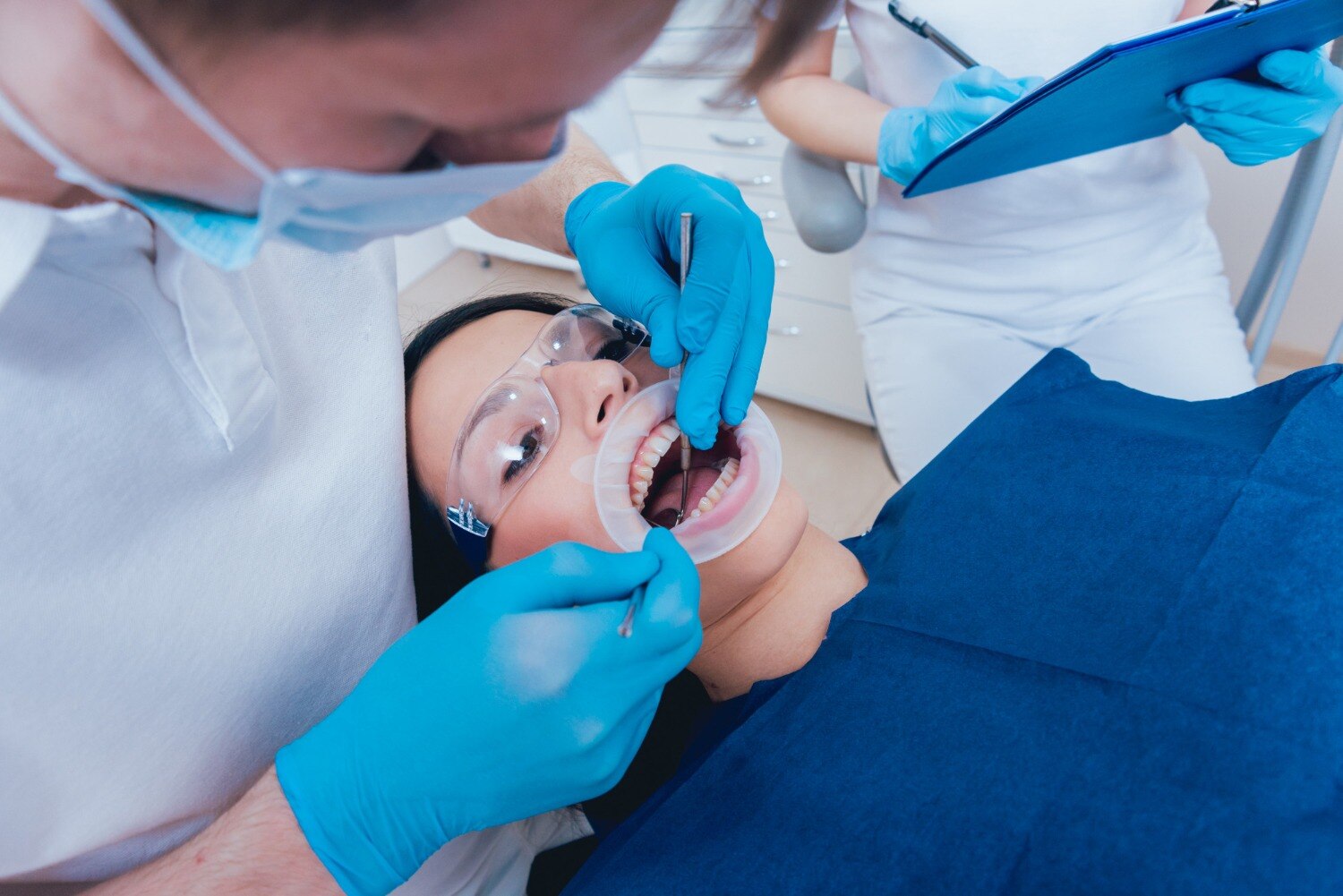
A dental veneer consultation in Delhi should tell you two things: what must change and whether your teeth can safely support that change. The dentist should examine your enamel thickness, fillings, cracks, wear, tooth position and bite forces, then assess your gums for bleeding, recession or periodontal disease.
Expect clinical photographs, shade assessment and a discussion of the intended result: colour, length, shape, spacing or minor rotation. The plan should account for your lip line, facial proportions, tooth display, speech and existing bite—not simply the number of veneers you request.
X-rays are useful when your history or examination suggests decay, infection or hidden problems; they do not replace a direct examination.
Veneers in Delhi suit you when your teeth have enough sound enamel for predictable bonding, your gums are stable, decay is controlled and your bite does not overload the restorations. Ask how the dentist will handle:
- Active cavities, leaking fillings, gum disease or cracked teeth before cosmetic treatment.
- Severe wear, insufficient tooth structure or a deep bite that could shorten veneer life.
- Grinding or clenching, including whether you need a night guard.
- Unrealistic expectations about perfect symmetry, shade or permanence.
- A diagnostic wax-up, digital preview or temporary mock-up to test shape and speech.
A “no-prep” promise is not proof of suitability. Adding material without enough space can create bulky contours, alter your bite and trap plaque. Because preparation can remove enamel permanently, request a written explanation of how much will be removed and why.
Porcelain, composite and tooth preparation: which choice fits?
Porcelain suits patients prioritising a highly stable, natural-looking result; composite suits patients prioritising lower initial intervention, easier repair and a shorter appointment. The decisive issue is not colour alone. Your enamel, bite, tooth condition, grinding habits and willingness to maintain or replace the work determine which material fits.
| Option | Preparation and appearance | Maintenance, risks and reversibility |
|---|---|---|
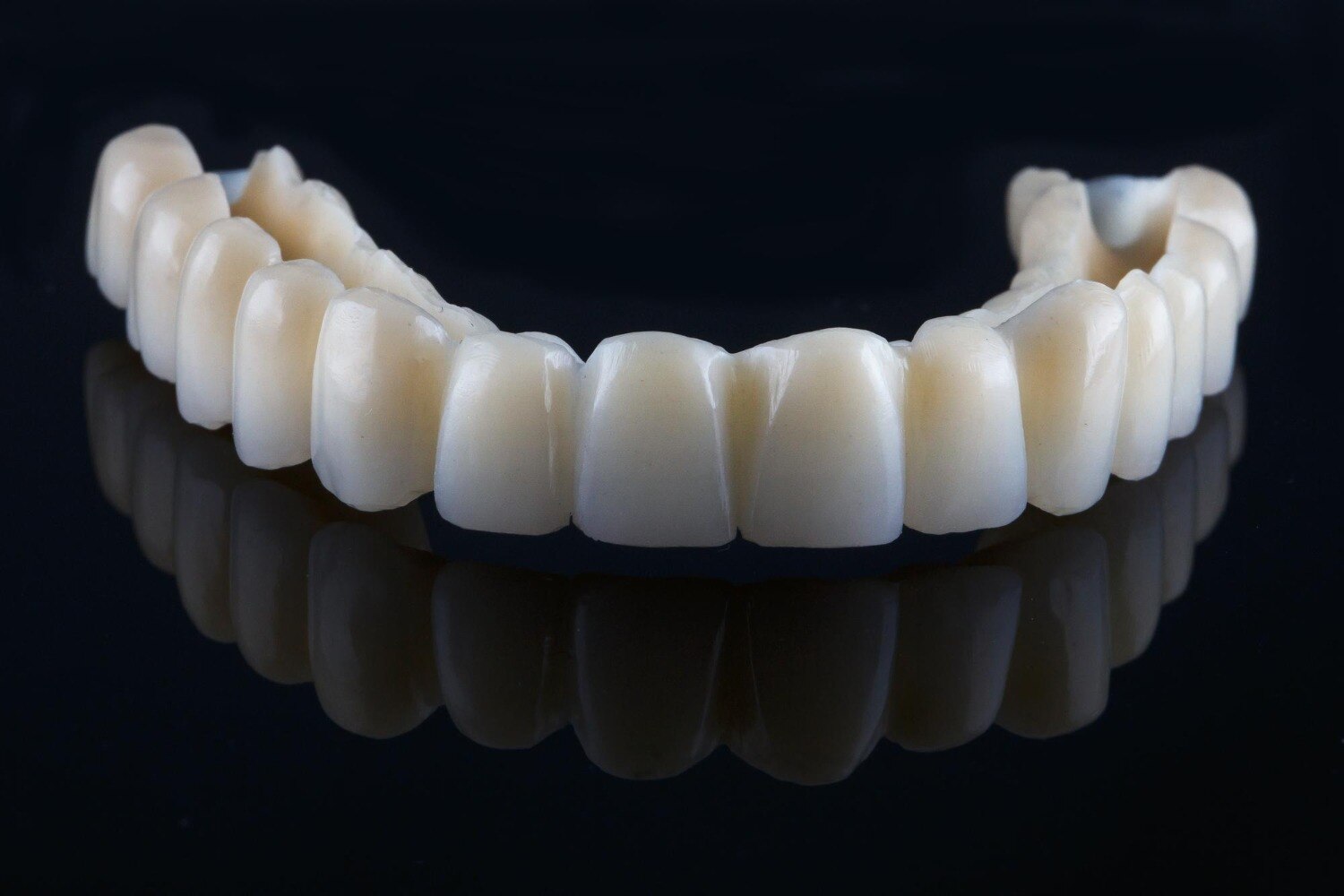
| Porcelain or ceramic | Usually requires controlled enamel reduction, a scan or impression, laboratory fabrication and bonding at a later visit. It offers a glass-like surface, strong stain resistance and consistent shape. | Chipping, debonding, decay at a margin or grinding can shorten its roughly 10–15-year expected service life; this is not a warranty. Once enamel is removed, treatment is not fully reversible. |
| Direct composite | Often needs little preparation, and the dentist builds the material directly on the tooth. It can produce an attractive result but may look less translucent and uniform than porcelain. | Composite can stain, wear or need polishing sooner, but chips are often repaired in the mouth. Preserving enamel makes retreatment or removal less involved. |
“No-preparation” does not mean risk-free. If the tooth has insufficient space, adding material can create bulky edges, gum irritation, speech changes or an altered bite. Ask where enamel will be removed, how much will remain, and what happens when the veneer needs replacement.
If you are comparing veneers in Delhi, request photographs or a digital preview, the named material and laboratory, and a written repair and replacement plan. A careful plan is more valuable than a promise of one-day treatment.
The veneers treatment process in Delhi, from planning to bonding
A veneer is not bonded immediately after you request a new smile. The veneers treatment process in Delhi usually moves through examination, design, preparation, a trial stage and final bonding, with approval at each point.
1. The dentist examines your teeth and gums, records clinical photographs, checks your existing bite and discusses the intended change: colour, length, shape, spacing or minor rotation. Radiographs are taken when your history or examination indicates a need.
2. A diagnostic wax-up, digital preview or temporary mock-up shows how the proposed veneers could affect tooth display, lip support, speech and facial proportions. Use it to test appearance and phonetics, not as a guarantee of the final result.
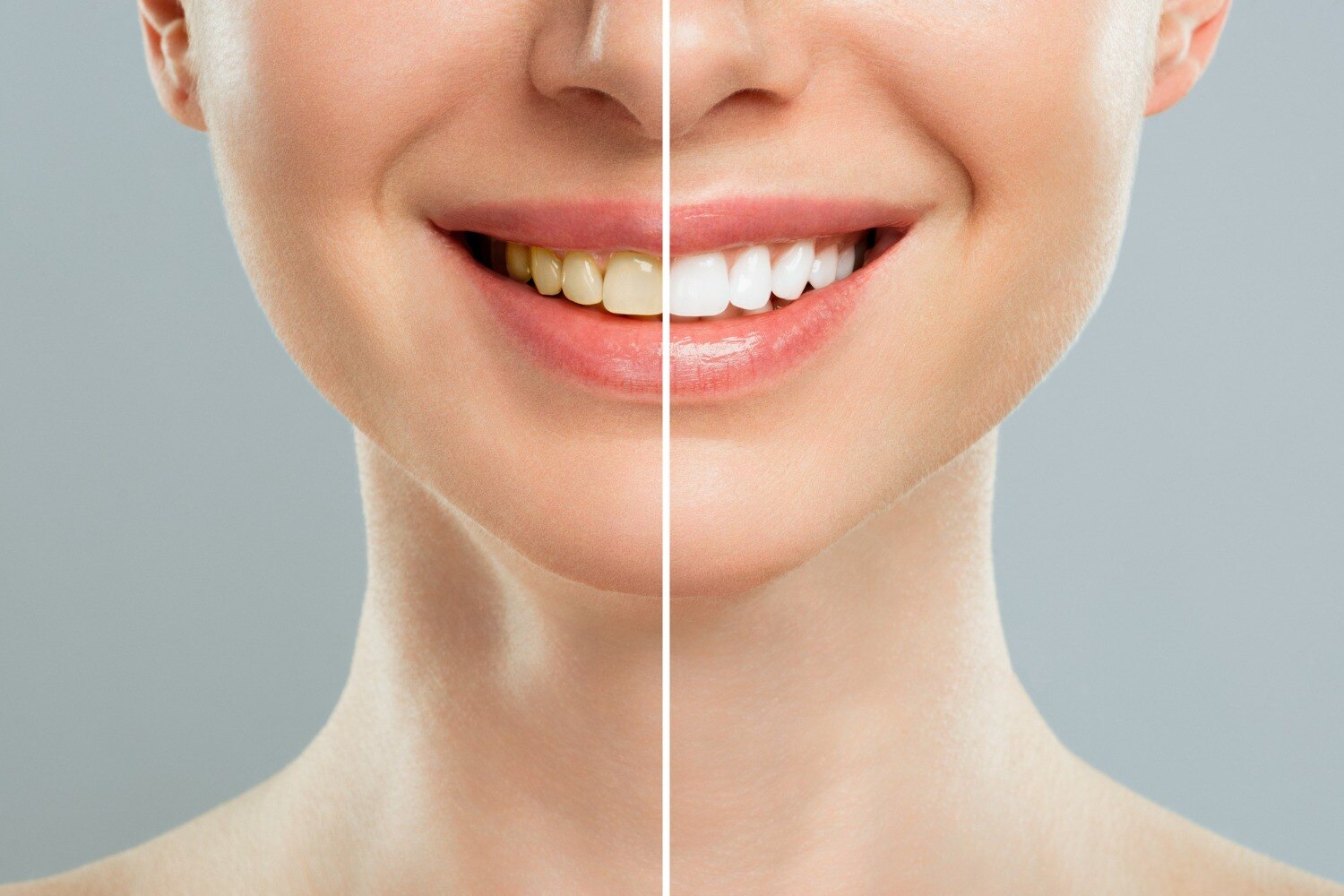
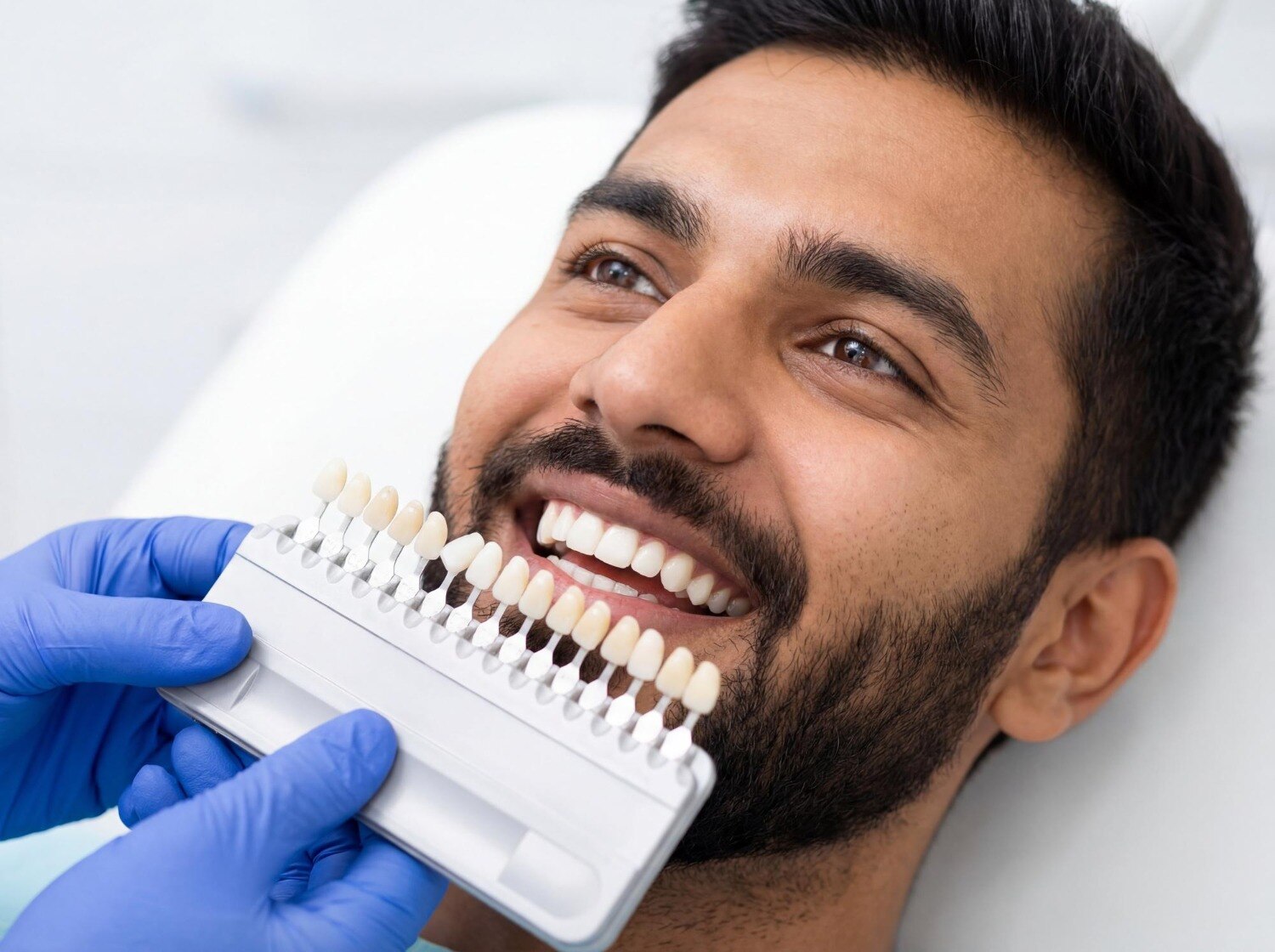
3. The shade is selected before the veneers are made and bonded. If adjacent natural teeth are visible, discuss whitening first because porcelain and composite veneers do not lighten afterwards.
4. The dentist prepares the teeth when the design needs space and a reliable enamel-bonding surface. This step is often irreversible; a bulky “no-prep” veneer can disturb the bite, contours and gum health.
5. After fabrication, the dentist checks each veneer on the tooth for shade, margins, shape, contacts, speech and bite. You should approve the design before bonding; the teeth are then cleaned, isolated, etched and bonded with dental cement or composite resin.
A final bite check prevents a high contact from making the tooth sore or stressing the restoration. Ask what changes remain possible after bonding, because removal can require further tooth preparation.
What placement feels like and what to expect after the appointment
During preparation, local anaesthetic should prevent sharp pain. Pressure, vibration, water spray and the sound of instruments are normal, followed by numb lips or gums for a few hours. As the anaesthetic wears off, mild gum tenderness and brief sensitivity to cold or air can occur, especially where dentine was exposed.
The veneers treatment process in Delhi may include temporary veneers before laboratory-made porcelain veneers are bonded. Temporary restorations can feel slightly different, and your speech or bite may need a short adjustment period.
After bonding, a new veneer can feel noticeable with your tongue, but it should not feel sharp, loose or unusually high when you close your teeth.
- Wait until numbness has gone before eating or drinking hot liquids; biting your cheek or burning your mouth is easy when sensation is reduced.
- Choose softer foods if the teeth feel tender, and avoid testing the veneers by biting hard objects or opening packaging.
- Call the dentist if pain is severe, starts without a trigger, wakes you at night, or continues instead of easing.
- Arrange a review for increasing cold sensitivity, pain when biting, a bite that feels high, a sharp edge, visible movement, or a veneer that chips or comes off.
- Contact the clinic promptly if swelling, fever, bleeding that does not settle with pressure, or an allergic reaction develops.
Do not wait for a scheduled check-up when symptoms are worsening. A review can identify a bite adjustment, bonding problem, crack or pulp irritation before it becomes harder to treat.
How to compare a cosmetic veneers dentist in Delhi
Compare a cosmetic veneers dentist in Delhi by asking for evidence, not only before-and-after photographs. Verify the treating dentist’s registration number and relevant training, then confirm who will prepare the teeth, perform the try-in and bond the veneers. Request the proposed material, manufacturer, shade process and laboratory name in writing.
Ask these questions before agreeing to treatment:
- Will the fee include photographs, scans or impressions, temporary veneers, try-in, bonding and follow-up visits?
- Who pays for adjustments, remake or revision if the shade, shape or bite is unacceptable?
- Which laboratory technician designs the veneers, and can the dentist explain how the technician receives your photographs, scans and shade information?
- What maintenance is expected, including cleaning visits, a night guard for grinding and restrictions on ice, hard foods or nail biting?
- What happens if a veneer chips, cracks, loosens or comes off, and what replacement fee applies?
| Provider | Verify | Warning sign |
|---|---|---|
| Dentist | Registration, training and who performs each stage | Staff cannot identify the treating dentist |
| Laboratory | Named lab, material specification and design workflow | “Premium” is the only material detail |
| Fee plan | Itemised total, exclusions and revision policy | A per-tooth price with no written scope |
| Aftercare | Review schedule, guard advice and repair terms | No plan for chips or debonding |
| Replacement | Expected review point and replacement charges | Claims of permanent, maintenance-free veneers |
AK Dental Superspeciality Clinic on CGHS ECHS CBSE can be included in your comparison if it provides this information clearly and records it in your treatment plan for veneers in Delhi.
Related service
Veneers Veneers At AK Dental Multispeciality Clinic, we offer high-quality Dental Veneers to enhance the appearance of your smile and improve the shape, size, and... |
Frequently asked questions
What happens at a dental veneer consultation in Delhi?
The dentist examines your enamel, fillings, cracks, tooth wear, tooth position, bite forces and gum health before recommending treatment.
How do porcelain and composite veneers differ?
Porcelain veneers usually offer greater stain resistance and durability, while composite veneers require less laboratory work and are easier to repair or alter.
What is the veneers treatment process in Delhi?
The process includes examination, smile planning, shade selection, tooth preparation when needed, temporary veneers, laboratory fabrication and final bonding.
What does veneer placement feel like, and what happens afterward?
Placement involves keeping the teeth dry while the veneers are bonded. Temporary sensitivity or gum tenderness can occur, and your bite should be checked before you leave.
How should you compare a cosmetic veneers dentist in Delhi?
Ask about preparation, material and laboratory details, bite assessment, photographs or previews, repair options, expected maintenance and follow-up care.
Keywords