A chipped edge, worn surface or darkened cavity does not automatically call for the same restoration. You will be able to compare composite with other options, understand how the tooth is assessed and know what happens during treatment before you choose a dentist or appointment.
Key takeaways
- Composite fillings preserve more healthy tooth than many larger restorations.
- Small chips, moderate decay and worn edges are common composite-filling cases.
- Biting hard foods can chip composite, especially on front-tooth edges.
- Ask how your bite, tooth strength and filling size affect durability.
What tooth-coloured fillings are—and how they compare with other restorations
A direct composite filling is a tooth-coloured resin bonded to the tooth, shaped inside your mouth and hardened with a curing light. It suits small or moderate decay and a chipped incisor because it can preserve healthy enamel, sometimes without drilling.
Bonding fails more readily when saliva contaminates the field, the defect is large, or you grind and bite hard objects.
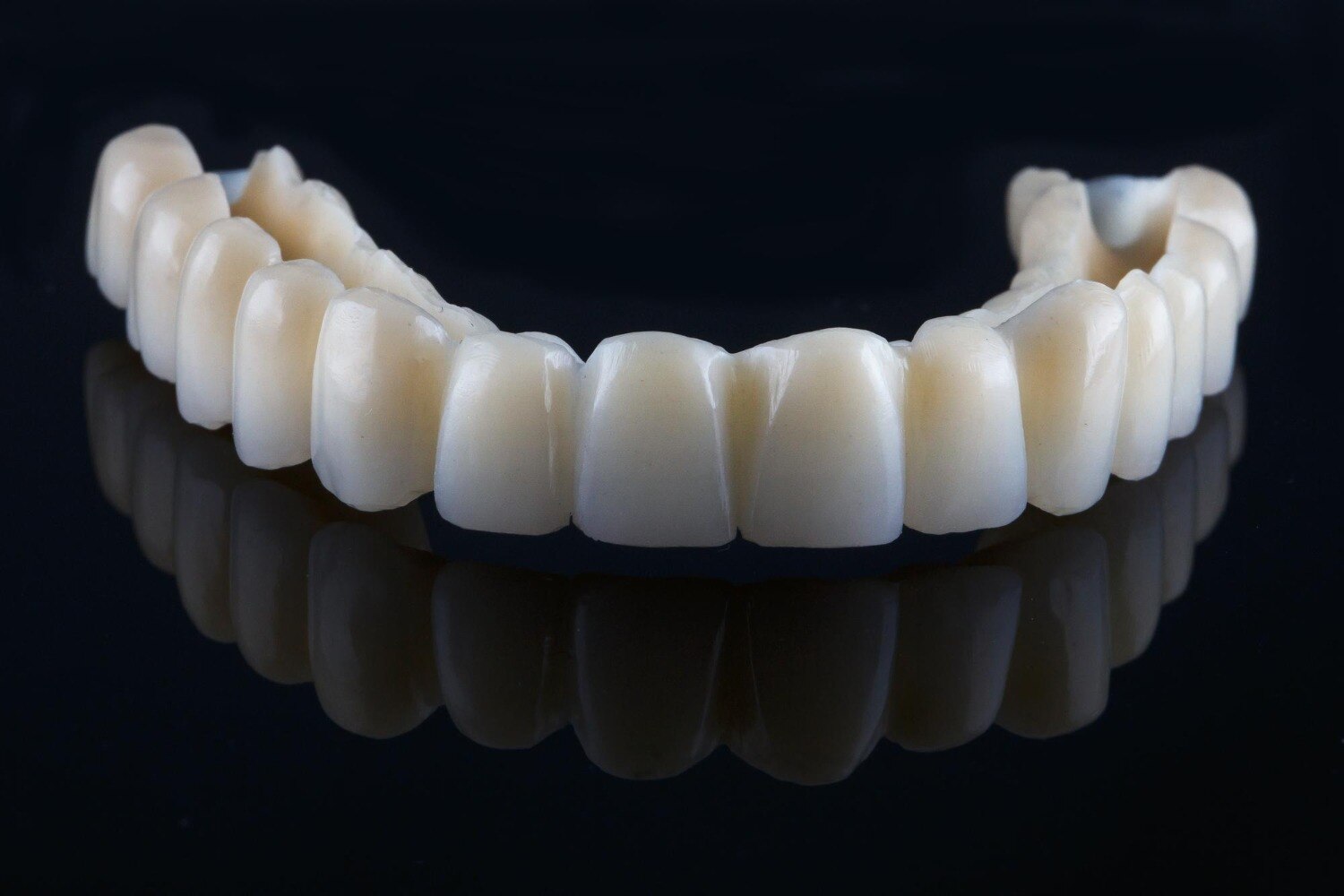
The phrase tooth colored fillings in Delhi usually means direct composite, not every white restoration. An inlay or onlay is made outside the mouth and cemented later.
| Option | What it means | When it applies |
|---|---|---|
| Direct composite | Bonded resin shaped and cured in the tooth | Small or moderate defects, visible teeth and limited chips |
| Amalgam | Metal alloy filling | Load-bearing back-tooth cavities where appearance is less important; it does not bond to enamel like composite |
| Glass ionomer cement | Tooth-coloured cement that releases fluoride | Small, low-stress areas or cavities near the gum; it is less wear-resistant |
| Porcelain inlay or onlay | Ceramic restoration fabricated outside the mouth | Larger back-tooth defects when enough tooth remains, especially when a direct filling would leave weak cusps |
| Veneer | Ceramic or composite facing on the front surface | Cosmetic reshaping or selected front-tooth chips; it cannot replace extensive missing structure |
| Crown | Cap covering most of the tooth | Major structural loss, cracks, missing cusps or a root-canal-treated tooth needing cusp protection |
A large filling does not automatically strengthen a weakened molar. Your dentist weighs remaining tooth structure, cracks and bite forces before choosing composite, an onlay or crown. Composite also cannot whiten the tooth, so bleaching is usually planned before its final shade is matched.
How a dentist decides whether a chipped, worn or decayed tooth can be filled
A dentist recommends a direct filling only when enough sound tooth remains to hold it and the defect does not require treatment deeper than the tooth’s outer structure. The decision is not based on appearance alone: fillings for chipped teeth in Delhi can conceal damage after a fall or bite.
1. They inspect whether the defect is limited to enamel, reaches dentine, exposes the pulp, or includes a crack. A deep chip, swelling, lingering hot-and-cold pain, or pain on biting can point to pulp or root injury; a radiograph may be needed after trauma or when the chip is deep.
2. They measure how much sound enamel and dentine remain, including each cusp of a molar. A large missing section or a cracked, heavily loaded tooth can split around a direct filling.
3. They check the bite, grinding or clenching, gum condition, plaque control, and whether decay reaches below the gum or along an old restoration. A filling repairs the hole, not the cause.
4. They assess whether the tooth can be cleaned, isolated from saliva, and restored with a stable edge.
A small incisor chip often suits bonded composite; a veneer needs more planned surface preparation. An extensive molar defect may need a ceramic or composite inlay or onlay, or a crown, for cusp protection. Pulp infection calls for root canal treatment before restoration; a non-restorable fracture or severe decay may require extraction.
If a chip causes no functional or cosmetic concern, smoothing or monitoring may be safer than treatment.
Where composite fillings work best: front teeth, back teeth and biting edges
Front teeth and other visible surfaces are usually strong candidates for composite because the material can be shaped and shade-matched directly on the tooth. It suits enamel-only chips and small to moderate decay, including repairs at the edge of a front tooth, without covering healthy tooth structure.
A worn biting edge can also be rebuilt when enough sound enamel remains and the wear is not driven by severe grinding or an unstable bite.
The dentist must check whether the damage is simple wear or a sign of a crack, clenching, acid erosion or decay; filling the edge without addressing that cause can lead to another chip.
Molars can receive composite fillings for small or moderate cavities, especially when the cusps remain strong. Larger back-tooth restorations face greater chewing forces, so a stronger indirect restoration or crown may protect the tooth more reliably. Composite is a repair, not a guarantee against fracture.
Choose a more protective treatment when the tooth has:
- A crack extending beyond the filled area
- A missing cusp or a large section of tooth
- Heavy grinding, clenching or concentrated bite pressure
Lingering or spontaneous pain, pain when biting, swelling or night-time toothache also changes the decision: the tooth may need endodontic assessment rather than another filling.
Cosmetic fillings in Delhi cannot whiten natural tooth structure or existing composite. If you plan bleaching, complete it before the final shade is selected; otherwise the surrounding enamel can become lighter while the filling stays darker.
What happens during the appointment and how the repair feels
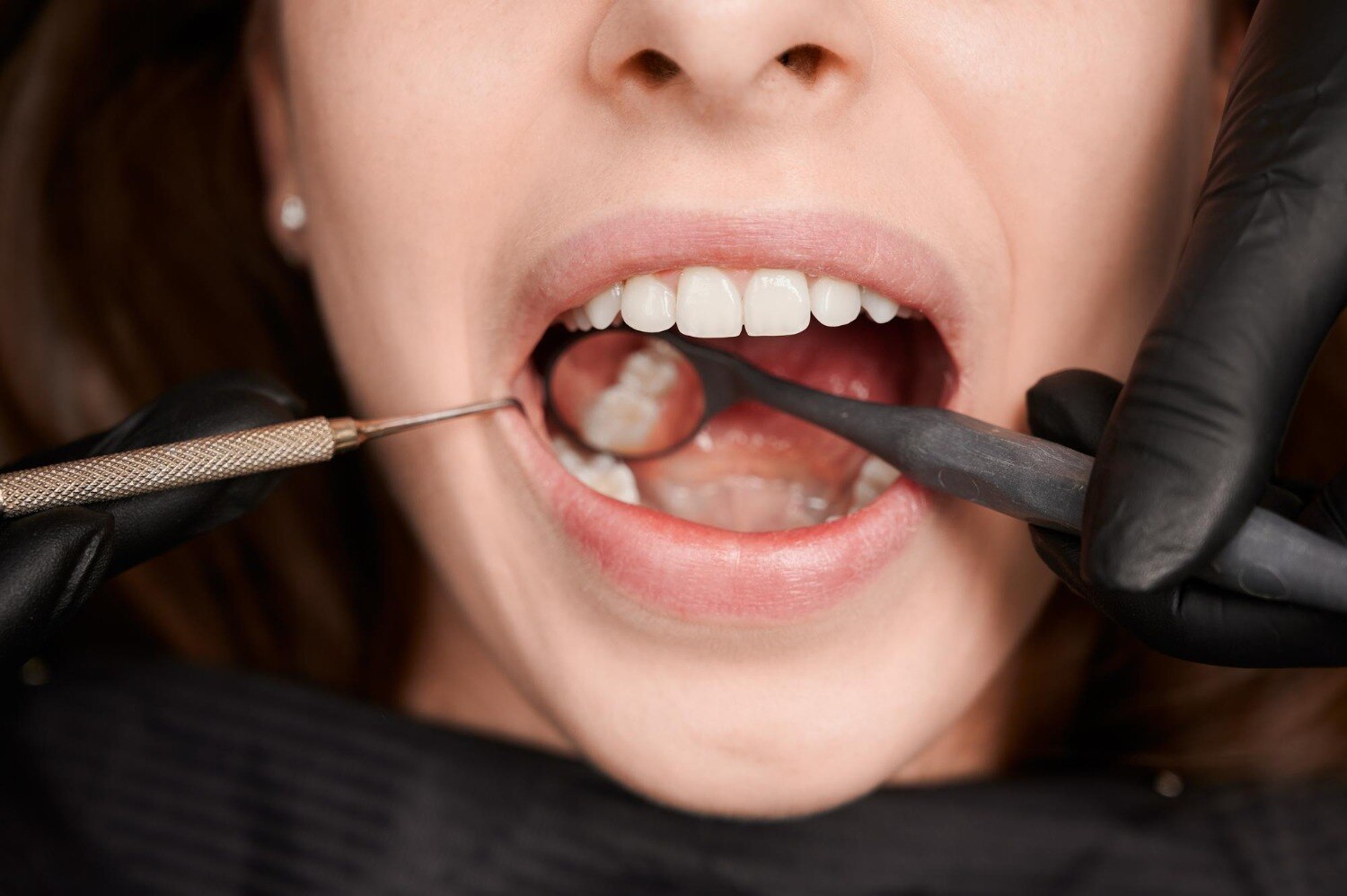
A small chipped incisor can often be repaired in one visit, sometimes with little or no drilling. The dentist cleans the area, selects a matching shade, and applies bonding liquid before adding composite resin directly to the tooth.
The appointment usually follows this sequence:
- Local anaesthetic numbs the tooth and gum; you may feel pressure and vibration but not sharp drilling pain.
- The dentist isolates the tooth with cotton rolls, suction or a rubber dam. Saliva or blood can weaken the bond.
- Decay is removed, when present, and composite is placed in controlled layers. Each layer is shaped and hardened with a blue curing light.
- The dentist smooths the surface, checks your bite, and removes any high spot. A small repair may take roughly 30–60 minutes; a larger or multi-tooth treatment takes longer.
Your lip, cheek or tongue can remain numb for a few hours, so avoid chewing until normal feeling returns. Composite is hard immediately after curing, but biting while numb can injure soft tissue or make you bite the new filling too forcefully.
Brief cold sensitivity is possible for several days. Lingering pain, spontaneous pain, pain when biting, swelling or a night-time toothache needs prompt review because the pulp or tissues around the root may be involved. A filling that feels high can usually be corrected with a quick bite adjustment.
How to protect the filling and choose care for a lasting result
Hard sweets, ice, pen caps and nail biting can chip composite. Grinding, a heavy bite, poor cleaning around the margin, recurrent decay and saliva or blood contamination during bonding also shorten its service life. A night guard may help if you clench or grind; ask the dentist before buying one.
Bleaching should happen before the final shade is selected. Composite does not lighten with whitening, so an existing filling can look darker afterward.
| Symptom | What to do | Why it matters |
|---|---|---|
| Brief cold sensitivity | Monitor it and avoid extreme temperatures for a short period | Operative treatment can temporarily irritate the tooth |
| Lingering or spontaneous pain | Contact the dentist promptly | The pulp may need endodontic assessment |
| Pain when biting | Arrange a bite check and examination | A high filling, crack or deeper inflammation can cause it |
| Swelling or night-time toothache | Seek urgent dental assessment | Infection or periapical disease is possible |
Before booking tooth colored fillings in Delhi or cosmetic fillings in Delhi, ask these questions:
- Is this a direct composite, or an indirect inlay or onlay made outside the mouth?
- How will you isolate the tooth from saliva and blood, especially near the gum?
- Do I need an X-ray, bite assessment or pulp tests before treatment?
- Will whitening happen first, and how will you match the shade afterward?
- If a molar has a missing cusp, crack or root-canal treatment, would an onlay or crown protect it better?
At AK Dental Superspeciality Clinic on CGHS ECHS CBSE, ask whether the examination includes comparing a filling with a crown or onlay rather than assuming the most conservative repair is always the safest.
Related service
Tooth Color, Cosmetic Fillings Tooth Color, Cosmetic Fillings At AK Dental Multispeciality Clinic, we provide tooth-colored cosmetic fillings that restore decayed, chipped, or worn teeth while maintaining a... View service → |
Frequently asked questions
What are tooth-coloured fillings made from?
They use a composite resin bonded to the tooth, shaped in place and hardened with a curing light.
Can a chipped tooth be repaired with a composite filling?
A dentist can use composite for a small or moderate chip when enough healthy tooth remains and the tooth is structurally sound.
Do composite fillings work for back teeth?
They work for selected back-tooth cavities, but the dentist must assess chewing forces, cavity size and the remaining tooth structure.
What happens during a tooth-coloured filling appointment?
The dentist examines the tooth, removes or prepares damaged tissue when needed, bonds and shapes the composite, then hardens and checks your bite.
How do you protect a composite filling?
Brush with fluoride toothpaste, clean between teeth, avoid biting hard objects and arrange review if the filling feels rough, loose or painful.
Keywords