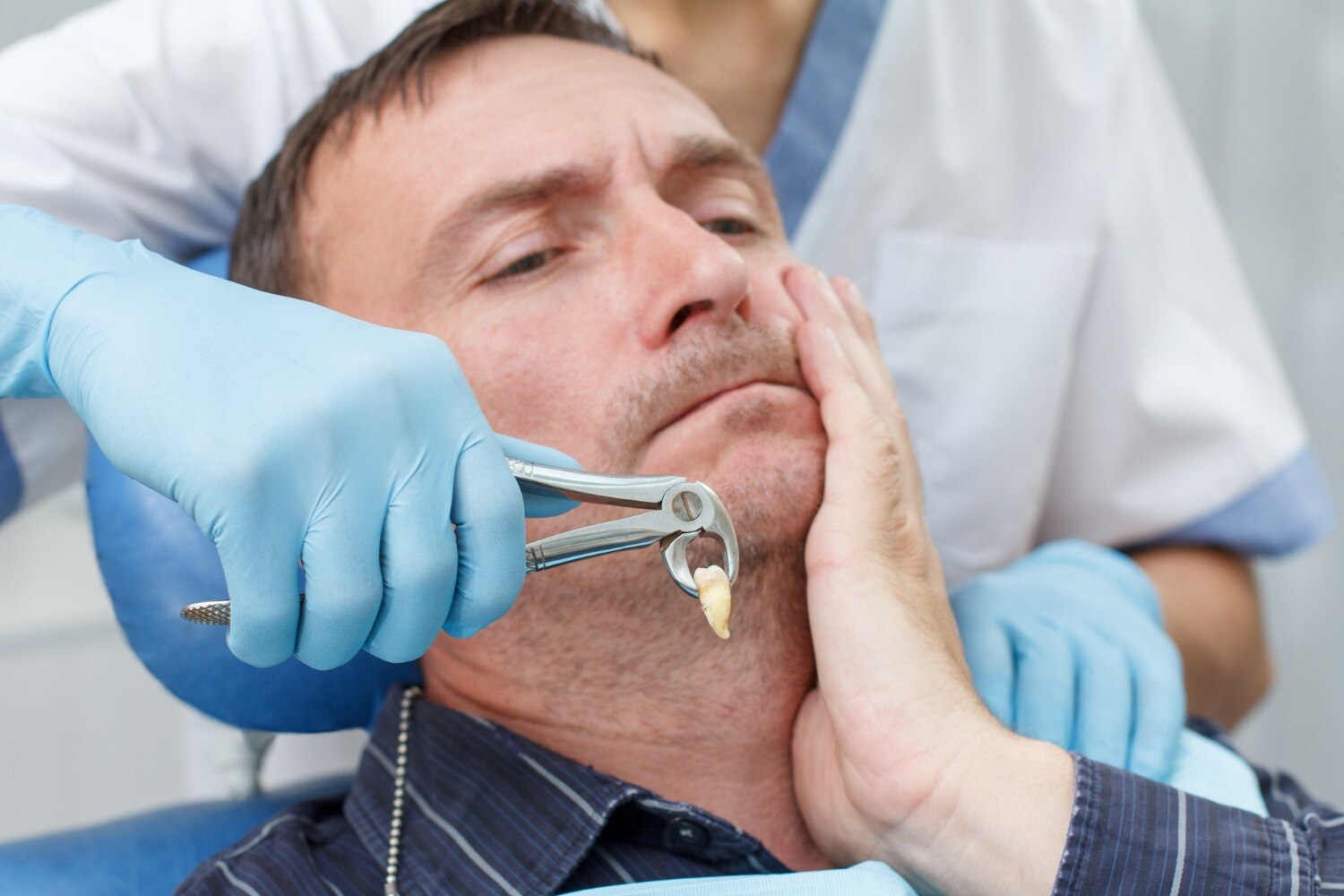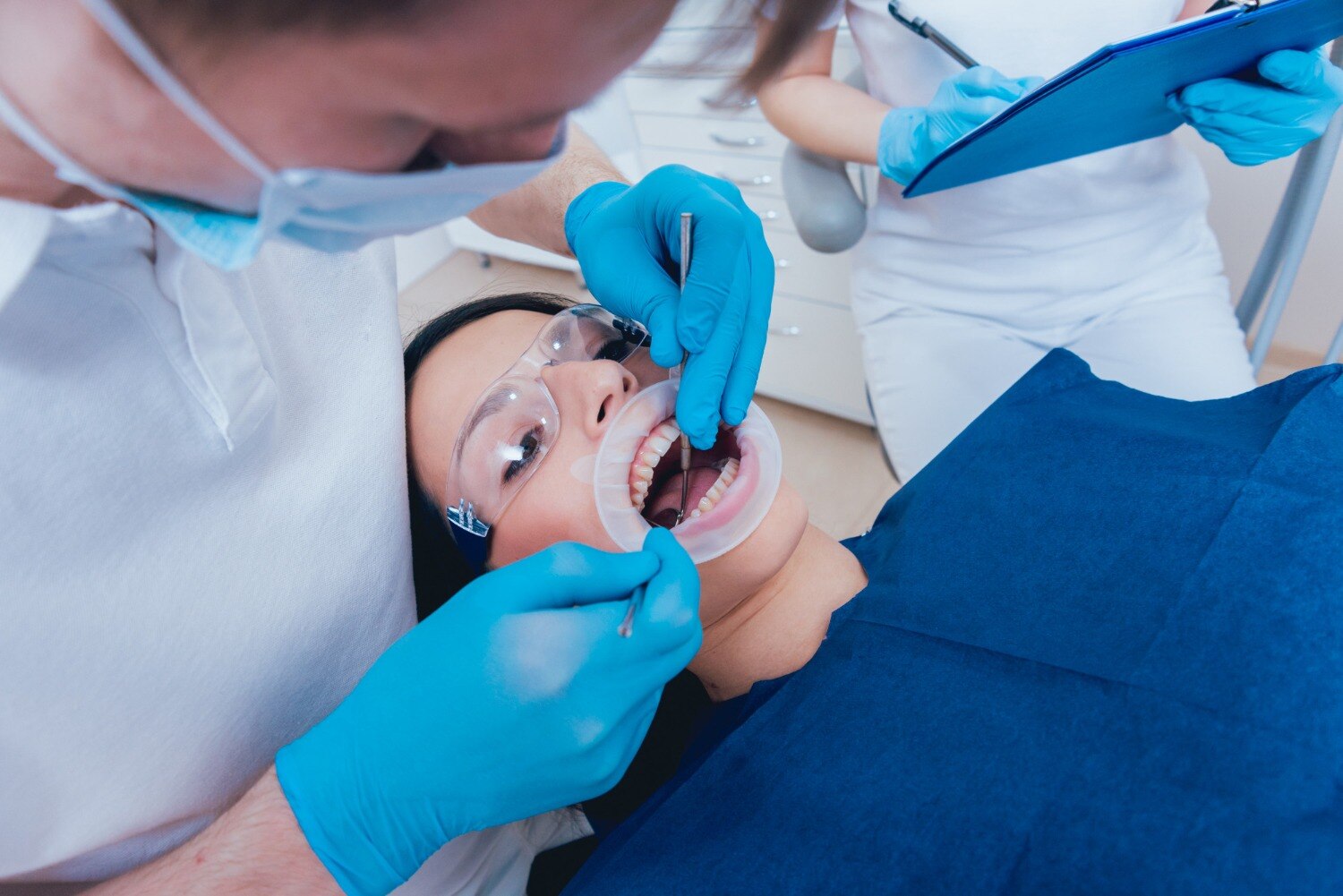
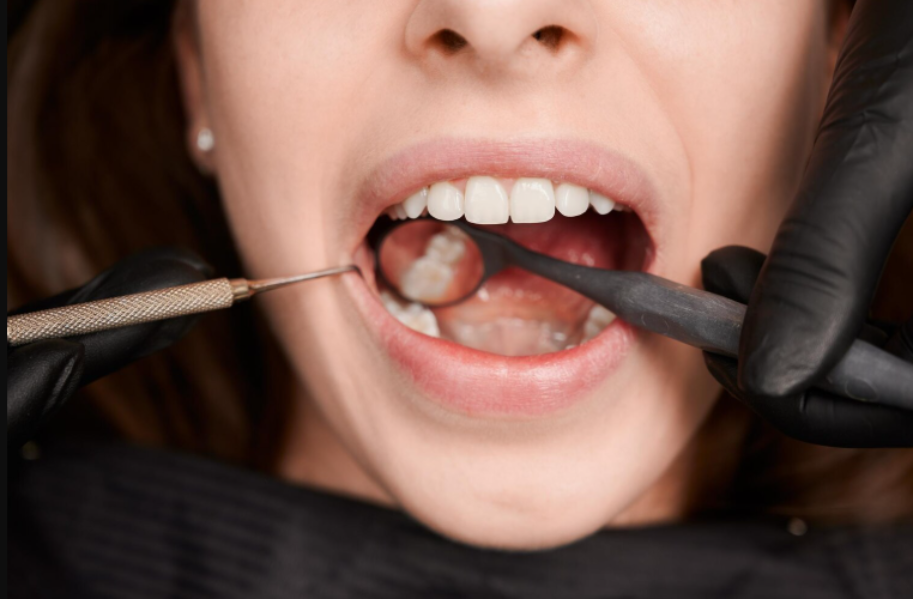
Molars handle substantial chewing forces, which makes preserving them desirable whenever a tooth can be restored predictably. However, severe decay, extensive structural damage, advanced infection, or certain periodontal problems can sometimes make extraction the more appropriate option. Molar Extraction refers to removing one of these back teeth after evaluating whether preservation remains feasible.
For patients in Delhi facing this decision, the key question is not simply whether the tooth hurts. The important issue is whether the molar has a reasonable long-term restorative outlook.
Why Might a Molar Need Extraction?
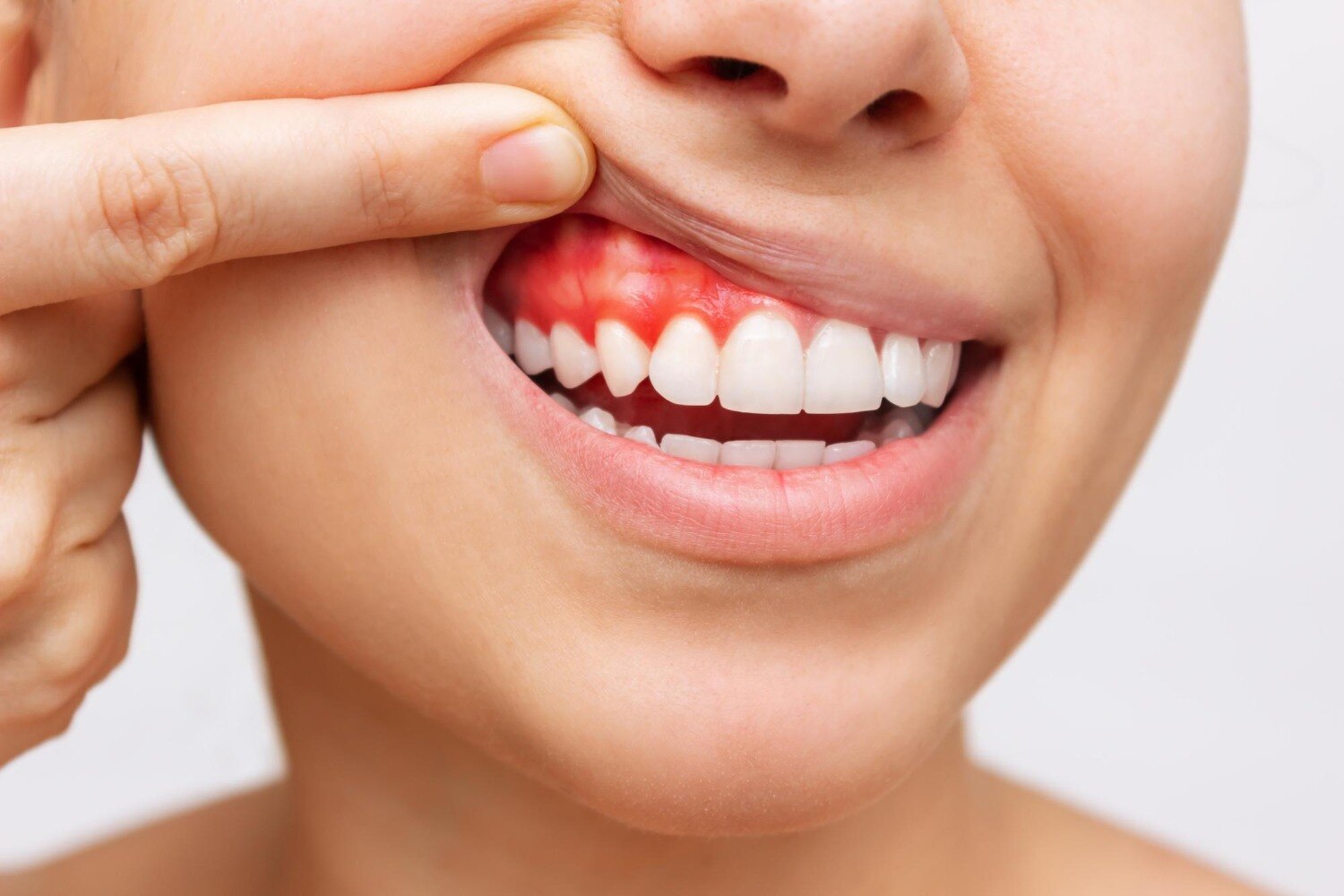
A dentist may consider removal when examination shows problems such as:
- Extensive decay below a restorable level
- Severe fracture
- Significant loss of supporting bone
- Advanced mobility from periodontal disease
- Infection involving a tooth that cannot be predictably restored
- Failed previous treatment with limited retreatment possibilities
- Structural damage that leaves insufficient tooth tissue
Extraction should generally follow appropriate clinical and radiographic evaluation.
Can the Tooth Be Saved Instead?
This should be discussed before a restorable molar is removed.
Depending on the diagnosis, alternatives may include a filling, crown, root canal treatment, periodontal therapy, or another restorative procedure.
Root canal treatment, for example, may preserve a tooth when infection involves the pulp but sufficient tooth structure and periodontal support remain.
Extraction becomes more relevant when the prognosis for maintaining the tooth is poor or when other suitable treatments are not feasible.
What Happens During Extraction?
The procedure varies according to the position and condition of the molar.
A straightforward extraction may be possible when the tooth is adequately accessible. Severely broken or difficult teeth may require a surgical approach.
Local anaesthesia is commonly used to control discomfort during the procedure. After removal, the body forms a blood clot within the socket as the initial stage of healing.
Patients receive instructions about eating, cleaning the mouth, activity, and protecting the extraction site.
What Happens to the Missing Tooth Space?
Removing a molar may affect chewing and, depending on the location and individual bite, neighbouring or opposing teeth over time.
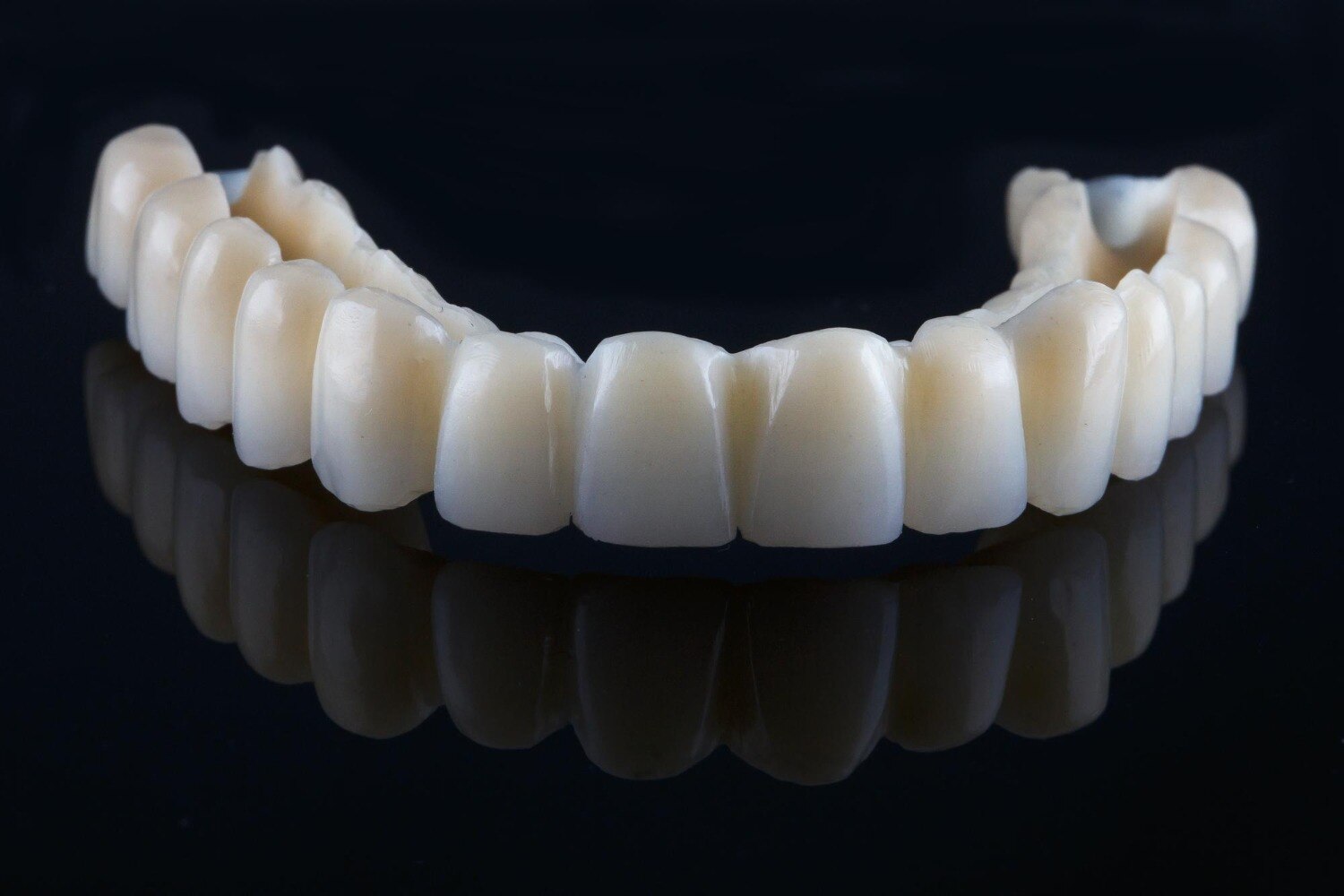
Possible replacement options can include a dental implant, bridge, or removable prosthesis. Not every extracted tooth requires the same replacement strategy, so this should be considered individually.
At AK Dental Superspeciality Clinic, patients in Delhi with badly damaged or painful molars can have the tooth, surrounding bone, gums, and available restorative options assessed before extraction is recommended.
For people across Delhi and the National Capital Territory, persistent molar pain, swelling, difficulty chewing, or a severely broken back tooth are reasonable signs to arrange an evaluation.
The objective should be to preserve a natural tooth when it has a suitable prognosis and to remove it when maintaining it would no longer provide predictable benefit. A diagnosis-based decision also allows patients to plan the next step, including healing, follow-up care, and tooth replacement when required.
Keywords