The right gum treatment depends on whether you have reversible gingivitis or periodontitis with attachment and bone loss. By the end, you will know how Delhi dentists diagnose each condition, what each treatment removes, when surgery or extraction enters the discussion, and which questions make clinic comparisons meaningful.
Key takeaways
- Ask for periodontal probing and X-rays before choosing gum treatment.
- Scaling treats plaque and tartar; deep cleaning targets deposits below the gumline.
- Medicines support treatment but cannot remove hardened tartar or rebuild lost bone.
- Compare specialist experience, diagnosis, follow-up and total cost—not the quoted fee alone.
How gum disease is diagnosed—and when symptoms need urgent care
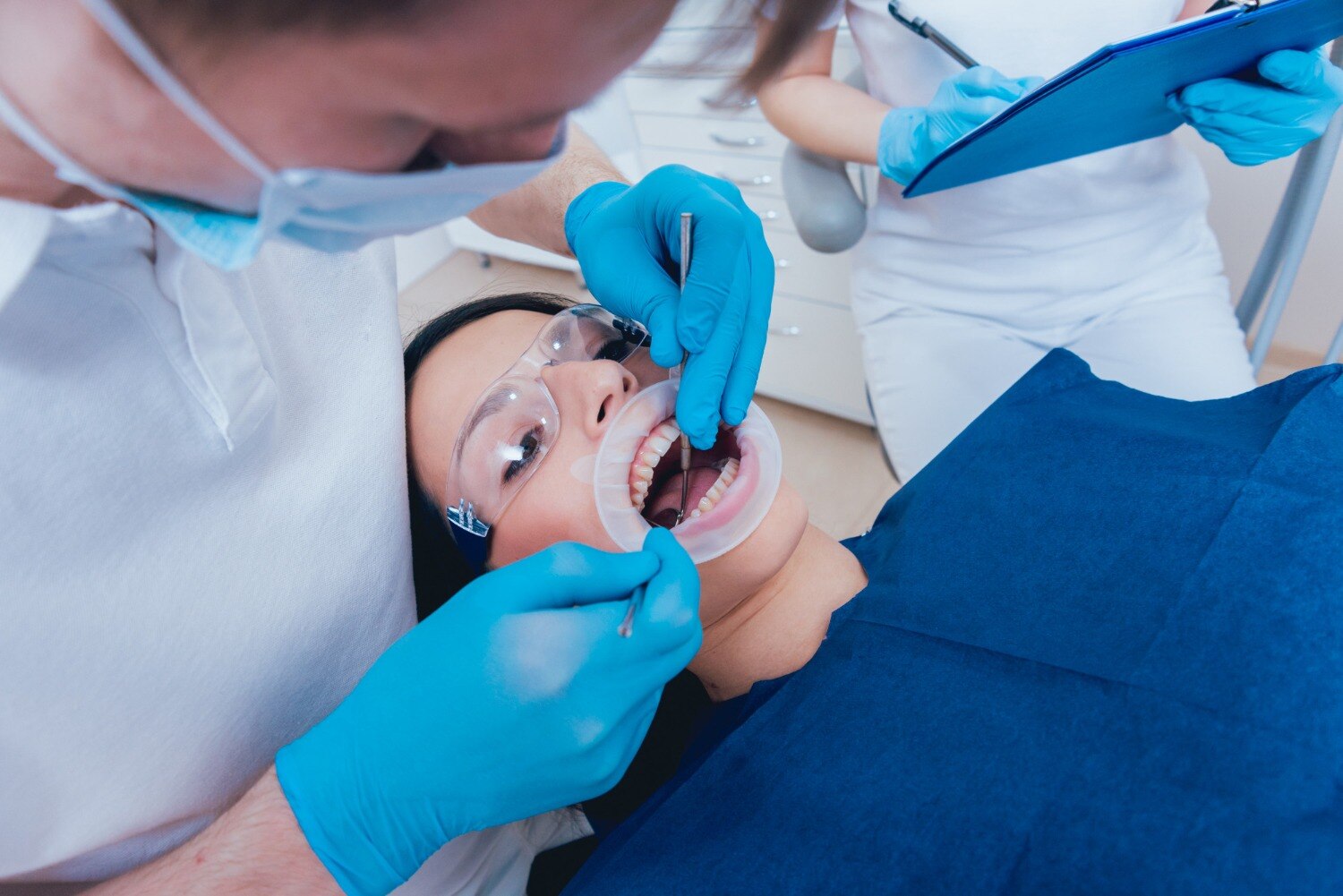
For gum treatment in Delhi, the key examination is periodontal probing, not a visual check alone. A dentist or periodontist records pocket depths around each tooth, bleeding points, gum recession, attachment loss and tooth mobility, then reviews dental X-rays for bone loss.
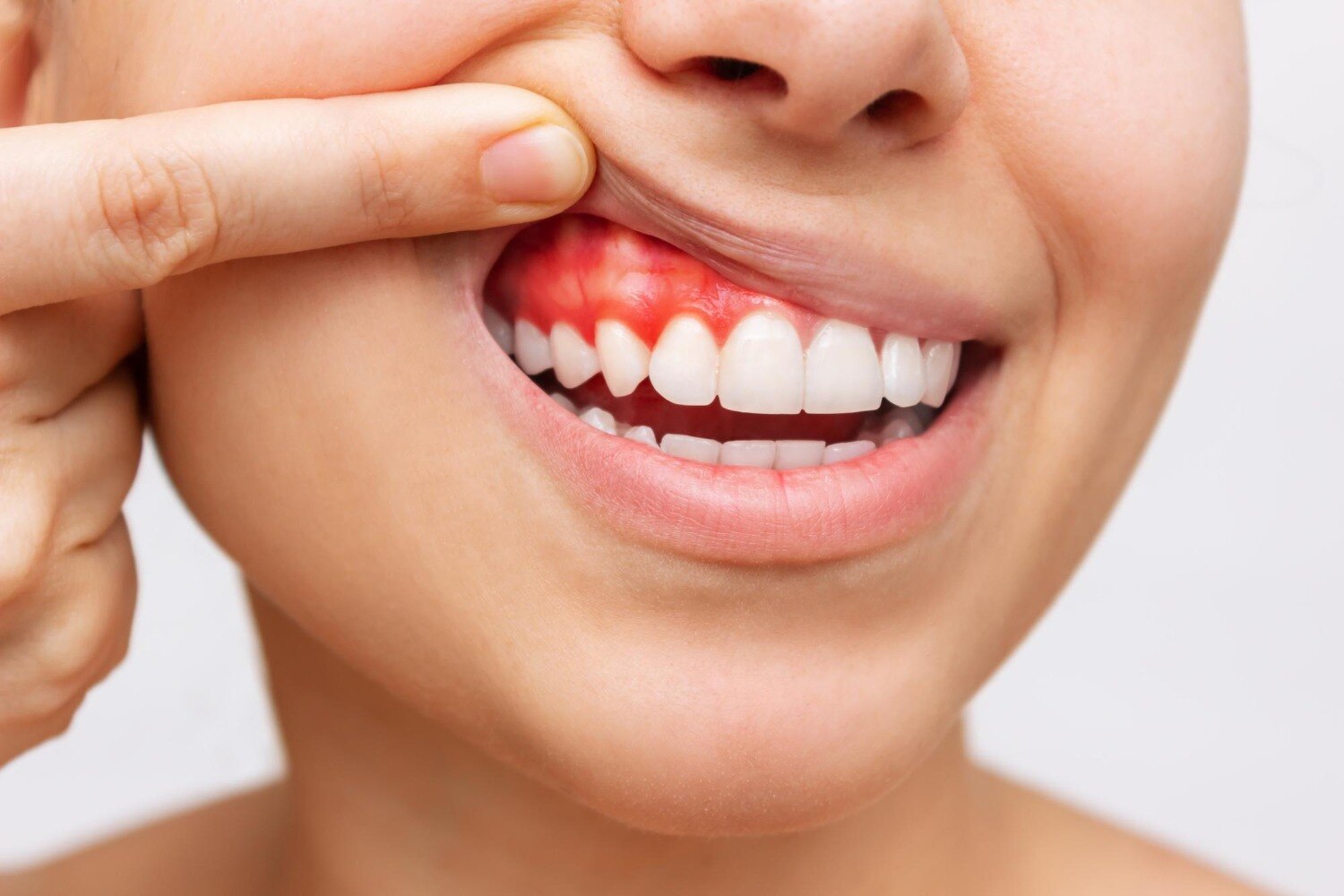
Gingivitis means inflamed gums without loss of supporting bone or attachment. Professional cleaning and better plaque control can often reverse it. Periodontitis causes attachment and bone loss; it needs periodontal treatment, reassessment and continuing maintenance.
Ask for these details before comparing treatment plans:
- The recorded pocket measurements and bleeding sites
- X-ray findings, including any bone loss
- Whether the diagnosis is gingivitis or periodontitis
- The proposed number of visits and the date for reassessment
- The recommended maintenance interval
Seek same-day urgent dental care for facial swelling, pus, fever, rapidly worsening pain, a very loose tooth, or difficulty swallowing. Difficulty breathing requires emergency medical care. Do not wait for a routine cleaning if swelling is spreading.
Bleeding during brushing alone usually warrants a prompt appointment rather than emergency care. Tell the clinician about smoking, diabetes, pregnancy, anticoagulants and medicines that cause gum enlargement; never stop a prescribed medicine yourself. A rinse, laser session or antibiotic does not replace probing and mechanical treatment when periodontitis is established.
Scaling, polishing and deep cleaning: which option fits your diagnosis?
Routine cleaning removes plaque and hardened calculus from accessible tooth surfaces above and below the gumline; polishing removes surface stains and leaves enamel smoother. It does not remove infected pocket lining or treat attachment and bone loss from periodontitis.
| Option | What it removes | What it feels like | Visits |
|---|---|---|---|
| Routine scaling and polishing | Plaque, calculus and surface stains | Scraping, vibration and brief sensitivity; usually no anaesthetic | Often one visit, followed by home-care advice |
| Scaling and root planing | Subgingival calculus, bacterial deposits and rough root surfaces inside deeper pockets | More tenderness and sensitivity; local anaesthetic can make treatment comfortable | One visit for limited areas, or several visits when teeth are divided into sections |
Routine cleaning fits gingivitis or shallow pockets that improve when plaque control improves. It is insufficient when probing shows persistent deeper pockets, bleeding, recession, mobility or bone loss; repeating a polish will not remove deposits hidden beneath the gum.
Scaling and root planing is the usual non-surgical option for established periodontitis, but it is not a guarantee of healing. A reassessment after healing shows whether pockets remain inaccessible or inflamed. Those sites can require pocket surgery, regenerative treatment or extraction if a tooth cannot be saved.
When comparing gum care options or gum disease treatment in Delhi, ask for recorded pocket depths, X-ray findings, the proposed visit count and the reassessment date. A quoted cleaning fee cannot show that two treatments are clinically equivalent.
What medicines and daily care can—and cannot—do
Antibiotics are not routine treatment for ordinary gum disease. A periodontist may add systemic or locally delivered antimicrobials to mechanical cleaning when infection is severe, rapidly progressing or persistent after cleaning; unnecessary use brings side effects and resistance.
Antiseptic mouthwash, especially chlorhexidine, is usually a short-term aid after surgery or when brushing is temporarily difficult. It does not remove calculus or replace brushing and interdental cleaning, and prolonged use can stain teeth and alter taste.
Daily care can control gingivitis and reduce inflammation, but it cannot remove hardened calculus, restore lost attachment or regenerate all bone damaged by periodontitis. For gum treatment in Delhi, disclose these factors before the plan is chosen:
- Smoking reduces blood supply and can impair healing and treatment response. Stopping tobacco improves the odds of stability.
- Diabetes, particularly with poor glycaemic control, increases periodontal risk. Coordinate dental care with diabetes management.
- Pregnancy changes timing and medication choices, but necessary dental treatment should not be delayed because of pregnancy.
- Anticoagulants, immune-suppressing drugs and medicines linked with gum enlargement can alter bleeding, healing or cleaning. Do not stop a prescription yourself; the dentist may coordinate with your physician.
- Crowded teeth, bridges, braces and implants create plaque traps. You may need an interdental brush, specific cleaning technique, professional maintenance or appliance adjustment.
If effective cleaning remains impossible, inflammation can return even after technically successful treatment.
When gum surgery, regeneration or extraction becomes necessary
If pockets remain deep after scaling and root planing, surgery may be needed to expose and clean root surfaces that instruments cannot reach. Reassessment should document probing depths, bleeding, mobility, recession, furcation involvement and radiographic bone loss; visual inspection alone cannot establish the right option.
| Option | What remains | What treatment does |
|---|---|---|
| Flap access surgery | Deep pockets or inaccessible roots | Lifts the gum, removes deposits under direct vision, reshapes irregular bone and closes the gum with sutures. |
| Regenerative treatment | A suitable, contained bone defect | Uses a membrane, graft material or biologic agent to encourage new attachment; it is not a reliable fix for generalized bone loss. |
| Resective treatment | Irregular bone or a furcation defect between molar roots | Removes infected tissue or reshapes bone to make the area cleanable. |
| Gum grafting | Recession with exposed, sensitive or difficult-to-clean roots | Adds tissue for coverage and protection; it does not reverse every cause of periodontitis. |
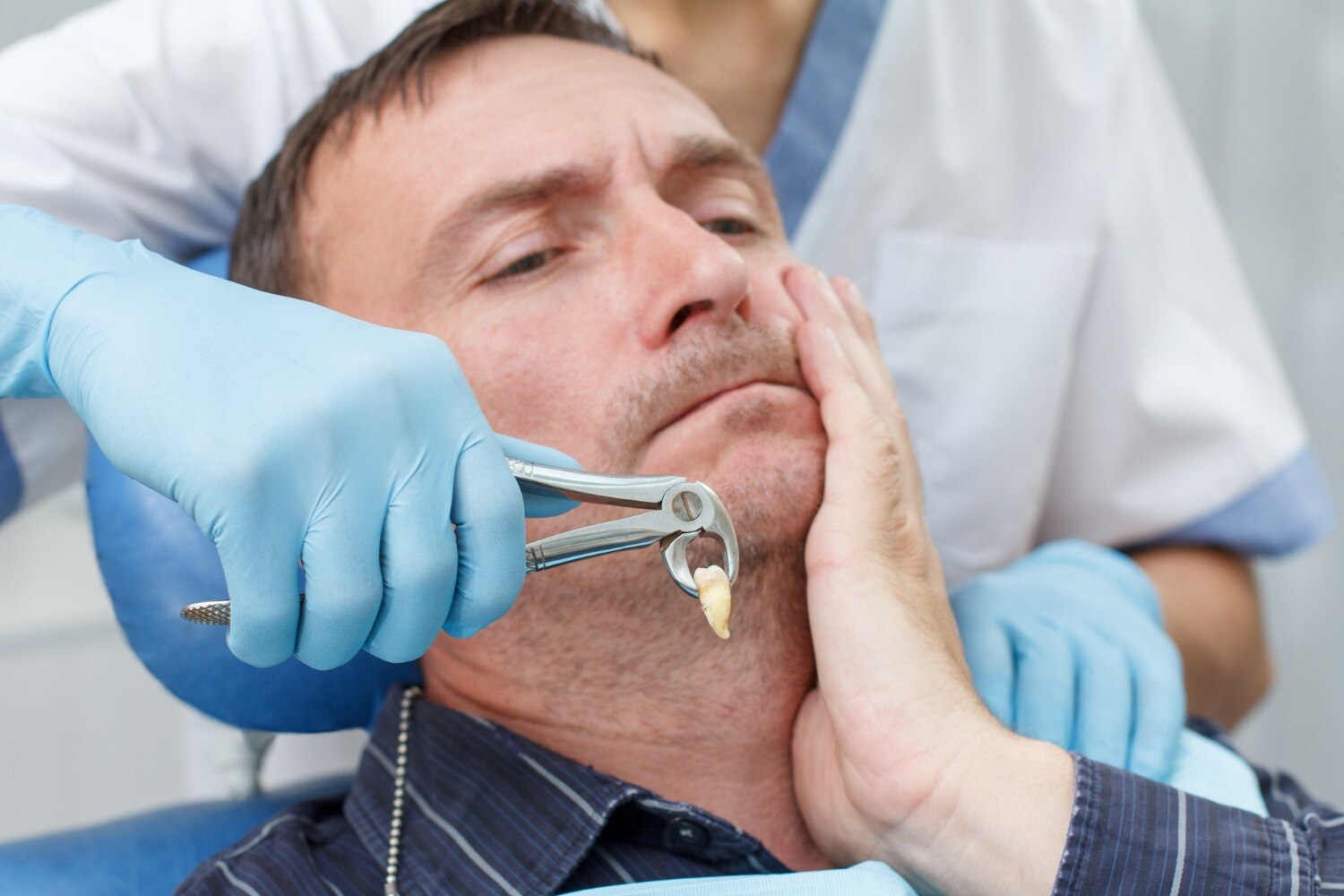
| Extraction | A tooth with severe bone loss, vertical root fracture, extreme mobility or too little sound structure | Removes the unsalvageable tooth and allows replacement planning. |
When comparing gum disease treatment in Delhi, ask what finding supports the proposed procedure, how many visits it needs and when reassessment will occur. Gum care options also require a maintenance interval. Delaying extraction can prolong infection and complicate later replacement, while antibiotics alone cannot repair lost attachment or bone.
How to compare a gum specialist and a Delhi clinic beyond the quoted fee
A low quoted fee is not a meaningful comparison if one clinic is pricing a cleaning and another is pricing periodontal therapy. Ask a gum specialist in Delhi for a written diagnosis, the measurements behind it, and the work needed to reach a defined result.
- Are pocket depths recorded around every tooth, with bleeding points, recession, mobility and furcation involvement noted?
- Which radiographs show bone loss, and which teeth have an uncertain prognosis?
- Is the plan routine cleaning, scaling and root planing, pocket treatment, surgery, regeneration, antibiotics or extraction? What makes that option appropriate?
- How many visits, anaesthetic appointments and recovery days are expected?
- When will reassessment occur, and what finding would trigger further treatment?
- What maintenance interval is recommended, and what home-care changes are essential?
- If you are considering implants, will active periodontitis be controlled first, and who will monitor peri-implant mucositis or peri-implantitis?
- Have you disclosed smoking, diabetes, pregnancy, anticoagulants, immune conditions, anxiety and medicines that affect healing or gum enlargement?
When gum treatment options compared in Delhi differ, compare the clinical stages rather than the procedure names. Ask whether laser treatment or a rinse is an adjunct; neither replaces examination and mechanical debridement. At AK Dental Superspeciality Clinic CGHS ECHS CBSE DU, use these questions to request a plan you can compare with another provider.
| Option | What to compare | Warning sign |
|---|---|---|
| Routine cleaning | Surface deposits and prevention | No pocket chart |
| Non-surgical therapy | Multiple visits and reassessment | “One session” promise |
| Surgery or regeneration | Defect, healing and follow-up | No maintenance plan |
| Implant planning | Disease control and lifelong cleaning | “Maintenance-free” claim |
Related service
Gum Treatment Healthy Gums, Healthy Smile! Bleeding gums, swollen gums, persistent bad breath, or loose teeth are often signs of gum disease that should never be... View service → |
Frequently asked questions
How is gum disease diagnosed, and when does it need urgent care?
Diagnosis uses periodontal probing, bleeding points, recession, attachment loss, tooth mobility and dental X-rays. Seek urgent care for facial swelling, fever, uncontrolled bleeding, severe pain or a loose tooth after injury.
What is the difference between scaling, polishing and deep cleaning?
Scaling removes plaque and tartar, polishing smooths tooth surfaces, and deep cleaning removes deposits below the gumline when periodontal pockets and inflammation require it.
Can medicines and daily gum care cure gum disease?
Medicines and daily brushing, interdental cleaning and prescribed rinses support treatment. They cannot remove hardened tartar or restore bone and attachment already lost.
When are gum surgery, regeneration or extraction necessary?
Surgery may be considered for persistent deep pockets. Regenerative procedures address selected bone defects, while extraction is considered when a tooth cannot be predictably saved.
Keywords