A removable partial denture can restore several missing teeth without implant surgery, but it asks you to accept daily removal, cleaning, and an adaptation period. By weighing stability, preparation, maintenance, cost, oral health, and your ability to manage the appliance, you can decide whether it suits your mouth and priorities.
Key takeaways
- Choose a partial denture when you want several teeth replaced without surgery.
- Healthy supporting teeth and gums are essential for a stable, comfortable fit.
- Compare daily removal with the fixed support of bridges and implants.
- Ask about adjustments, cleaning instructions, materials, and total treatment time.
When a partial denture is worth the trade-off
So, is a partial denture worth it in delhi? Yes, when you need several missing teeth replaced without surgery and accept daily removal, cleaning, movement, and adjustment. Partial dentures in delhi can improve appearance, speech, and chewing, but they will not feel or function exactly like natural teeth.
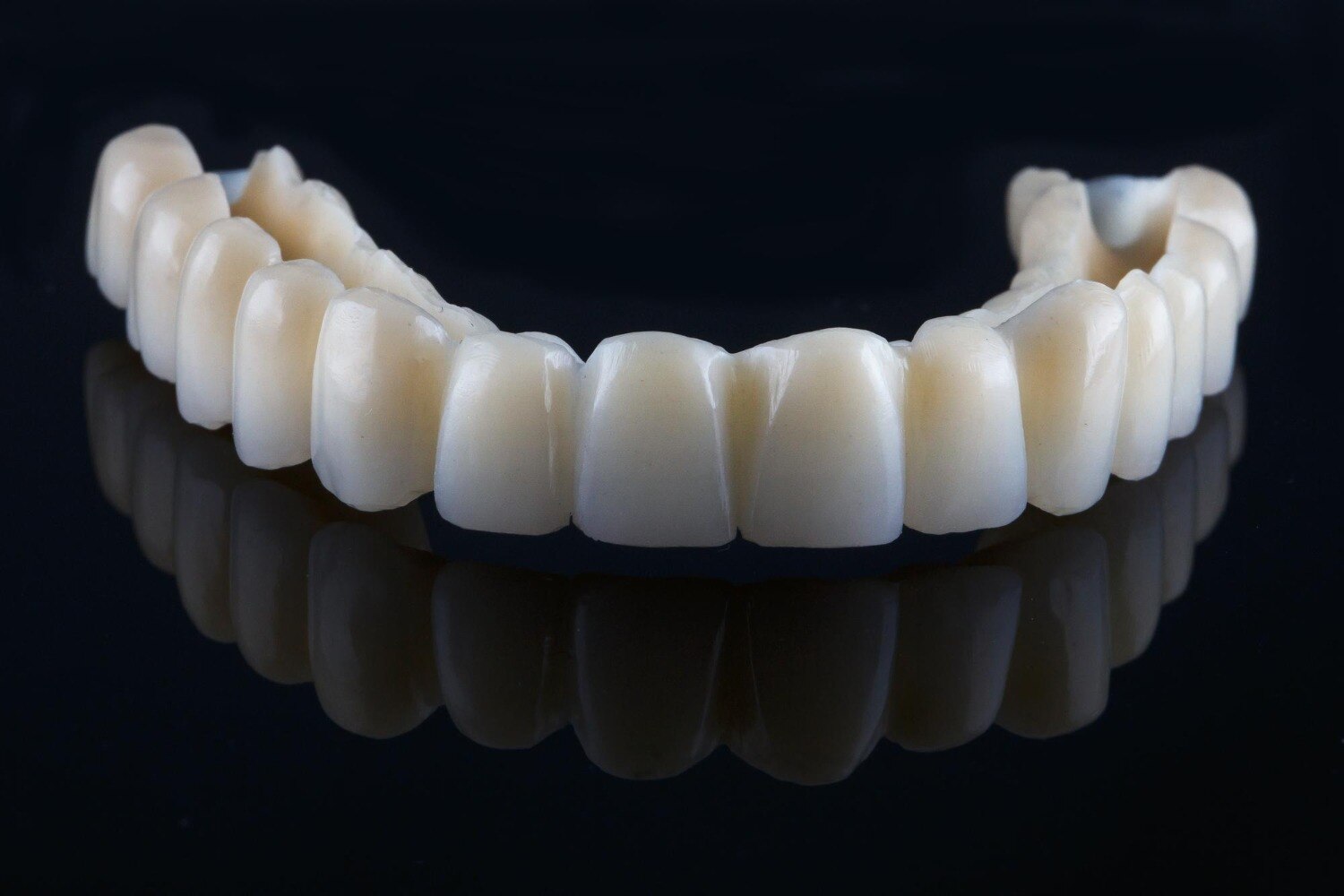
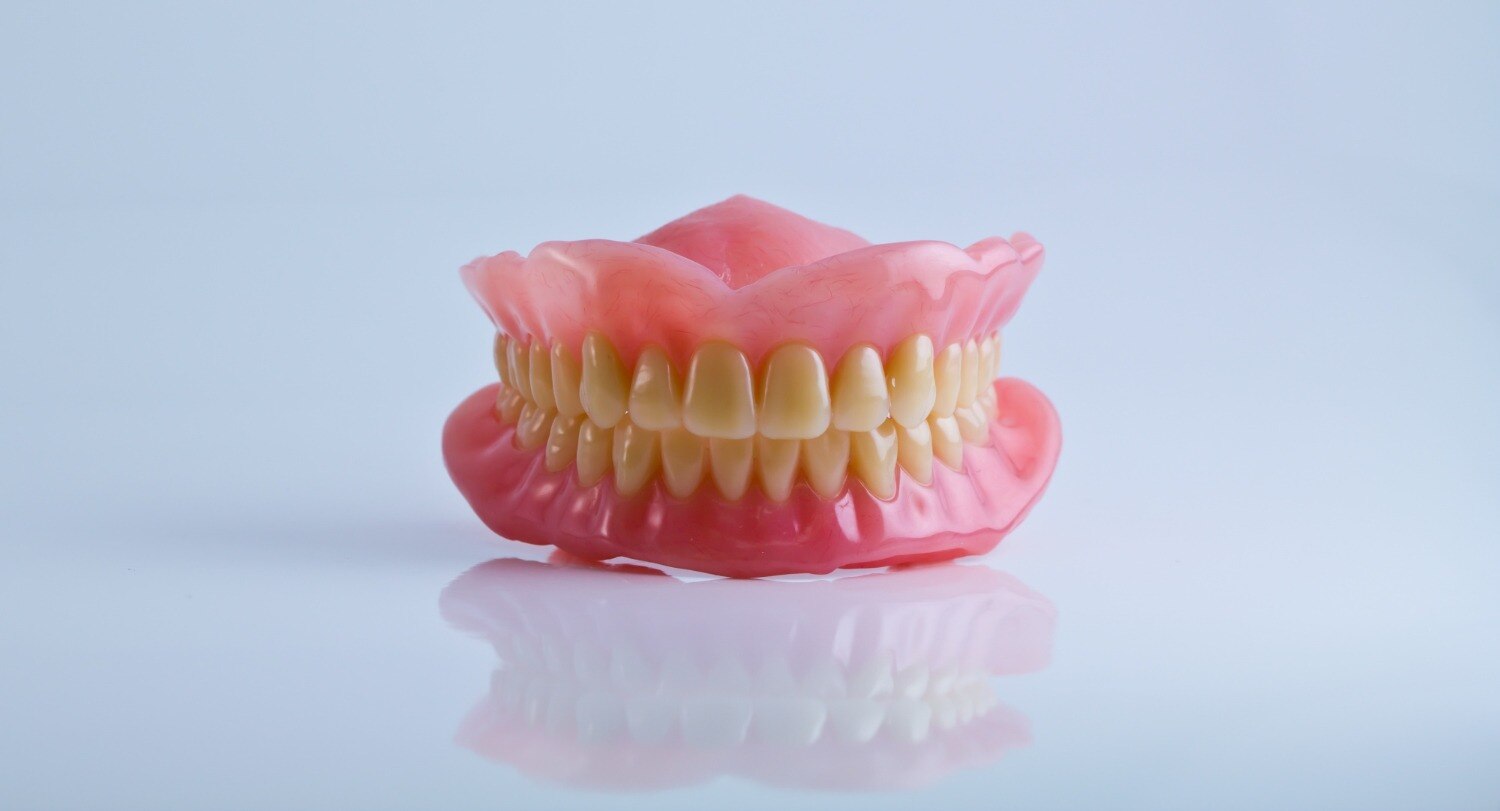
You receive artificial teeth fixed to a pink acrylic base or cobalt-chromium framework, with clasps or precision attachments for retention. The appliance gains support from your gums, remaining teeth, or both. Acrylic is often economical or transitional; cobalt-chromium is thinner and more rigid but needs careful planning and suitable supporting teeth.
Flexible material is not automatically better: repairs, relines, and adjustments can be harder.
| Option | Main advantage | Main trade-off |
|---|---|---|
| Partial denture | Non-surgical replacement for several spaces | Removable, bulkier, and less stable |
| Fixed bridge | No daily removal; good stability | Requires suitable neighbouring teeth and tooth preparation |
| Implant or implant-supported replacement | Root-like support and stronger stability | Surgery, healing, maintenance, and adequate bone |
| No replacement | No treatment burden today | Chewing, tooth position, bite, and bone changes can follow |
Choose a partial denture when lower complexity matters more than fixed stability. Avoid it if you dislike removing appliances or cannot clean and attend adjustments; persistent soreness, poor hygiene, or missed follow-up turns a practical option into a poor one.
How to tell whether your mouth can support one
A removable partial denture is suitable only when the missing teeth, supporting teeth, gums and bite can work together. The number and position of gaps matter: one-sided spaces, front-to-back gaps, or missing teeth in several parts of the mouth require different framework designs and support.
| Factor | What to check | Why it matters |
|---|---|---|
| Missing teeth | Number, position and whether gaps are on one side or several areas | Determines stability, support and framework design |
| Abutment teeth | Decay, cracks, looseness, bone support and ability to tolerate clasp forces | Weak teeth can worsen under denture loading |
| Gums and bone | Periodontal probing, mobility and gum inflammation; X-rays where indicated | Uncontrolled disease or poor bone support can cause pain, plaque retention and further tooth loss |
| Bite | Contact between upper and lower teeth and available space | An unstable bite can make the denture rock or overload remaining teeth |
Treat active decay, severely weakened or loose teeth, and uncontrolled gum disease before definitive construction. A periodontal evaluation and appropriate X-rays can reveal bone loss, hidden infection, root problems or teeth unsuitable as abutments.
You also need to manage the appliance every day:
- Remove it, brush it and rinse it after meals.
- Attend fitting, adjustment and review appointments.
- Accept possible clasp visibility, movement during chewing and bulk against the palate or gums.
If you cannot tolerate removable appliances, a partial denture may fail despite good clinical design. It replaces crowns, not tooth roots, so bone beneath the gap can continue remodelling and alter the fit. Poor design or hygiene can increase plaque, caries, gum disease and mobility in the remaining teeth.
Partial denture versus bridge, implant, or leaving the gap
A removable partial denture is usually less stable and less efficient for chewing than a fixed replacement, but it avoids surgery and often requires less tooth preparation. The right way to replace missing teeth in Delhi is to compare the compromises against your mouth, health, budget, time and priorities.
| Option | Stability, chewing and appearance | Treatment, maintenance and longevity | When it suits |
|---|---|---|---|
| Removable partial denture | Some movement and bulk; improves appearance and chewing but feels less natural. | No surgery; rests on gums and remaining teeth. Remove and clean daily; expect relining, repairs or replacement as the mouth changes. | Multiple spaces, different areas of the mouth, or a non-surgical, less complex route. |
| Fixed bridge | Stable and usually efficient for chewing; avoids daily removal and can look natural. | Needs suitable neighbouring teeth, which commonly require preparation. Clean under the bridge; lifespan depends on supports and hygiene. | One limited gap with strong abutment teeth. |
| Single implant crown | Root-like support, strong chewing and natural appearance. | Surgery, adequate bone, healthy soft tissues and healing are required. Smoking or poorly controlled systemic disease can affect treatment; maintenance continues. | A healthy site when you prioritise fixed stability and accept surgery and time. |
| Implant-supported bridge or overdenture | More stable than a conventional denture and improves chewing. | Requires implants, surgery, healing and specialised cleaning; components need maintenance and eventual replacement. | Several missing teeth when added stability justifies greater complexity. |
| No replacement | No treatment cost or healing; chewing and appearance may remain limited. | Tooth movement, bite changes and bone remodelling can develop. | Only after discussing functional and structural risks with a dentist. |
A partial denture does not replace a root, so bone beneath the gap can resorb and alter its fit. Choose after an examination, not from city-based claims or price alone.
What treatment, adjustment, and daily care actually involve
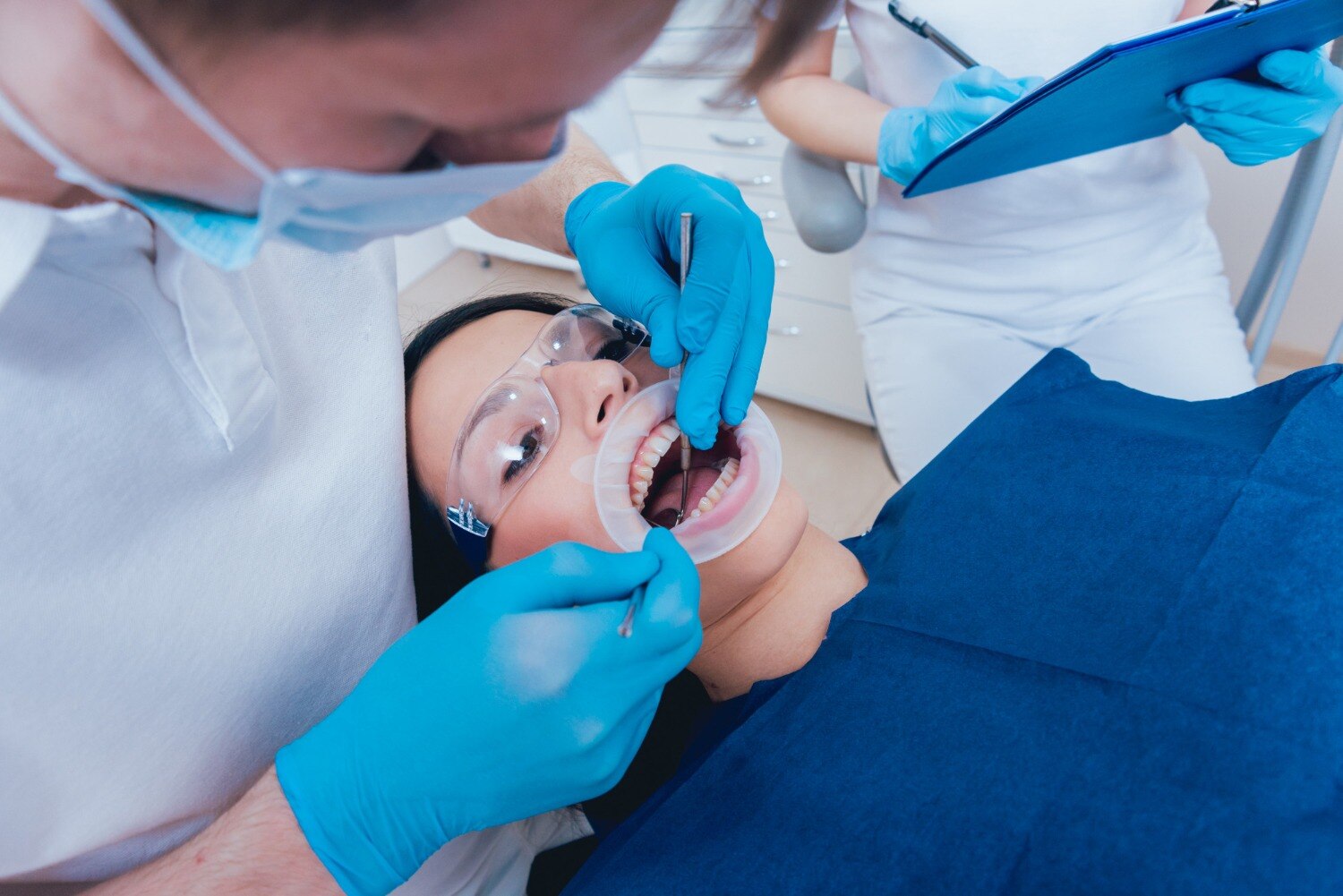
Your first visit determines whether removable partial teeth can be made safely and comfortably. The dentist examines the gaps, remaining teeth, gums and bite, and takes radiographs when decay, bone support, infection or root condition needs checking.
- Treat active decay or gum disease before construction; loose or weakened support teeth need assessment.
- Record the mouth with impressions or a digital scan, then register how the upper and lower teeth meet.
- Check the proposed design, including its acrylic base or metal framework, clasps or attachments, and artificial teeth.
- Try in the framework and teeth before final processing so the dentist can check appearance, speech, contacts and bite.
- Fit the completed appliance and mark pressure points. Return for adjustment if a sore area persists.
- Attend the delivery review and later examinations; changes in gums, bite, support teeth or fit can require adjustment, relining or a remake.
Extra saliva, altered speech, pressure spots and limited chewing are common while your tongue and muscles adapt. Practise speaking, start with soft food cut into small pieces, and do not endure ulcers or hide pain with adhesive.
Remove the appliance for cleaning, rinse it after meals, brush it with a denture brush, and soak it in an appropriate denture-cleaning solution. Avoid hot water, which can distort material, and abrasive household cleaners.
Unless your dentist says otherwise, remove it at night; clean your mouth and appliance separately, then store it away from pets and children. Clicking, looseness, pain or reduced chewing calls for review, not automatic abandonment.
How to choose a Delhi provider and judge the real value
Before accepting a plan, ask a partial denture dentist in Delhi to explain the design in your mouth, not just quote a package price.
- Who will examine your teeth, gums, bite, and bone support?
- Which remaining teeth will support the denture, and can they tolerate clasp or framework forces?
- Do you need radiographs, fillings, extractions, or periodontal treatment first?
- Is the design acrylic, cobalt-chromium, flexible, clasp-retained, or attachment-retained?
- What tooth reshaping, rests, or other preparation is required?
- Are try-ins, pressure-point adjustments, repairs, relines, and future replacement included?
- How often will the bite, fit, gums, and remaining teeth be reviewed?
Published prices alone mislead because laboratory design, preliminary treatment, and follow-up differ.
| Plan feature | Ask for | Why it affects value |
|---|---|---|
| Material | Acrylic or cobalt-chromium, and why | Changes thickness, rigidity, cost, and repair options |
| Retention | Clasps or attachments | Affects appearance, stability, and preparation |
| Aftercare | Adjustment, repair, and reline terms | Limits surprise costs and discomfort |
You can use a consultation at AK Dental Superspeciality Clinic on CGHS ECHS CBSE alongside other Delhi clinics by comparing its mouth-specific answers against this checklist, not promotional claims.
A partial denture is worth considering when lower complexity and broader suitability outweigh removable-appliance compromises, and only after examination confirms healthy supporting teeth and gums.
Related service
Partial Dentures Restore Your Smile with Comfortable & Natural-Looking Partial Dentures Missing one or more teeth can affect your confidence, speech, and ability to... View service → |
Frequently asked questions
When is a partial denture worth the trade-off?
A partial denture is worth considering when you need several missing teeth replaced without surgery and accept daily removal, cleaning, movement, and adjustments.
How can you tell whether your mouth can support a partial denture?
A dentist must assess your remaining teeth, gums, bite, jawbone, and ability to keep the denture and supporting teeth clean.
How does a partial denture compare with a bridge or implant?
A partial denture is removable and usually avoids surgery; a bridge is fixed but uses neighbouring teeth, while an implant provides fixed support through surgery.
What do treatment, adjustment, and daily care involve?
Treatment includes an examination, impressions or scans, a trial or fitting stage, follow-up adjustments, and daily removal for cleaning.
How should you choose a partial denture dentist in Delhi?
Ask about the dentist’s examination process, denture material, clasp or attachment design, adjustment policy, cleaning instructions, and complete treatment timeline.
Keywords