Choosing braces depends on more than how visible the appliance looks. You need to match the bracket system to the tooth movement required, confirm that your teeth and gums are healthy enough for treatment, and understand the time, maintenance and retention involved.
Key takeaways
- Metal braces suit complex movements and offer predictable control.
- Ask how bonding, adjustments, emergencies, retainers and follow-ups are priced.
- Expect brackets, archwire changes, hygiene guidance and retainers after active treatment.
- Compare orthodontist credentials, diagnostics, sterilisation and total treatment costs.
How fixed braces work and how the main options differ
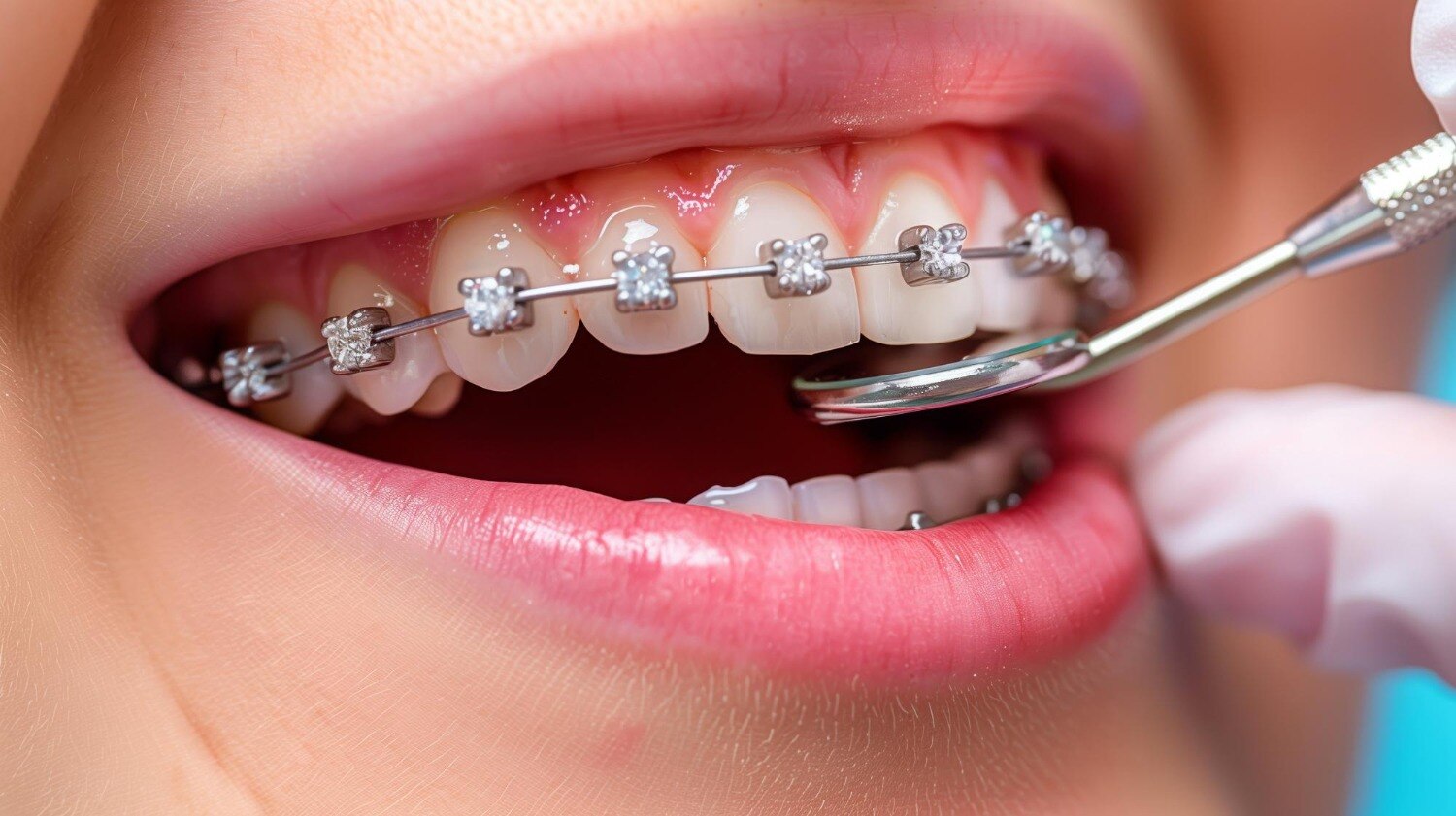
Fixed braces are brackets bonded to each tooth and joined by an archwire. Ligatures or built-in clips hold the wire in place; scheduled adjustments change its shape and tension, applying controlled force that moves teeth in three dimensions. Because the appliance stays attached, you cannot remove it for meals or brushing.
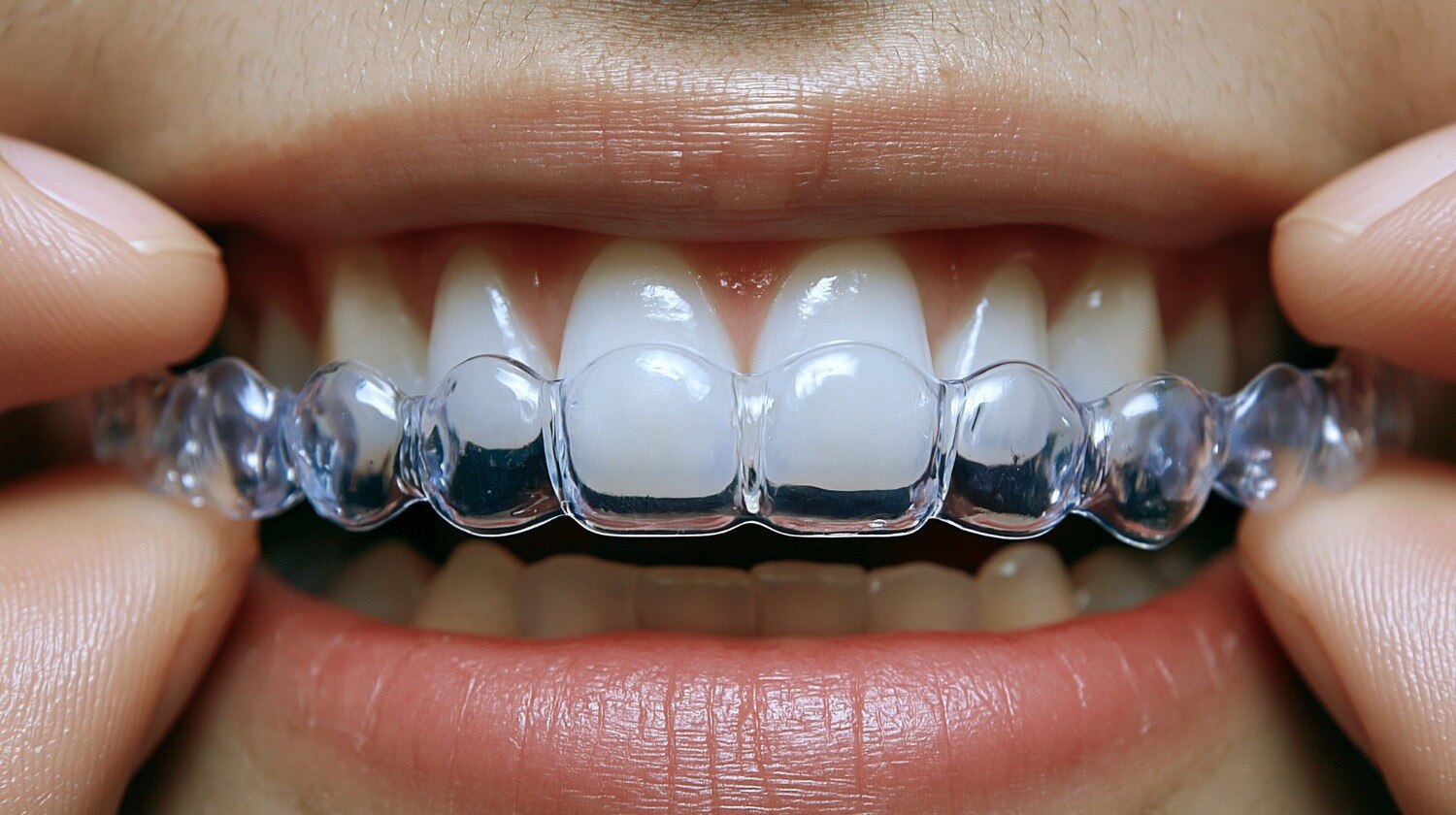
fixed braces in Delhi generally refers to these bonded appliances, while clear aligners are removable trays. Compare the main options this way:
| Option | Visibility | Durability and movement | Cleaning and speech |
|---|---|---|---|
| Metal braces | Most visible; metal braces in Delhi are the conventional choice | Strong brackets and wires suit precise, complex tooth and bite movements | Brush around brackets and wires; little speech change |
| Ceramic braces | Less noticeable tooth-coloured brackets, with a visible wire | Effective for many comprehensive cases, but brackets can chip or break more easily | Require careful cleaning; usually little speech change |
| Lingual braces | Placed behind the teeth and hidden from view | Fixed and capable of detailed movement, though access and case suitability vary | Harder to clean; tongue irritation and temporary speech changes are common |
| Clear aligners | Nearly invisible transparent trays | Work well for selected movements; complex cases need careful planning and prescribed attachments | Remove for eating and cleaning; speech can change briefly, and success depends on wearing them as instructed |
Fixed appliances demand more brushing skill, not less. Broken brackets, missed adjustment visits or poor elastic use can prolong treatment; aligners add the separate risk of inadequate daily wear. A consultation determines which appliance can deliver the required movement safely.
Which orthodontic problems can fixed braces address?
Fixed braces can treat crowding, gaps, rotated teeth and many bite problems by moving teeth into a healthier, more functional arrangement. They cannot fully correct a severe mismatch between jaw sizes in a non-growing adult; that situation needs assessment for combined orthodontic treatment and jaw surgery.
| Problem | What fixed braces can do | Important boundary |
|---|---|---|
| Crowding and spacing | Align overlapping teeth, close gaps and improve arch coordination | Extraction or expansion may be needed when space is severely limited |
| Rotated or protruding teeth | Turn teeth and control their position in three dimensions | Long-standing rotations can have a higher relapse risk |
| Overbite, underbite and crossbite | Move teeth to improve how the upper and lower arches meet | A skeletal underbite may involve the jaw, not only tooth position |
| Open bite and impacted teeth | Close selected open bites and help guide an impacted tooth into the arch | Surgery or additional appliances may be required |
Before recommending fixed orthodontic treatment in Delhi, an orthodontist examines more than visible crowding. Expect a review of:
- Bite, tooth positions, jaw relationship and facial growth
- Cavities, enamel condition and periodontal health
- Facial and intraoral photographs
- Dental impressions, study models or an intraoral scan
- A panoramic radiograph to assess roots, bone, missing teeth and impacted teeth
- A lateral cephalometric radiograph when jaw growth or anteroposterior relationships require measurement
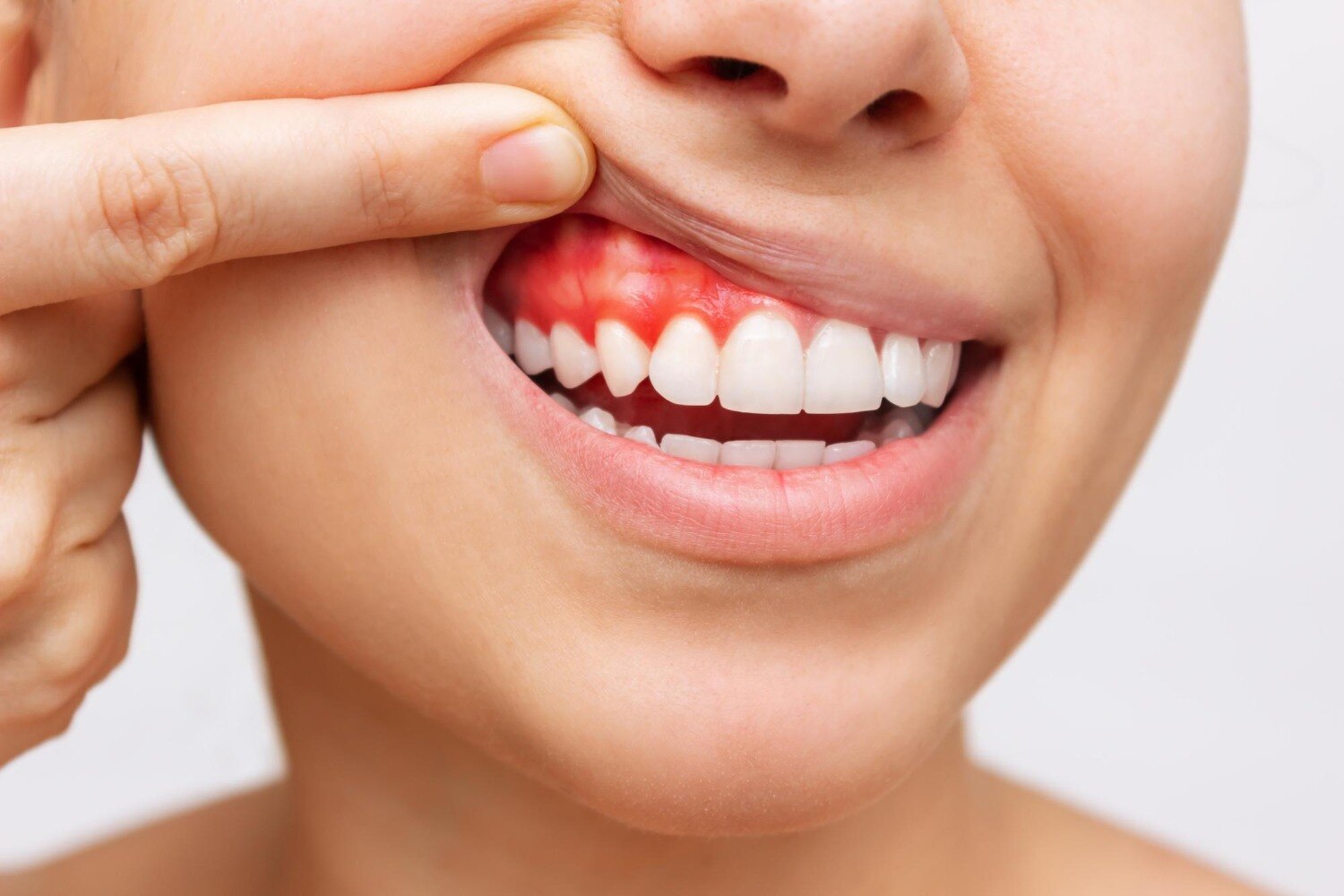
Active decay or uncontrolled gum disease must be treated before braces, because orthodontic forces can worsen weakened teeth and supporting tissues.
When fixed braces are the better choice
Choose fixed braces when tooth movement is complex, precise control matters, or removable trays would be easy to lose or underuse. Conventional metal braces in Delhi can move rotated teeth, close larger spaces and coordinate several teeth in three dimensions through bonded brackets and archwires.
Age alone does not rule out fixed orthodontic treatment in Delhi. Growing patients may benefit from treatment timed with jaw development, while adults can receive braces after an assessment confirms healthy teeth, bone support and gums.
Before fitting braces, treat problems that could worsen under orthodontic force:
- Active cavities, leaking fillings or untreated infection
- Bleeding, swollen or uncontrolled periodontal disease
- Poor cleaning that leaves heavy plaque around the gumline
- A severe jaw-size discrepancy that tooth movement alone cannot correct
A clinical examination should assess the bite, jaw relationship, facial growth and periodontal health, supported by photographs, scans or models, and radiographs when indicated. A non-growing adult with a major skeletal underbite or similar discrepancy may need combined orthodontic and jaw-surgery planning.
| Option | Better fit when | Main limitation |
|---|---|---|
| Fixed braces | Complex movements, impacted teeth or unreliable aligner wear | Appliance stays on and demands careful cleaning |
| Clear aligners | Mild-to-moderate movements and strong daily compliance | Progress suffers when trays are not worn as prescribed |
| Jaw surgery with orthodontics | Severe adult jaw discrepancy | Involves surgery, recovery and coordinated planning |
What treatment involves from bonding to retainers
Treatment begins with cleaning and drying each tooth, applying brackets with dental adhesive, and connecting them with an archwire held by ligatures or clips. The wire delivers controlled force; appointments every 4 to 8 weeks allow the orthodontist to change or adjust it.
| Stage | What happens | Typical timing |
|---|---|---|
| Bonding | Brackets and the first archwire are fitted; pressure or soreness can last several days. | One appointment |
| Active movement | Wires are replaced or adjusted, and elastics or other auxiliaries are added when needed. | About 18 months to 2 years |
| Finishing | Small tooth and bite corrections are made before removal. | Final few visits |
| Removal and retention | Brackets come off, teeth are cleaned, and removable, fixed, or both types of retainers are fitted. | One removal visit, then follow-ups |
Simple alignment can finish sooner, while severe crowding, impacted teeth or complex bite correction can take longer. Retention is part of treatment: teeth can drift after braces, so many people wear retainers indefinitely.
Your schedule can extend when you:
- Miss adjustment appointments or stop wearing prescribed elastics.
- Break brackets or bend wires by eating hard, sticky foods or chewing pens.
- Allow plaque, cavities or gum inflammation to develop, forcing pauses for dental treatment.
- Lose a retainer after removal and delay replacement.
Ask for the estimated duration, visit interval and retainer plan in writing before starting.
How to compare a braces clinic and the complete treatment cost
A low fitting quote does not show the complete treatment cost. Ask every braces clinic in Delhi for a written plan that separates included fees from conditional charges.
| Cost line | What the plan should specify | Why it affects the total |
|---|---|---|
| Records | Consultation, photographs, study models or intraoral scans, and radiographs such as panoramic or cephalometric views when indicated | Missing records can appear as later charges |
| Active treatment | Brackets, archwires, adjustments, scheduled visits and the estimated treatment period | A fitting-only quote may exclude follow-up visits |
| Additional procedures | Extractions, space creation, interproximal reduction, elastics and auxiliary appliances | These can be needed after assessment of the bite and jaw relationship |
| Hygiene support | Brushing instructions, cleaning aids, fluoride advice and checks for decay or gum inflammation | Poor cleaning can cause white-spot lesions, cavities or treatment delays |
| Repairs | Broken brackets, loose wires, replacement parts and emergency appointments | Damage from hard or sticky foods can add visits and fees |
| Retention | Removable or fixed retainers, fitting, adjustments and replacement terms | Teeth can drift after active treatment, so retention is part of the cost |
Ask whether the quoted fee changes if treatment takes longer, and whether active decay or gum disease must be treated before bonding. Healthy supporting gums matter at every age.
When reviewing a plan from AK Dental Superspeciality Clinic on CGHS ECHS CBSE, use the same checklist and request each exclusion in writing. Compare the total pathway, not the lowest advertised starting figure.
Related service
Fixed Ortho Treatment(Braces) At AK Dental Multispeciality Clinic, we provide comprehensive fixed orthodontic treatment using high-quality braces to correct crooked teeth, bite... View service → |
Frequently asked questions
How do fixed braces work?
Brackets bonded to each tooth hold an archwire that applies controlled force, moving teeth in three dimensions. Ligatures or clips secure the wire.
Which orthodontic problems can fixed braces address?
Fixed braces can correct crowding, spacing, rotated teeth, overbites, underbites, crossbites and other alignment or bite problems after an orthodontic assessment.
When are fixed braces better than removable aligners?
Fixed braces are often the better choice when treatment needs precise control, substantial tooth movement, bite correction or reliable wear without patient removal.
What happens during fixed orthodontic treatment?
Treatment usually includes examination and records, bracket bonding, archwire adjustments, hygiene reviews, bracket repairs when needed, appliance removal and retainers.
How should you compare braces clinics and treatment costs in Delhi?
Ask for a written plan covering diagnostics, appliance type, adjustment visits, repairs, retainers and post-treatment reviews, then compare the orthodontist’s experience and clinic standards.
Keywords