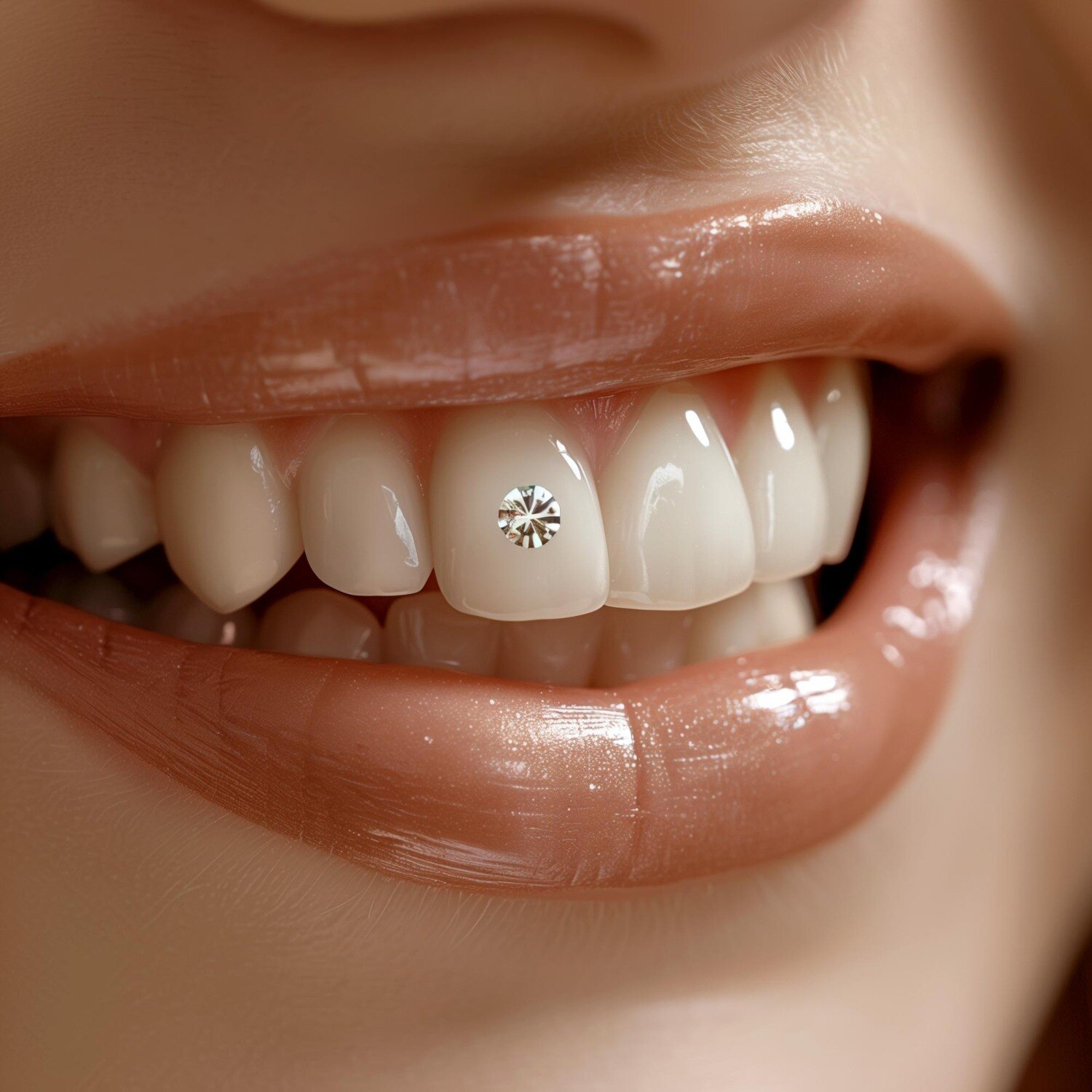
A tooth gem is a small crystal, gem or decorative attachment bonded to the visible surface of a tooth, but the fitting is not simply a beauty appointment. You need to know whether your enamel is suitable, how the attachment is placed, what questions to ask a Delhi clinic and how to protect the tooth afterwards.
Key takeaways
- Choose clean, sound enamel away from gums and spaces between teeth.
- Ask the dentist about bonding materials, removal, repairs and cleaning instructions.
- Book a consultation before fitting if the tooth has decay, cracks or restorations.
- Brush normally and avoid picking at the gem or biting hard foods.
Which tooth is suitable for dental jewellery placement?
Usually, a suitable tooth has clean, sound natural enamel on its visible front surface. The site should sit away from the gum margin and spaces between teeth, where plaque and food collect and cleaning becomes difficult.
Before accepting dental jewellery in Delhi, the dentist should examine the tooth and surrounding gums for:
- Cavities, enamel defects or cracks
- Heavy plaque or gum disease
- Existing crowns, veneers or fillings
- Pain, swelling, spontaneous bleeding, persistent bad breath, looseness or a visible cavity
A gem does not repair a chipped, painful, loose, discoloured or decayed tooth. Treat the underlying problem first.
| Surface | Usual suitability | Why assessment matters |
|---|---|---|
| Natural enamel | Preferred bonding surface | The dentist checks its strength, cleanliness and position |
| Crown | Case-by-case | Bond strength and the risk of damaging the restoration differ from enamel |
| Veneer | Case-by-case | Removal or bonding can chip, mark or loosen the veneer |
| Filling | Case-by-case | The material and edge shape affect retention and repair risk |
Braces can make an ornament interfere with tooth movement, while aligners may require its removal or make cleaning harder. Ask your orthodontist before booking.
Avoid placing jewellery close to the gum: its edge can trap plaque and contribute to gingival inflammation. Tell the dentist about enamel sensitivity, allergies and clenching or grinding before choosing a site.
What happens when a dentist fits a tooth gem?
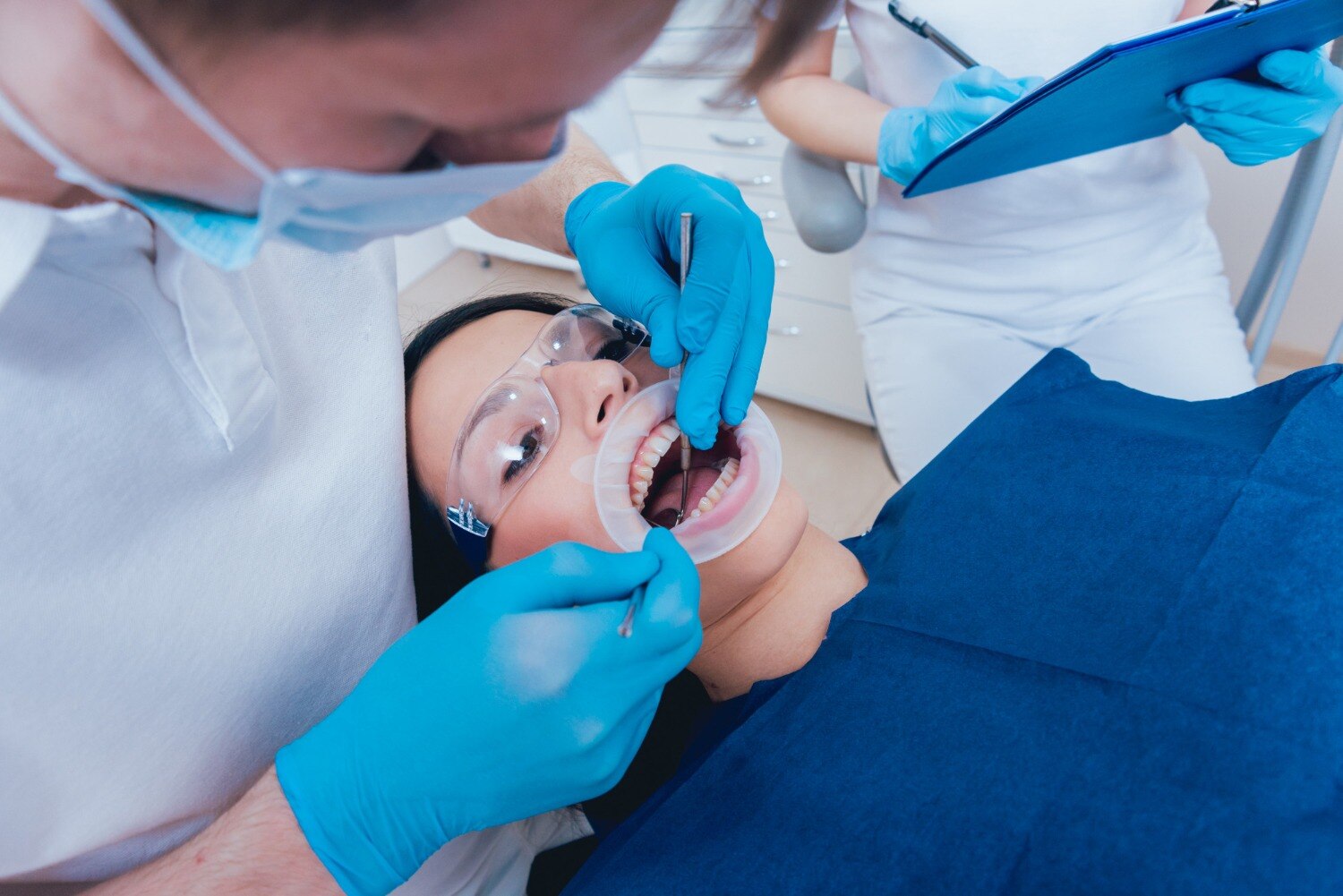
A straightforward fitting usually starts with a dental examination, not gem selection. The dentist checks the tooth and surrounding gum, cleans the tooth, and confirms that the planned site is suitable. Many cases finish in one visit, but timing depends on the examination, cleaning, design choice and number of teeth.
- The dentist isolates the tooth with cotton rolls, suction or another barrier so saliva does not wet the enamel.
- The enamel is cleaned and surface-prepared to help the adhesive bond.
- A dental bonding agent is applied.
- The gem is positioned and checked for alignment.
- A dental curing light hardens the bonding material.
| Method | What happens | What you should confirm |
|---|---|---|
| Adhesive bonding | The gem is attached to the front enamel surface, usually without making a hole. | Ask which bonding system is being used. |
| Drilling | A hole or altered surface is created in the tooth. | Ask why this method is proposed and what it changes. |
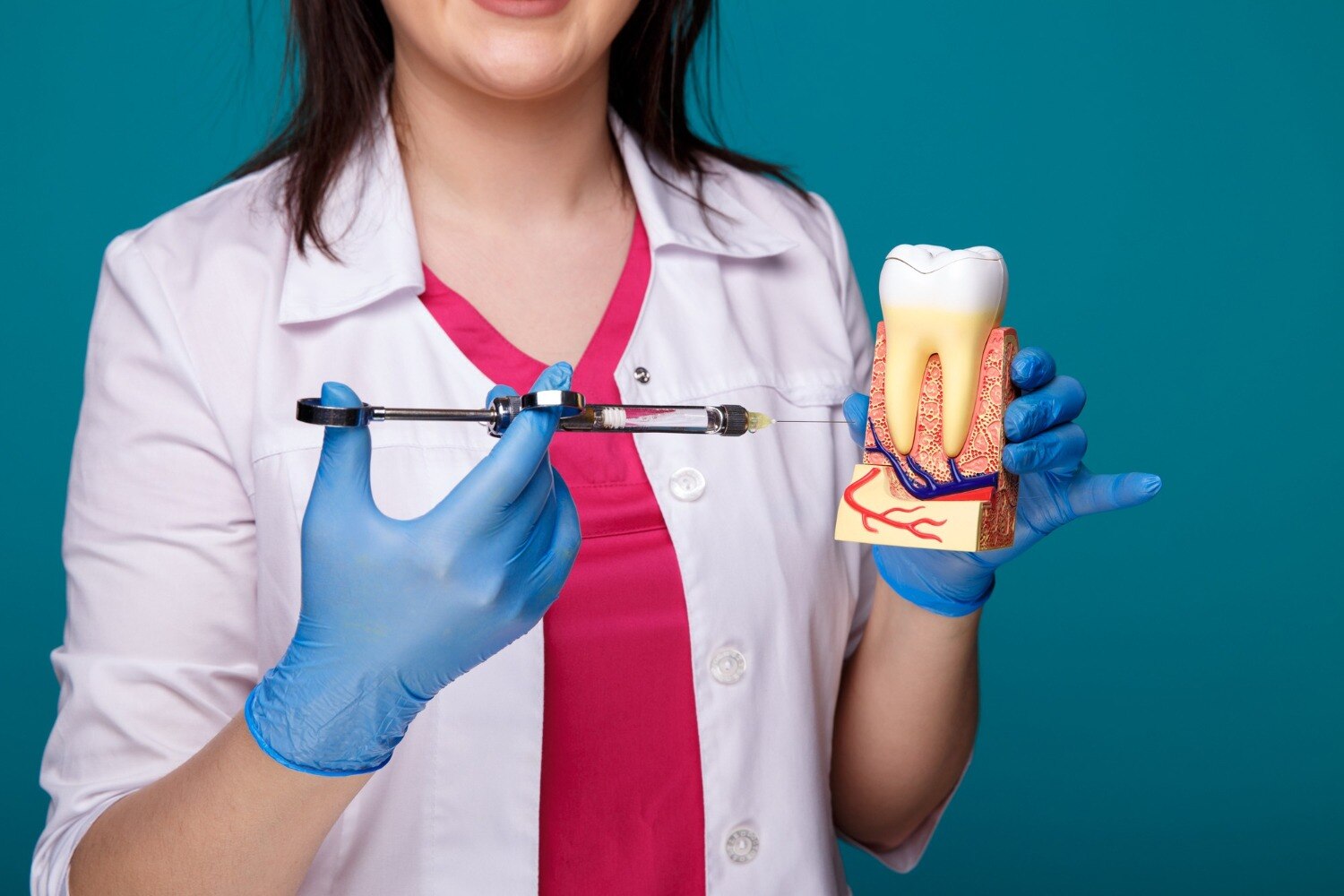
| Injection | Local anaesthetic is delivered with a needle. | Ask whether an injection is necessary for the planned technique. |
The usual technique for tooth jewellery in Delhi is adhesive bonding rather than drilling, and straightforward bonding normally does not require injections. Confirm the exact method before treatment.
Ask whether instruments are sterilised or single-use, and how the gem is disinfected. Ask which material is used for the gem, backing and adhesive, and where those details appear in the treatment record or packaging. Before leaving, check that the attachment has a smooth edge that will not rub your lip, cheek or tongue.
How should you choose a Delhi clinic and book the fitting?
Choose a clinic that treats dental jewellery as a dental procedure, not a quick cosmetic application. Before you book dental jewellery in Delhi, confirm that a licensed dentist will perform the bonding and that the examination is included. The dentist should check enamel, gums and restorations before accepting the case.
| Dentist-led clinic | Salon or unexamined provider |
|---|---|
| Examines enamel, gums and crowns, veneers or fillings | Applies the ornament without checking the tooth |
| Identifies the gem and dental adhesive | Cannot or will not identify the adhesive |
| Explains loosening, removal and follow-up | Offers no clear repair or removal plan |
| Records the treatment details | Provides an informal cosmetic service |
Ask these questions before paying a booking fee:
- Which tooth surface will you use, and why is that site suitable?
- Which gem, backing material and dental adhesive are planned?
- How long is the wear expected to last?
- What should I do if the gem loosens or falls off?
- Is professional removal included in the quoted fee, or charged separately?
- Will you check cavities, cracks, plaque, gum disease and existing restorations first?
AK Dental Superspeciality Clinic on CGHS ECHS CBSE is one place you can contact for a dental consultation and use this checklist before booking.
A salon or provider offering immediate application without examining the tooth, explaining removal or naming the adhesive is not offering the same safeguards as dentist-led bonding. Choose the consultation, not just the design.
Related service
Dental Jewellery Add a Sparkle to Your Smile with Safe & Professional Tooth Jewellery Your smile is one of your most beautiful features—why not make it shine even... View service → |
How long does tooth jewellery stay on, and how do you care for it?
A tooth gem does not have a guaranteed permanent bond. Retention is temporary and variable: it depends on the bonding surface, adhesive protocol, biting forces, hard foods, clenching or grinding, and oral hygiene. Tooth jewellery in Delhi should be described with an expected range only after the dentist assesses these factors.
Do not bite directly on the ornament. Take care with hard foods such as ice, nuts and hard sweets, and sticky foods such as toffee, which can pull at the gem or its adhesive edge.
Keep cleaning as normal. Brush twice daily with fluoride toothpaste, then clean carefully around the gem because its edges can trap plaque and food debris. A gem placed close to the gum can make cleaning difficult and contribute to gum inflammation.
Use this action plan if the attachment loosens or falls off:
- Save the gem if you can, place it in a clean container and contact the clinic.
- Never reattach it with superglue, nail glue or any household adhesive.
- Report a sharp edge, lip or tongue irritation, gum bleeding or persistent soreness.
- Arrange review if the attachment makes brushing or flossing harder; do not wait for worsening irritation.
A dentist can check whether adhesive remains, whether the enamel or gum is affected and whether safe removal or replacement is appropriate.
Why professional bonding matters for materials, removal and repairs
A dentist can identify whether the ornament will be bonded to natural enamel, a crown, veneer or filling. Bond strength and damage risk differ across these surfaces, so the clinician can select a dental adhesive intended for that surface, keep the area clean and dry, and check the edges before you leave.
| Approach | What it involves | Main concern |
|---|---|---|
| DIY kit or household glue | Nail glue, superglue or an unidentified adhesive | No assessment of the tooth, material safety or removal method |
| Salon-applied accessory | Cosmetic placement without dental examination | The provider may not recognise decay, restorations or gum problems |
| Dentist-led bonding | Documented surface, dental adhesive and controlled placement | Requires an examination and professional removal if needed |
Do not assume that a crystal, metal ornament, backing or adhesive is harmless. Ask for the material name, allergy information, and where it is recorded: the treatment notes or the product packaging.
Removal belongs with a dental professional using dental instruments and polishing methods. Picking, scraping or pulling can damage enamel or leave adhesive behind; home repair with superglue or nail glue adds another risk.
Before you book dental jewellery in Delhi, ask:
- Will a licensed dentist perform the fitting?
- What happens if the gem loosens?
- Is removal included in the quoted fee?
- How will the material and adhesive be documented?
Choose dentist-led fitting when you want the tooth assessed, materials recorded, loose-gem instructions and a safe removal route. The ornament is cosmetic; it does not strengthen, protect or replace treatment for the tooth beneath it.
Frequently asked questions
Which tooth is suitable for dental jewellery placement?
A suitable tooth has clean, sound natural enamel on its visible front surface, away from the gum margin and spaces between teeth.
What happens when a dentist fits a tooth gem?
The dentist examines the tooth, cleans and prepares the enamel, then bonds the jewellery to the surface without drilling the tooth.
How should you choose a Delhi clinic and book the fitting?
Choose a clinic that explains the material, bonding process, aftercare, removal and repair options, then book a consultation before fitting.
How long does tooth jewellery stay on, and how do you care for it?
Duration depends on bonding and daily habits. Brush around the gem, clean plaque carefully and avoid picking or biting hard objects.
Why does professional bonding matter for materials, removal and repairs?
Professional bonding helps protect enamel, uses suitable dental materials and gives you a controlled process for removal or repair.
Keywords