A Delhi crown quote is useful only when it identifies the ceramic system, the tooth preparation, laboratory work, temporary crown, cementation and follow-up included in the price. By the end, you will know how to compare an all-ceramic crown with zirconia and other treatments, estimate the likely number of visits, and book after checking whether the tooth is ready for a crown.
Key takeaways
- Budget ₹8,000–₹30,000 per tooth at a private Delhi clinic.
- Ask whether the quote includes scans, temporary crowns, cementation and follow-up.
- Choose zirconia for strength; choose layered ceramic for demanding front-tooth appearance.
- Confirm the dentist’s diagnosis before booking a crown instead of a filling or onlay.
What an all-ceramic crown costs in Delhi and what the quote includes
Budget roughly ₹8,000–₹30,000 per tooth at a private Delhi clinic. This is a practical estimate, not a regulated citywide tariff. Clinics commonly quote per tooth, so the phrase “all ceramic crown cost in Delhi” has meaning only when both estimates describe the same treatment.
Ask for a written estimate that separately identifies:
- Consultation and examination
- X-rays
- Decay removal
- Core build-up or post
- Tooth preparation
- Digital scan or impression
- Temporary crown
- Laboratory fabrication
- Try-in
- Cementation
- Follow-up
- GST
Ask whether root-canal treatment, gum treatment and extra appointments are excluded. Confirm the number of crowns, the material and brand or laboratory method, plus the remake or warranty policy.
A “ceramic dental crown near me” search can show widely different figures because one quote may cover feldspathic porcelain, while another covers lithium disilicate, layered ceramic, monolithic zirconia or premium multilayer zirconia. A low price may also omit the temporary crown, core build-up, X-rays or laboratory work.
The final amount changes with the tooth’s location, remaining structure, bite complexity and preliminary treatment. A back tooth with heavy loading or insufficient structure may need additional preparation, a core or a post; active decay, gum disease or pulpal infection can add visits and treatment before the crown. Compare itemised estimates, not headline prices.
All-ceramic versus zirconia: which material fits the tooth?
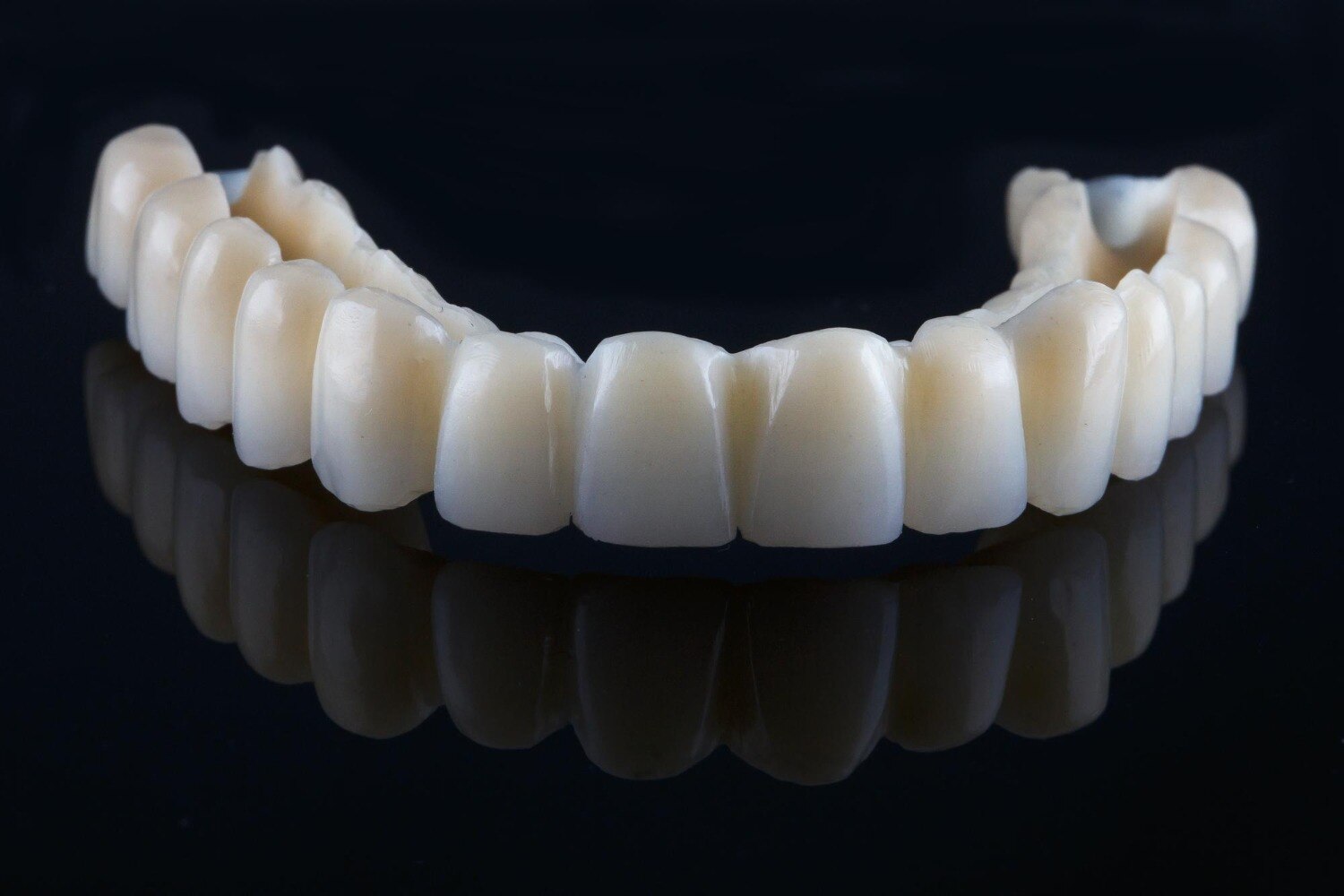
An all-ceramic crown is a category, while zirconia is one ceramic option within it. Compare the tooth, bite and available space before comparing material names.
| Option | Main advantage | Common indication |
|---|---|---|
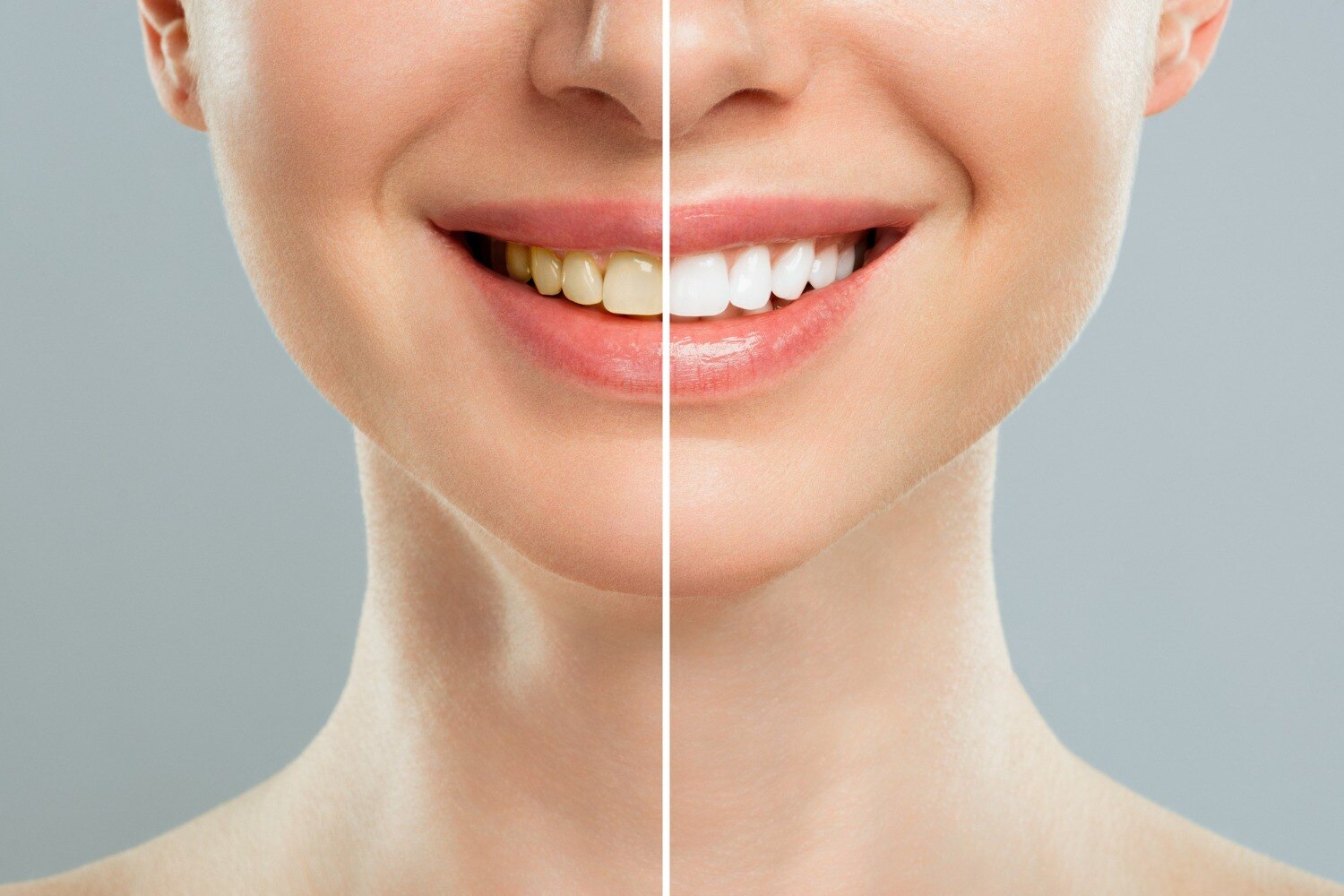
| Lithium disilicate or other glass-ceramic | More lifelike translucency and shade integration | Front teeth where appearance matters |
| High-strength or monolithic zirconia | High strength at reduced thickness | Back teeth, heavy biting forces or limited occlusal clearance |
| Feldspathic porcelain | Fine optical character but lower strength | Selected aesthetic front-tooth cases |
| Porcelain-fused-to-metal | Metal substructure supports the porcelain | Not an all-ceramic crown |
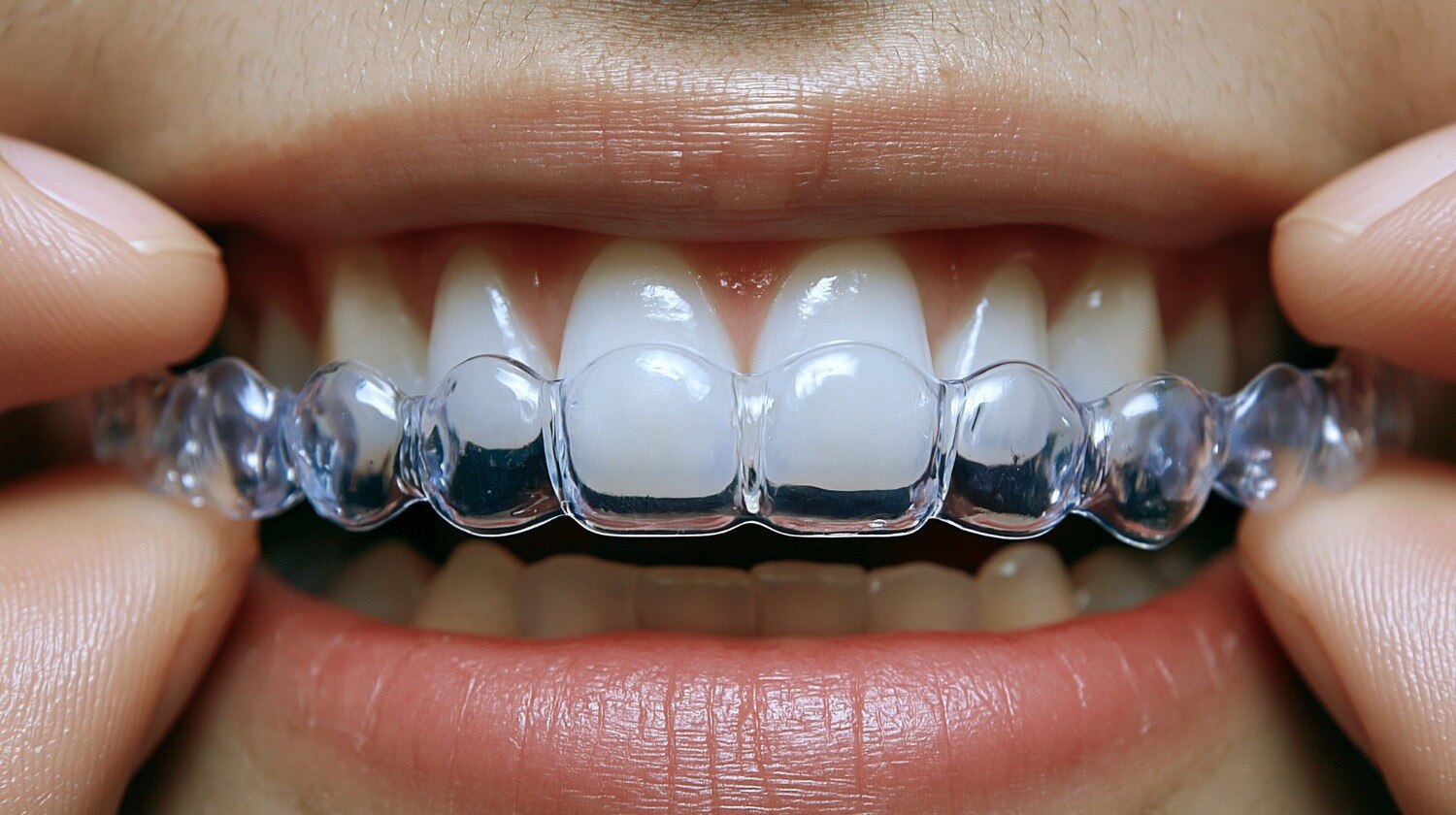
Translucent zirconia also belongs to the all-ceramic category. Therefore, “all-ceramic” alone does not identify the product; ask whether the proposal is lithium disilicate, feldspathic porcelain, another glass-ceramic, layered zirconia or monolithic zirconia.
Both choices still need correct preparation thickness, shade selection, proximal contacts, contour and bite adjustment. Ask how the crown will affect the opposing tooth, particularly if the surface is rough, poorly polished or adjusted incorrectly; those problems can increase wear.
The recommendation depends on tooth position, functional load, available space, clenching or grinding, and the laboratory or CAD/CAM workflow. Before booking an all ceramic crown in Delhi, ask the dentist to document the indication and explain why that material fits your tooth rather than accepting a material name as the decision.
What happens during crown treatment, and how long does it take?
Plan on two visits for a conventional all-ceramic crown: one preparation appointment and a later try-in and cementation appointment. Ask the clinic for estimated chair time for each visit; tooth complexity and laboratory turnaround change the schedule.
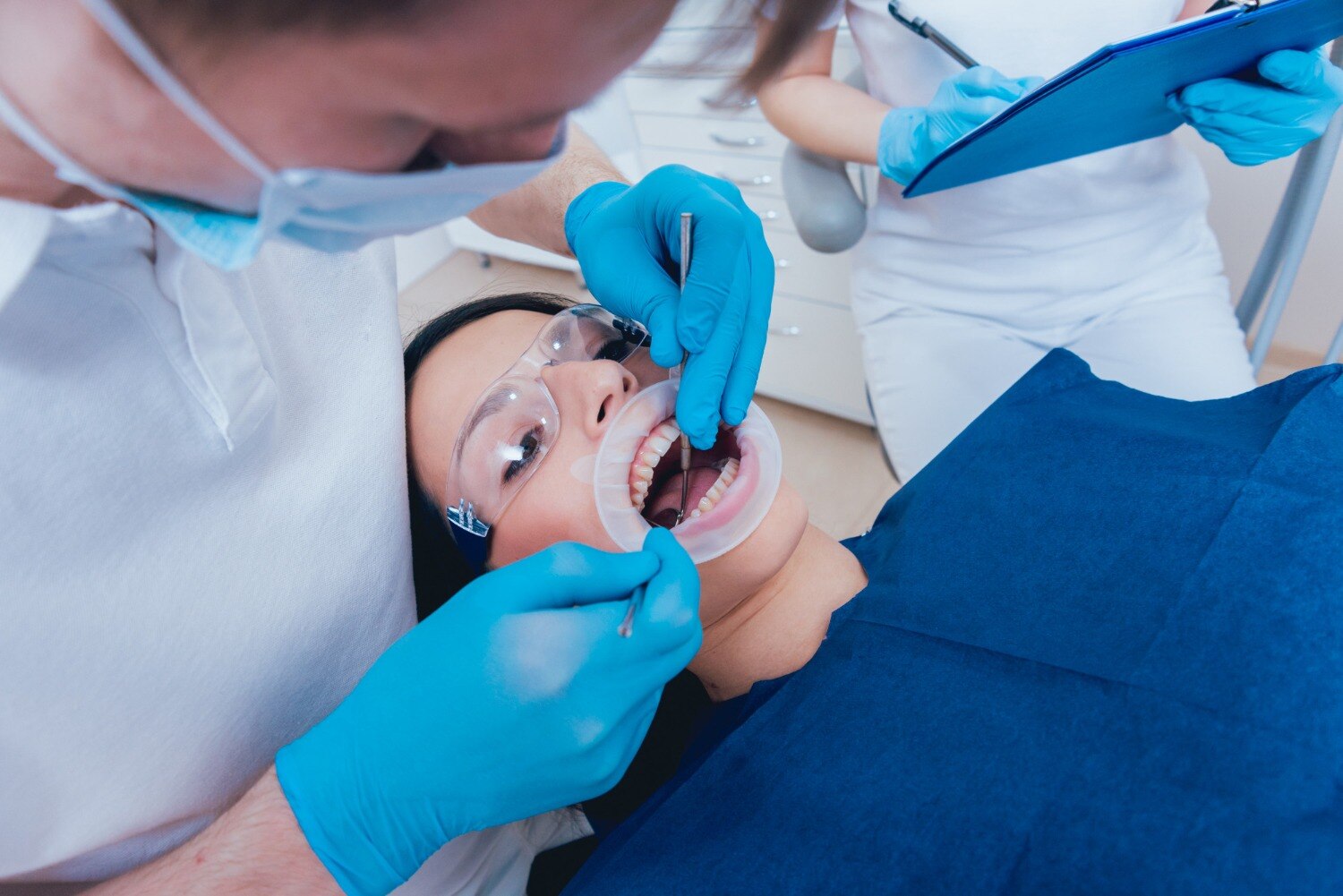
At the first visit, the dentist examines the tooth, checks vitality and decay, assesses the gums, evaluates your bite and takes photographs when useful. Radiographs are needed when cracks, deep decay or previous root-canal treatment raises concern.
The dentist then reduces the tooth, selects the shade, records an intraoral scan or impression and fits a temporary crown.
| Conventional workflow | Preparation visit, scan or impression, temporary crown, laboratory fabrication, later try-in and cementation |
|---|---|
| Same-day workflow | Preparation, digital scan, CAD/CAM fabrication and cementation in one planned workflow; faster does not prove better material or result |
During the try-in, ask the dentist to check:
- Marginal fit and proximal contacts
- Shade and contour
- Occlusion, floss access and cleanability
Delays follow untreated decay, active gum disease, infection, insufficient tooth structure, a needed core or root-canal procedure, an unstable bite or a laboratory remake. Contact the dentist if the temporary loosens or breaks, avoid sticky foods around it and never permanently re-cement it at home.
Short-lived sensitivity can occur after preparation. Swelling, spontaneous pain, pain that wakes you, pain on biting or a persistently high bite needs review.
When is a crown the right treatment rather than another option?
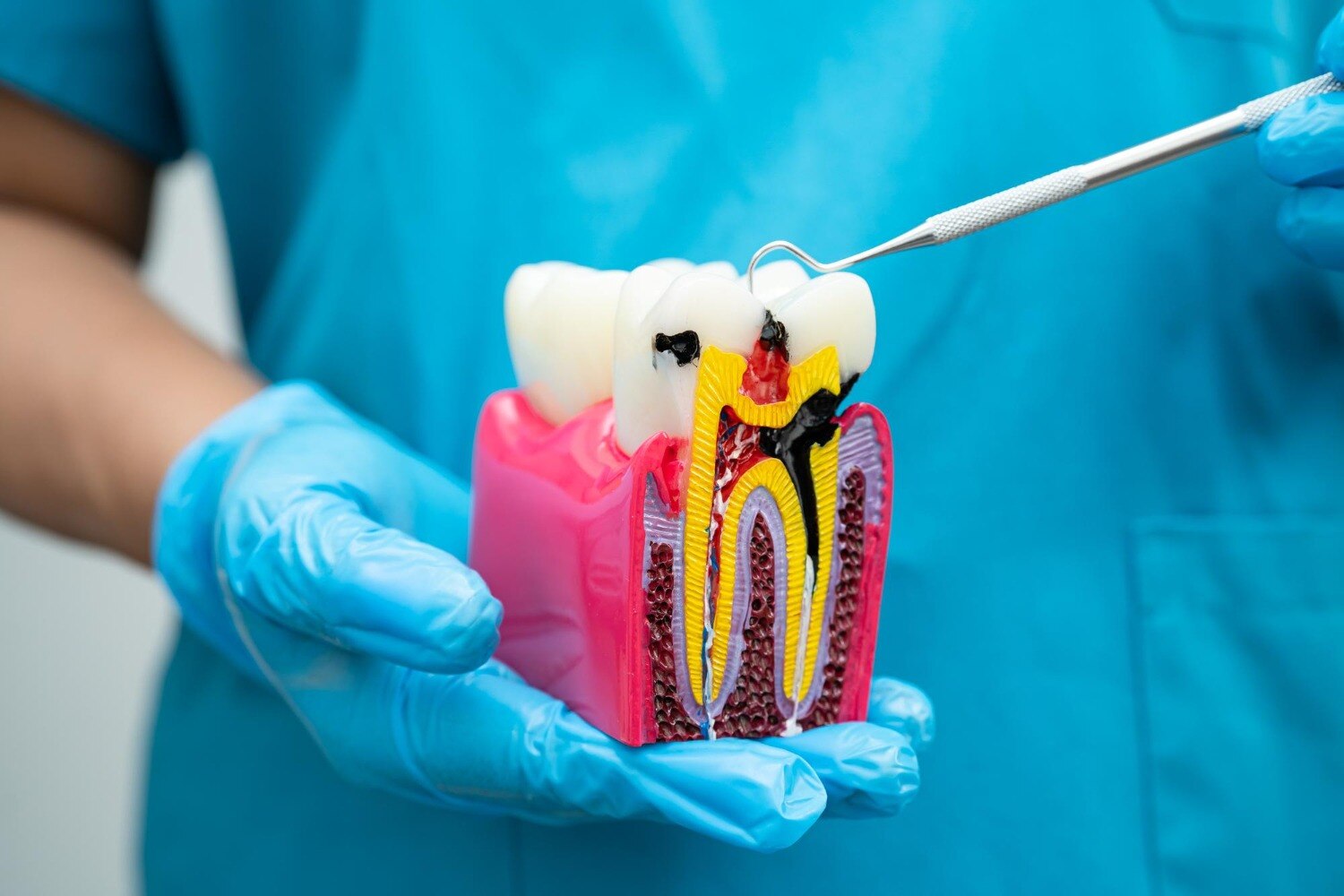
A crown is justified when the tooth has too little strength for a filling but enough sound structure to support a sealed, cleanable margin. The decision depends on remaining tooth structure, crack pattern, tooth position, functional load and whether the edge can be kept free of plaque.
| Option | What it treats | When it fits |
|---|---|---|
| Tooth-coloured filling | Small to moderate defects | Sound cusps remain |
| Inlay or onlay | Larger damage while preserving cusps | Cusps are repairable and stable |
| Veneer | Selected front-surface colour or shape changes | The front tooth is structurally sound |
| Root-canal treatment | Diseased or irreversibly inflamed pulp | Infection or pulp damage is present |
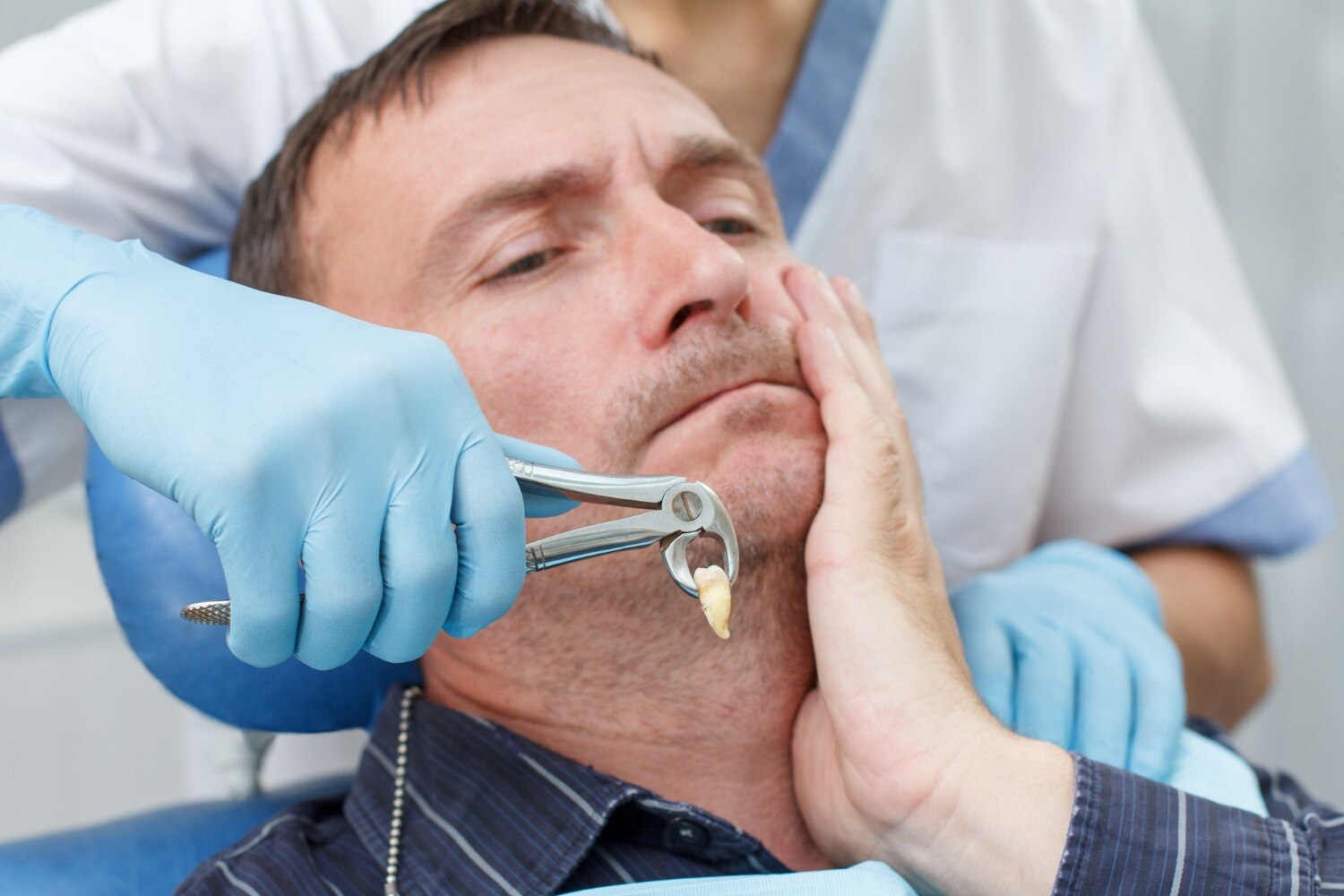
| Extraction | A tooth that cannot be predictably restored | Cracks, decay or bone loss make repair unreliable |
| Implant-supported crown | A missing tooth | The tooth has already been lost or extracted |
Root-canal treatment does not automatically require a crown. A heavily damaged molar has a higher fracture risk than an intact anterior tooth, so cuspal coverage may differ. A crown also cannot cure pulpal disease, a cracked root or infection beneath the tooth.
Delay or reject coverage for:
- An unrestorable tooth, inadequate remaining structure or an untreated crack
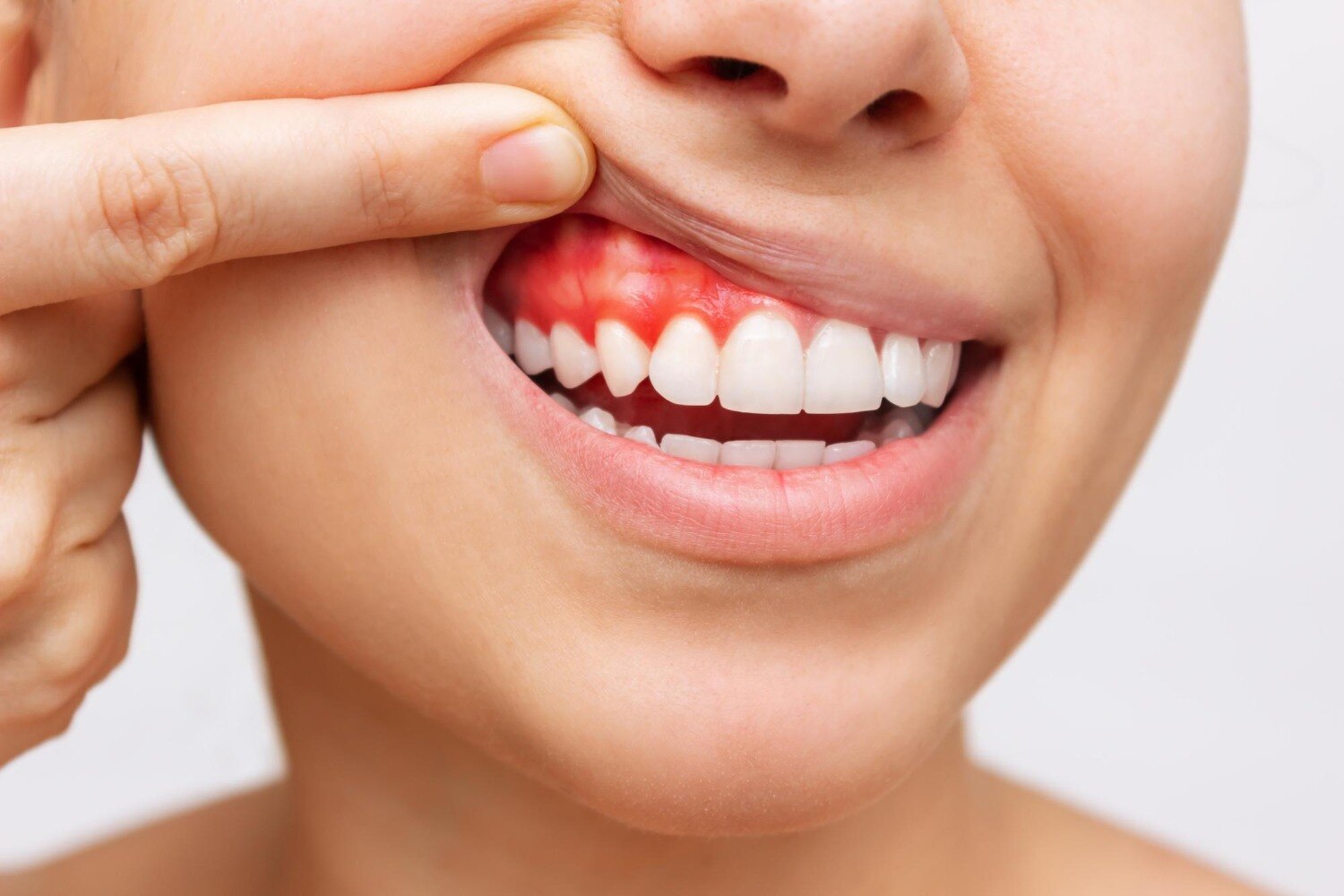
- Active gum disease, untreated decay or infection
- Severe uncontrolled grinding
- A missing tooth
Before assessment, tell the dentist about symptoms, previous root-canal treatment, clenching, grinding, bite changes, gum bleeding, allergies, medical history and medicines affecting healing or implant surgery.
How to book and compare a Delhi crown provider
Before you book ceramic crown in Delhi, ask for written answers about the tooth, material, workflow and financial risks. A ceramic dental crown near me search is useful for finding clinics, not for comparing incomplete quotes.
- Proposed material and indication; examination findings; relevant X-rays; photographs or scan-based planning; and preparation thickness.
- Laboratory or manufacturing method, temporary-crown plan and expected number of visits.
- Itemised price, GST status, follow-up schedule, and remake or warranty policy.
- If decay, a crack or pulpal disease appears after preparation, ask what happens and who pays for root-canal treatment.
- Ask who pays if the finished crown does not fit, requires remaking or needs additional appointments.
| Provider comparison | Ask for | Warning sign |
|---|---|---|
| Material | Named ceramic, indication and laboratory method | “Premium ceramic” without detail |
| Estimate | Per-tooth itemisation, GST and exclusions | Root canal, core build-up or X-rays left unclear |
| Aftercare | Reviews, remake terms and bite adjustment | Warranty described only verbally |
At the final appointment, do not accept a crown after a visual shade check alone. Ask the dentist to assess the margin, contacts, contour, bite and floss access before cementation.
AK Dental Superspeciality Clinic on CGHS ECHS CBSE is one Delhi option where you can discuss examination findings, material choice, preparation and the estimate before committing.
After placement, brush with fluoride toothpaste, clean between teeth and attend reviews. Manage bruxism; use a night guard when advised. It cannot fix a poorly fitting crown. A quoted lifespan is not a guarantee: fracture, recurrent decay, loss of retention, endodontic problems and gum issues remain possible.
Related services
All Ceramic Crowns At AK Dental Multispeciality Clinic, we provide All Ceramic Crowns designed to restore damaged, weak, discolored, or heavily treated teeth while... View service → |
Zirconia Crowns At AK Dental Multispeciality Clinic, we offer Zirconia Crowns to restore damaged, weakened, discolored, or root canal-treated teeth while providing a... View service → |
Frequently asked questions
What does an all-ceramic crown cost in Delhi?
A private Delhi clinic may quote roughly ₹8,000–₹30,000 per tooth. Compare what each quote includes, such as examination, X-rays, scans, temporary protection, laboratory work, cementation and follow-up.
Is zirconia better than an all-ceramic crown?
Neither material suits every tooth. Zirconia prioritises strength and is useful for heavy biting loads, while layered or glass-based ceramics can provide highly natural front-tooth appearance. Your dentist should match the material to tooth position, bite and remaining tooth structure.
How long does all-ceramic crown treatment take?
Treatment usually involves examination, tooth preparation, an impression or digital scan, a temporary crown and final cementation. The final crown requires laboratory time, so the process may take more than one appointment.
When is a crown the right treatment?
A crown is considered when a tooth is weakened, heavily restored, cracked or treated with a root canal and needs full coverage. A filling, inlay, onlay or veneer may preserve more tooth structure when the damage and bite allow it.
How should I compare Delhi crown providers before booking?
Ask for a written per-tooth quote, the proposed material and laboratory details, included appointments, temporary-crown arrangements, warranty terms and the dentist’s treatment plan. Confirm whether the clinic serves your location and can schedule required follow-ups.
Keywords