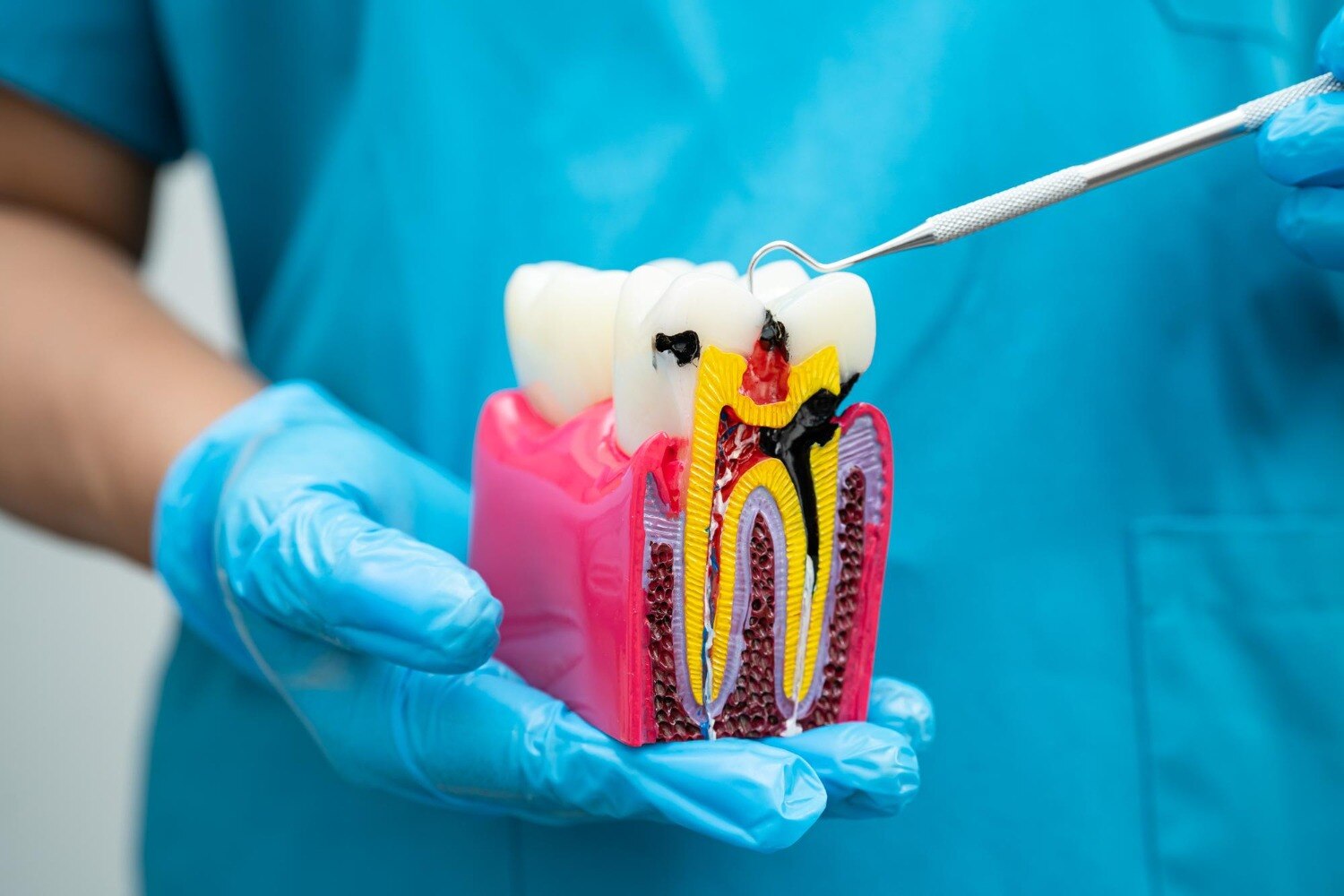
The better choice depends on whether the tooth can be predictably restored, not simply on how much it hurts or which procedure costs less on the day. By the end, you will know what your dentist must examine, how each treatment unfolds, and which questions to ask before choosing an irreversible option.
Key takeaways
- Choose root canal treatment when enough healthy tooth structure and bone support remain.
- Infection alone does not mean the tooth must be extracted.
- Compare healing time, crown needs and replacement costs—not just the first fee.
- Ask whether the tooth is restorable before choosing extraction.
When saving the natural tooth is the better choice
Saving the natural tooth is the better choice when root canal treatment can leave a tooth with enough healthy structure above the gum, adequate periodontal bone support, and a crown-to-root relationship that can support a permanent filling or crown. An infected tooth can still be restorable; infection alone does not require extraction.
A tooth that cannot hold a filling or crown has a poor prognosis even if its infection is treatable.
| Situation | More predictable choice | Why |
|---|---|---|
| Adequate tooth structure and bone support | Root canal treatment | The tooth can be sealed and restored permanently |
| Vertical root fracture | Extraction | The fracture allows leakage and cannot be predictably sealed |
| Crack extending below the gum line | Extraction | A crown cannot reliably seal the damaged root or margin |
| Severe mobility or extensive periodontal bone loss | Extraction | Insufficient support makes long-term stability unlikely |
| Decay leaving too little structure | Extraction | There is not enough tooth to retain a filling or crown |
Root canal versus extraction is not decided by pain alone. A dead pulp can be painless, while reversible inflammation can cause severe pain without requiring root canal treatment.
The safer option depends on examination findings: preserve a tooth when restoration is predictable, but choose extraction when fracture, poor support, or inadequate remaining structure makes failure more likely.
How the dentist determines whether the tooth can be restored
The dentist first decides whether the tooth is diseased, structurally usable, and capable of supporting its planned final restoration.
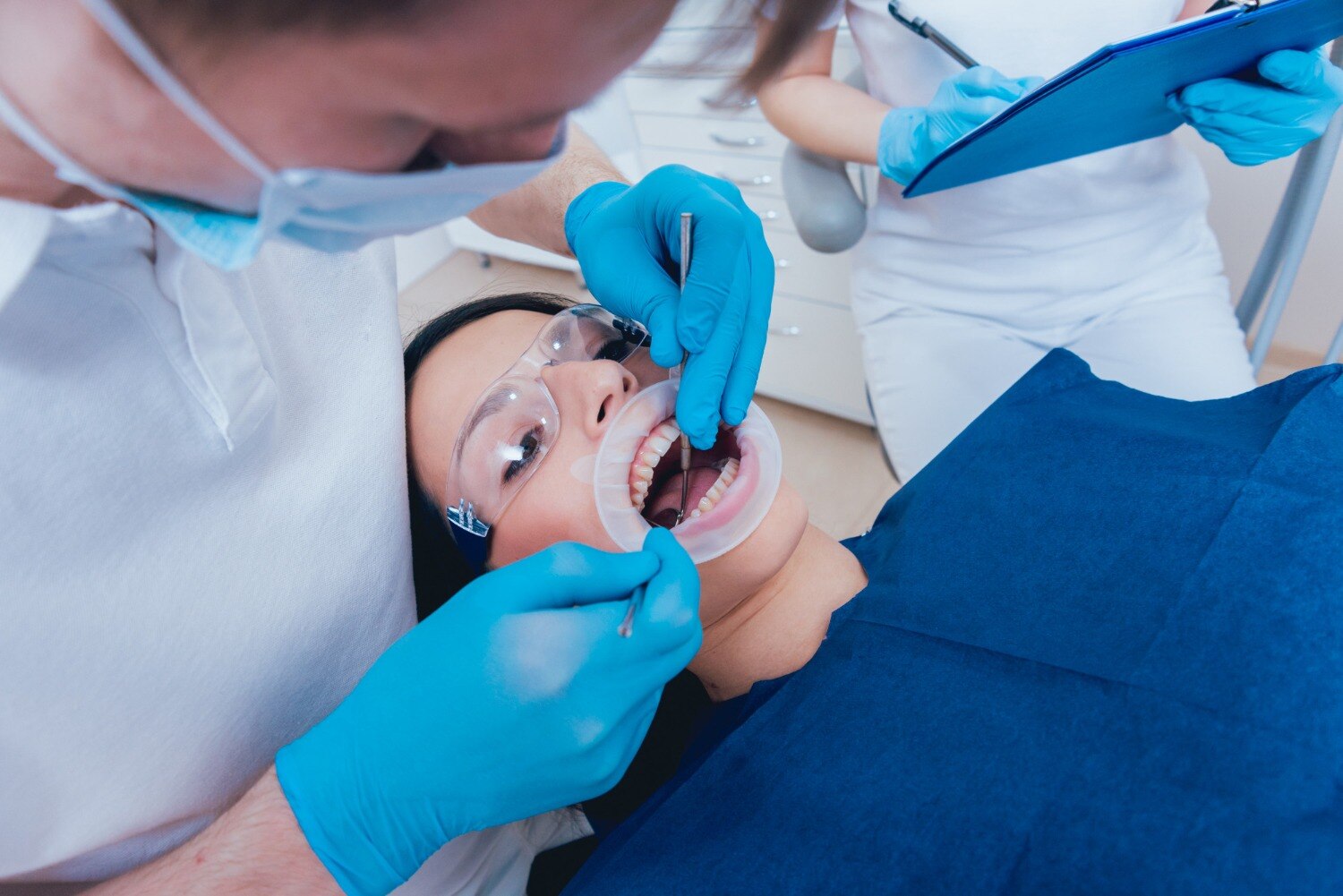
1. Your dental history identifies the onset of pain, sensitivity to hot or cold, pain on biting, swelling, previous fillings, trauma, and any earlier root canal treatment. Cold testing and, when needed, electric pulp testing assess whether the pulp responds; percussion and palpation check inflammation around the root.
2. A bite test helps locate a cracked cusp or fracture that hurts when you release pressure. Gum probing measures isolated deep pockets that can indicate a root fracture, while mobility assessment reveals weakened periodontal support.
3. A periapical digital X-ray shows decay depth, root shape, bone loss, abscesses, and curved or blocked canals. It also helps assess whether enough tooth remains above the gum for a filling or crown.
4. CBCT provides three-dimensional detail when canals have complex anatomy, a fracture is suspected, a previous root canal needs retreatment planning, or a lower wisdom tooth lies near the inferior alveolar nerve. It is not required for every tooth.
The dentist combines these findings with remaining tooth structure, periodontal support, bite forces, and the planned final restoration. The main root canal treatment options are primary nonsurgical treatment, nonsurgical retreatment after failure, apical surgery when disease persists or a canal cannot be predictably retreated, and extraction when the prognosis is hopeless.
Regenerative endodontic treatment is mainly for selected immature permanent teeth with an open apex, not a routine adult alternative. A restorable infected tooth may still be saved; a tooth unable to hold a filling or crown may not be.
What root canal treatment and extraction involve after the decision
Root canal treatment starts with local anaesthesia and rubber dam isolation to keep the tooth dry. The dentist creates access to the canals, cleans and shapes them, irrigates away debris and microbes, then fills and seals the canal space. A temporary or permanent filling closes the access opening.
| Procedure | What happens | What completes treatment |
|---|---|---|
| Root canal treatment | Anaesthesia, rubber dam isolation, canal access, cleaning, shaping, irrigation, filling and sealing | The required definitive filling, crown, or cuspal-coverage restoration |
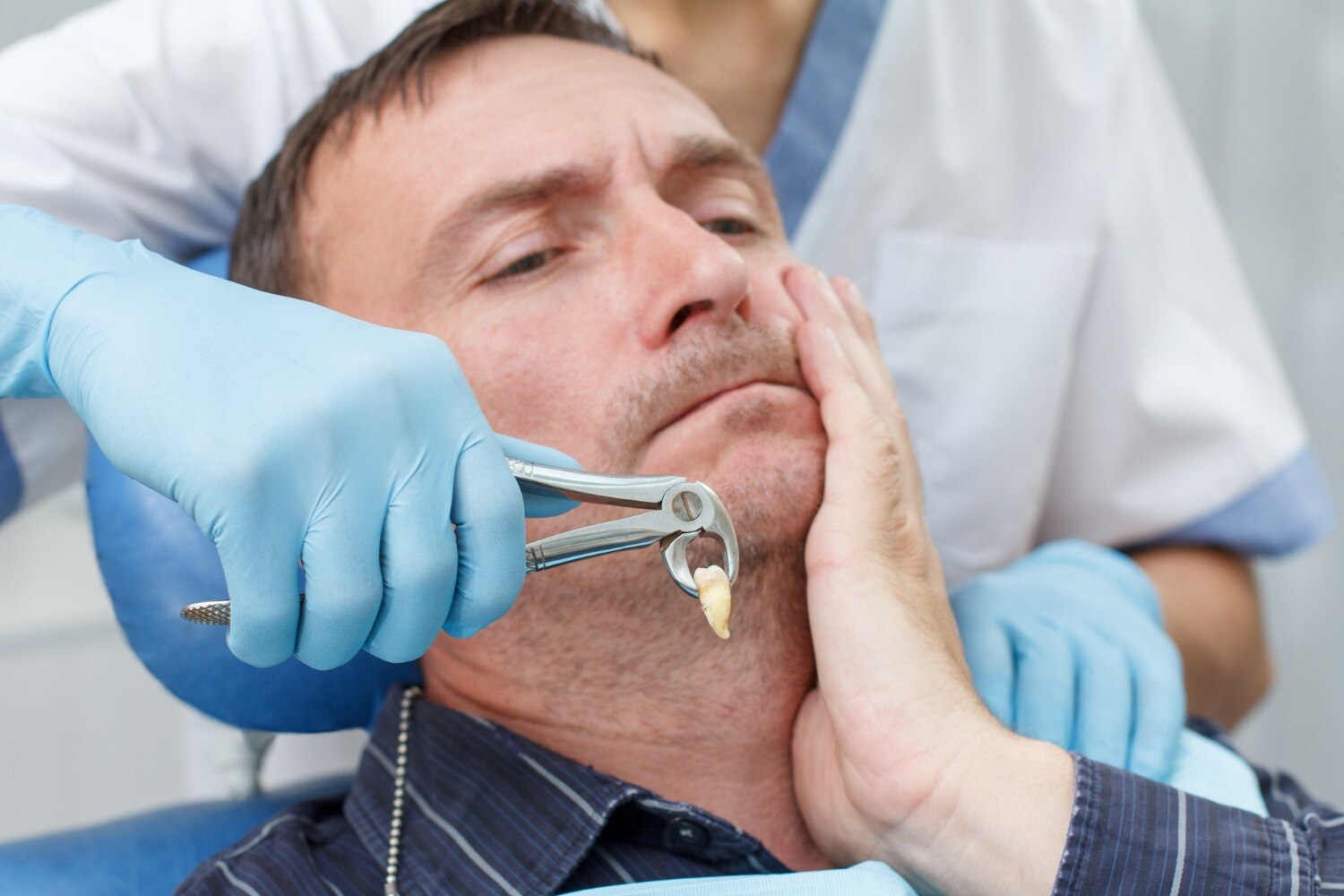
| Extraction | Anaesthesia, loosening and removal of the tooth, socket cleaning, and sutures when required | Following clot-protection instructions and planning replacement when appropriate |
A root-filled tooth is not fully treated when the canals are merely filled. A delayed crown or cuspal-coverage restoration can leave a weakened back tooth vulnerable to fracture and leakage, allowing bacteria to re-enter.
After extraction, protect the blood clot exactly as instructed; during the first 24 hours, this commonly means avoiding vigorous rinsing and smoking around the socket. Your treating dentist’s written instructions take priority.
“Painless root canal in Delhi” means treatment performed under local anaesthesia intended to prevent procedural pain, not a guarantee of zero sensation or later symptoms. Tenderness on biting for a few days can occur; worsening, severe, or persistent pain requires review.
The real time, cost and replacement comparison
Extraction can be faster and less expensive at the first appointment, but it creates a missing-tooth decision. Saving a restorable tooth usually requires root canal appointments, a final filling or crown, and sometimes retreatment if canals were missed or leakage caused reinfection.
| Option | Initial time and cost | Long-term requirements and risks |
|---|---|---|
| Root canal and restoration | More appointments and a higher first-stage bill | Definitive filling or crown; fracture or leakage if restoration is delayed; retreatment when infection persists |
| Implant-supported crown | Extraction first, healing, possible bone grafting, implant placement, healing, then crown | Surgical risks, peri-implant infection, cleaning requirements, component or crown repairs |
| Fixed bridge | Extraction and gum healing followed by preparation and fitting | Requires support from adjacent teeth; cleaning under the bridge; decay, loosening, or replacement |
| Removable partial denture | Usually quicker and less invasive than an implant | Daily removal and cleaning; movement, pressure spots, clasp wear, and periodic adjustment |
An unreplaced gap can let neighbouring teeth drift, opposing teeth over-erupt, and the jaw ridge lose volume. These changes can complicate a later implant or bridge and increase treatment time, although every missing tooth needs neither immediate nor eventual replacement.
A previously treated tooth can sometimes be saved with nonsurgical retreatment: the dentist removes defective filling material, locates missed canals, and seals leakage or new decay. Extraction is more predictable when a crack reaches the root, too little tooth remains for restoration, or periodontal bone support is poor.
Antibiotics do not replace drainage, root canal treatment, or extraction. They cannot remove infected pulp or seal a leaking tooth.
Questions to ask before choosing treatment in Delhi
Do not choose root canal or tooth extraction in delhi from the first-visit fee. Compare whether the tooth can be predictably restored and what happens after treatment.
| Option | What you must compare | Main long-term question |
|---|---|---|
| Root canal treatment | Remaining tooth structure, bone support, crack location, crown or cuspal-coverage restoration, appointment count | Can the sealed tooth support a durable restoration? |
| Extraction | Healing, implant-supported crown, fixed bridge or removable partial denture | What will replacement require in time, maintenance, repairs and possible bone grafting? |
| Uncertain diagnosis | Additional testing or second opinion | Is irreversible tooth extraction in delhi truly necessary? |
Ask these questions before consenting:
- Is the tooth restorable, or is decay too deep for a predictable filling or crown?
- Does a crack extend below the gum line or into the root?
- How much healthy tooth structure remains above the gum, and how much supporting bone remains?
- Will root canal treatment require a crown or another cuspal-coverage restoration?
- What do the periapical X-ray findings show about bone loss, infection, root shape and remaining structure?
- What is the expected prognosis, and what alternatives exist, including retreatment or apical surgery?
- How many appointments are needed, and what is the complete treatment sequence?
- If the tooth is removed, what replacement is planned and what will it require over several years?
When the diagnosis is uncertain, obtain a second opinion from an endodontist or restorative dentist before irreversible extraction. AK Dental Superspeciality Clinic on CGHS ECHS CBSE can provide one Delhi assessment across endodontic, restorative, gum and replacement needs; compare the diagnosis and treatment plan, not the service label.
Related services
Painless Root Canal Treatment(RCT) Painless Root Canal Treatment(RCT) At AK Dental Multispeciality Clinic, we provide painless root canal treatment designed to relieve tooth pain and save your natural teeth with maximum... View service → |
Painless Extraction At AK Dental Multispeciality Clinic, we provide gentle and painless tooth extractions using modern techniques and effective local anesthesia. View service → |
Frequently asked questions
When is root canal treatment better than tooth extraction?
Root canal treatment is better when the tooth has enough healthy structure above the gum, adequate periodontal bone support and a crown-to-root relationship that can support a permanent restoration.
How does a dentist decide whether a tooth can be restored?
The dentist assesses the remaining tooth structure, cracks, periodontal bone support, crown-to-root relationship, infection and whether a filling or crown can seal and protect the tooth.
What happens after root canal treatment or extraction?
A root canal-treated tooth usually needs a permanent filling or crown. An extracted tooth leaves a space that may require replacement with an implant, bridge or denture after healing.
Which option takes less time: root canal treatment or extraction?
Extraction can be quicker during the procedure, but replacing the missing tooth adds healing time, appointments and expense. Root canal treatment takes longer initially but preserves the natural tooth.
What should I ask before choosing root canal or tooth extraction in Delhi?
Ask whether the tooth is restorable, how much healthy structure remains, whether a crown is needed, what replacement extraction would require, the expected timeline and the total treatment cost.
Related services
Wisdom Tooth Extraction At AK Dental Multispeciality Clinic, we provide safe and effective Wisdom Tooth Extraction for patients experiencing pain, swelling, infection, or... View service → |
Apicoectomy Apicoectomy Save Your Natural Tooth with Advanced Apicoectomy Treatment When a root canal-treated tooth continues to have pain, infection, or inflammation, an... |
Impacted Teeth Extraction Safe, Comfortable & Expert Surgical Tooth Removal An impacted tooth is a tooth that does not erupt properly through the gums due to lack of space,... View service → |
Dental Implants At AK Dental Multispeciality Clinic, we provide advanced dental implant treatments designed to replace missing teeth with strong, natural-looking,... View service → |
Keywords