Persistent pain around a root-canal-treated tooth does not automatically mean that apicoectomy is the right next step. You will be able to distinguish the causes, compare surgery with retreatment, extraction and observation, and use a practical checklist to choose where to book treatment in Delhi.
Key takeaways
- Apicoectomy removes infection at the root tip while preserving the visible tooth.
- Persistent pain can result from missed canals, cracks, leakage or infection beyond the root.
- Compare surgery, retreatment and extraction using X-rays, tooth stability and restoration condition.
- Bring previous X-rays, medication details and a list of symptoms to your appointment.
What an apicoectomy changes at the root tip
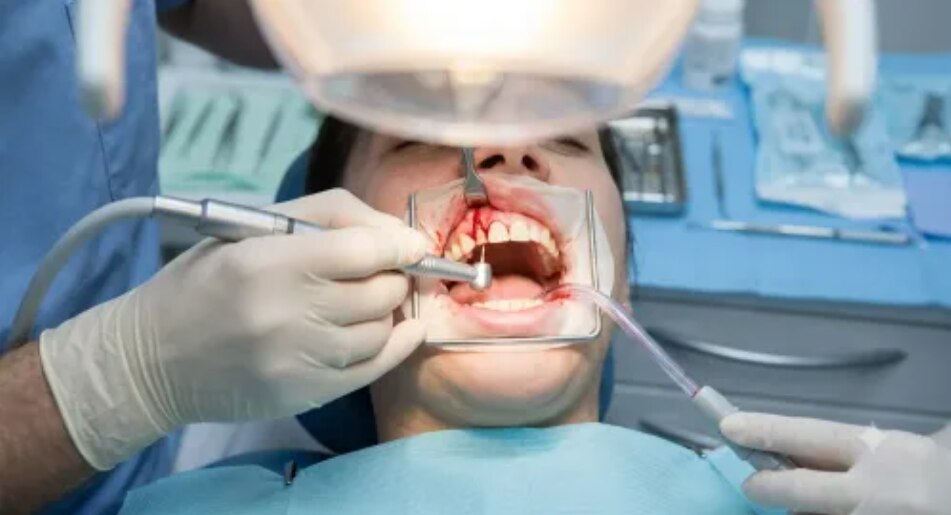
An apicoectomy changes the last few millimetres of a tooth’s root, not the visible crown. The dentist removes inflamed tissue around the root tip, cuts away a small section of the root end, and seals the newly exposed canal opening so bacteria cannot re-enter.
- You receive local anaesthetic, so you remain awake but should not feel sharp pain. The procedure is usually completed as an outpatient treatment.
- The dentist makes a small incision in the gum and gently lifts the tissue to reach the bone. A limited amount of bone is removed to expose the infected area.
- Inflamed or infected tissue is taken out, and the root tip is resected. The dentist prepares the cut root end with a tiny ultrasonic instrument and places a biocompatible seal, such as mineral trioxide aggregate or another calcium-silicate cement.
- The gum is repositioned and closed with sutures. A review visit checks the wound, removes non-dissolving sutures when needed, and assesses healing.
Expect tenderness, mild swelling, bruising, or a small amount of bleeding during the first few days. Follow the instructions on pain relief, cold packs, eating, brushing, and activity; do not disturb the surgical site. Contact the clinic promptly for worsening swelling, fever, persistent bleeding, or pain that intensifies after initial improvement.
When comparing apicoectomy in Delhi, ask how the root end will be sealed and when healing will be reviewed.
Why a root-canal-treated tooth can still hurt
Persistent pain does not automatically mean the root canal failed. Several problems can keep a treated tooth symptomatic:
- Bacteria remain in a missed or blocked canal.
- A crown or filling leaks, allowing reinfection.
- Infection persists outside the root canal system.
- A vertical root fracture lets bacteria travel along the root.
- A cracked crown, high filling, gum disease, or a neighbouring tooth causes referred pain.
The dentist must prove that the proposed tooth is the source before recommending surgery. They compare your symptoms with adjacent teeth, inspect the restoration and gums, and test each suspect tooth rather than relying on one X-ray.
- Percussion: tapping identifies tenderness linked to the ligament around the tooth.
- Palpation: pressure over the gum can reveal swelling or tenderness above the root tip.
- Dental X-rays: angled views can show a periapical lesion, missed anatomy, inadequate filling, or bone changes.
- CBCT: three-dimensional imaging clarifies a hidden canal, root fracture, lesion location, or nearby structures when ordinary films do not explain the symptoms.
An apicoectomy dentist in Delhi should also check whether the tooth is restorable, whether enough supporting bone remains, and whether the existing root filling can be sealed. If a vertical fracture or unrestorable crown is the real problem, removing the root tip will not remove the cause.
How the dentist decides between surgery, retreatment and extraction
Decision starts with two questions: can the tooth be sealed and restored, and what is causing the persistent disease? Examination, percussion, palpation, dental X-rays and, when anatomy is unclear, CBCT help identify a missed canal, leakage, fracture or infection outside the canal.
| Option | Findings that support it | Main limitation |
|---|---|---|
| Nonsurgical retreatment | The root filling is short, poorly compacted or a canal was missed; the canal can be safely reached and resealed | Removing a post, separated instrument or obstruction can weaken the tooth or remain impossible |
| Apicoectomy | The tooth is restorable, the root filling is adequate, and disease persists because the apical canal cannot be corrected from above, such as with a blocked canal, post, separated instrument or persistent extraradicular infection | It cannot repair a vertical root fracture, an unrestorable crown or major loss of periodontal support |
| Observation | The tooth has no significant symptoms, the lesion is small or shrinking, and follow-up imaging shows healing rather than enlargement | Delaying treatment is unsafe when pain, swelling, drainage or a growing lesion develops |
| Extraction and implant | A confirmed vertical root fracture, severe periodontal support loss or inadequate remaining tooth structure makes long-term sealing unreliable | It requires extraction, healing and implant treatment; it is not an instant replacement |
Apicoectomy in Delhi is most defensible when retreatment cannot reach the cause but the tooth remains structurally sound. Extraction followed by an implant offers the more predictable result when the tooth cannot be sealed, supported or restored. Ask what happens if healing is incomplete before choosing surgery.
What to compare before booking apicoectomy in Delhi
Before you book apicoectomy in Delhi, compare the dentist, diagnosis, surgical method, aftercare and complete fee—not just the advertised treatment name. An “endodontic” or “microsurgical” label does not prove specialist training.
Ask the apicoectomy dentist in Delhi these questions:
- Is the treating dentist registered, trained in endodontics, and personally performing the surgery?
- Is the tooth restorable, and has the dentist checked for a missed canal, inadequate root filling, vertical root fracture and periodontal bone loss?
- Why is apicoectomy preferable to nonsurgical retreatment, observation or extraction?
- Will two-dimensional X-rays answer the question, or is limited-field CBCT needed because the root, lesion, sinus or nerve location is unclear?
- Will the procedure use magnification, coaxial illumination, ultrasonic root-end preparation and mineral trioxide aggregate or another calcium-silicate cement?
- What are the risks, including swelling, bleeding, sinus or nerve injury, persistent infection and incomplete healing?
- Who reviews you, when is the examination scheduled, and what happens if the lesion does not heal?
- Does the quoted fee include CBCT, surgery, root-end filling, medicines, sutures, follow-up and any repeat procedure?
| Comparison | Verify | Why it matters |
|---|---|---|
| Credentials | Registration and endodontic training | Confirms who is qualified to operate |
| Imaging | X-ray versus CBCT decision | Prevents treatment based on unclear anatomy |
| Equipment | Magnification, sterile instruments and emergency support | Improves control and safety |
| Fees | Written, itemised total | Exposes costs excluded from headline prices |
AK Dental Superspeciality Clinic on CGHS ECHS CBSE can be included in your comparison when its consultation documents these decisions rather than offering only a treatment quotation.
Related service
Apicoectomy Apicoectomy Save Your Natural Tooth with Advanced Apicoectomy Treatment When a root canal-treated tooth continues to have pain, infection, or inflammation, an... |
What to bring, expect and monitor after treatment
Prepare before you book apicoectomy in delhi: bring your medication list, allergies, medical history, recent X-rays or CBCT scans, and details of previous root-canal treatment. Tell the dentist about blood thinners, diabetes, immune problems, pregnancy, and reactions to local anaesthetic.
Eat normally unless sedation instructions say otherwise, avoid smoking, and arrange transport if you will receive sedation.
- Wear a loose top and follow the clinic’s instructions about medicines. Do not stop an anticoagulant without the prescribing doctor’s advice.
- Expect local anaesthetic, a small gum incision, sutures, and a review for suture removal and healing. Antibiotics are not routine after uncomplicated surgery in a healthy patient; take them only when prescribed.
- Use the recommended pain medicine, apply a wrapped ice pack during the first 24 hours, choose soft foods, and brush carefully away from the wound. Avoid vigorous rinsing, spitting, alcohol, and strenuous exercise initially.
| Situation | What you may notice | What to do |
|---|---|---|
| Normal recovery | Mild pain, tenderness, swelling, bruising, slight oozing, or temporary numbness; swelling often peaks around 48–72 hours | Follow aftercare instructions and attend the scheduled review |
| Urgent dental contact | Pain or swelling keeps worsening after 72 hours, fever, pus, foul taste, persistent bleeding, or a loose suture | Contact the treating clinic promptly |
| Emergency care | Trouble breathing or swallowing, rapidly spreading facial or neck swelling, heavy bleeding, or collapse | Seek emergency care immediately; do not wait for the next appointment |
Frequently asked questions
What does an apicoectomy change at the root tip?
The dentist removes inflamed tissue, trims the final few millimetres of the root and seals the exposed canal opening.
Why can a root-canal-treated tooth still hurt?
Pain can follow missed or untreated canals, reinfection from leakage, a crack, persistent inflammation or infection around the root tip.
How is apicoectomy compared with retreatment or extraction?
The decision depends on the cause of failure, access to the canal, tooth stability, cracks, the existing restoration and whether the tooth can be restored.
What should you compare before booking an apicoectomy in Delhi?
Compare the proposed diagnosis, imaging, treatment plan, experience with root-end surgery, expected restoration and follow-up arrangements.
What should you bring and monitor after apicoectomy?
Bring dental X-rays, treatment records and medication details; after surgery, monitor swelling, pain, bleeding, fever and changes in the bite.
Keywords