Choosing between a bridge, implant-supported teeth, a partial denture or a complete denture depends on more than whether the replacement stays in place. You will be able to compare stability, cleaning, treatment time, risks and suitability, then identify the questions to take to a dental examination.
Key takeaways
- Fixed dentures usually mean bridges or implant-supported teeth, not a separate denture type.
- Bridges rely on neighbouring teeth; implants replace missing tooth roots but require surgery and healing.
- Removable dentures cost less time initially but need daily removal, cleaning and adjustment.
- Choose after checking bone, gum health, remaining teeth, bite, budget and cleaning ability.
What “fixed dentures” and removable dentures actually mean
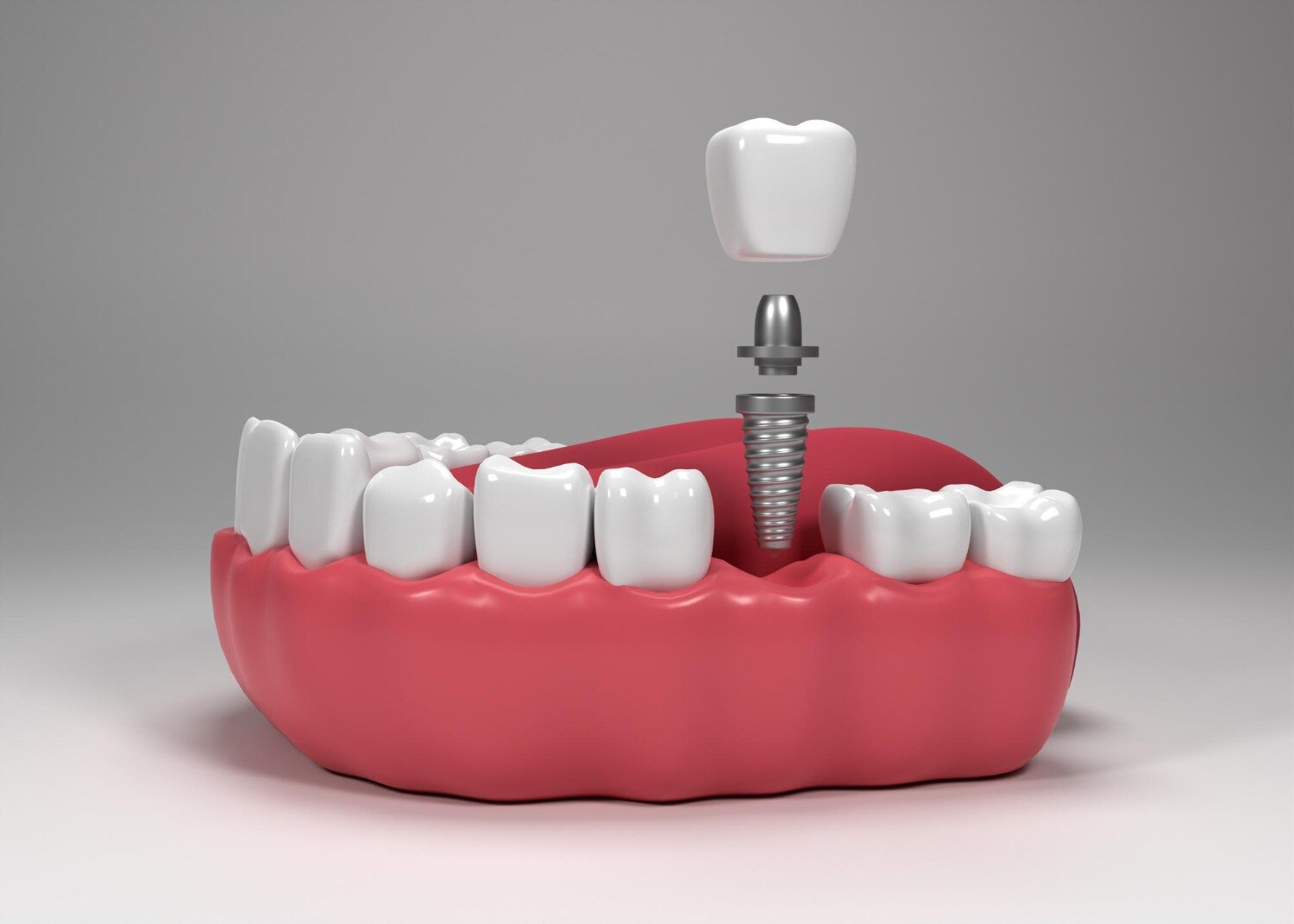
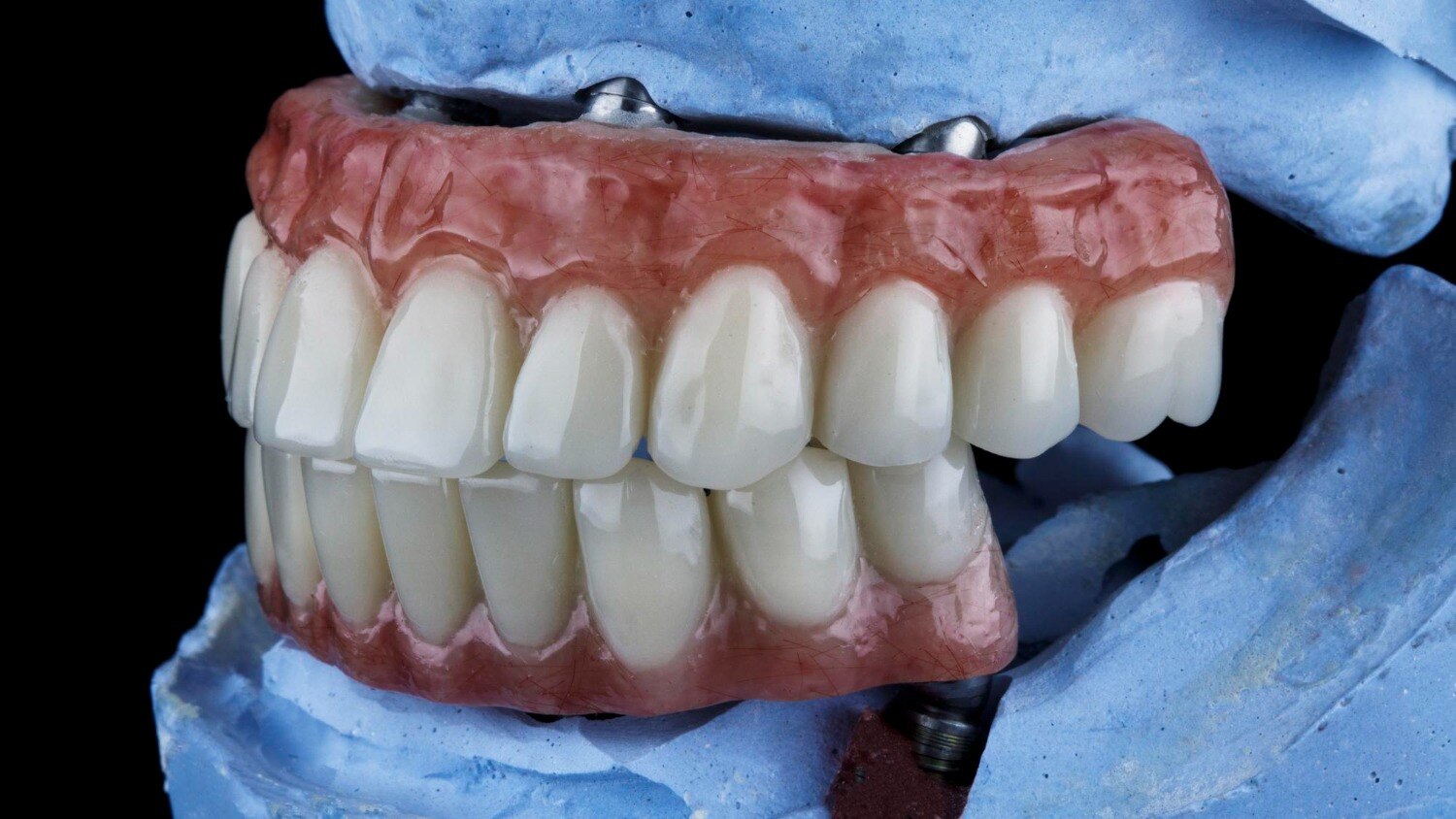
“Fixed denture” is usually a loose term, not a separate clinical category. It commonly means a conventional bridge cemented to crowns on prepared neighbouring teeth, or replacement teeth attached to dental implants with cement or screws. You cannot remove either option yourself.
| Option | What it means | How it stays in place |
|---|---|---|
| Conventional bridge | One or more teeth joined to crowns on adjacent teeth | Cemented bridge crowns |
| Implant-supported fixed teeth | Replacement teeth attached to implants in the jaw | Cement, screws or implant components |
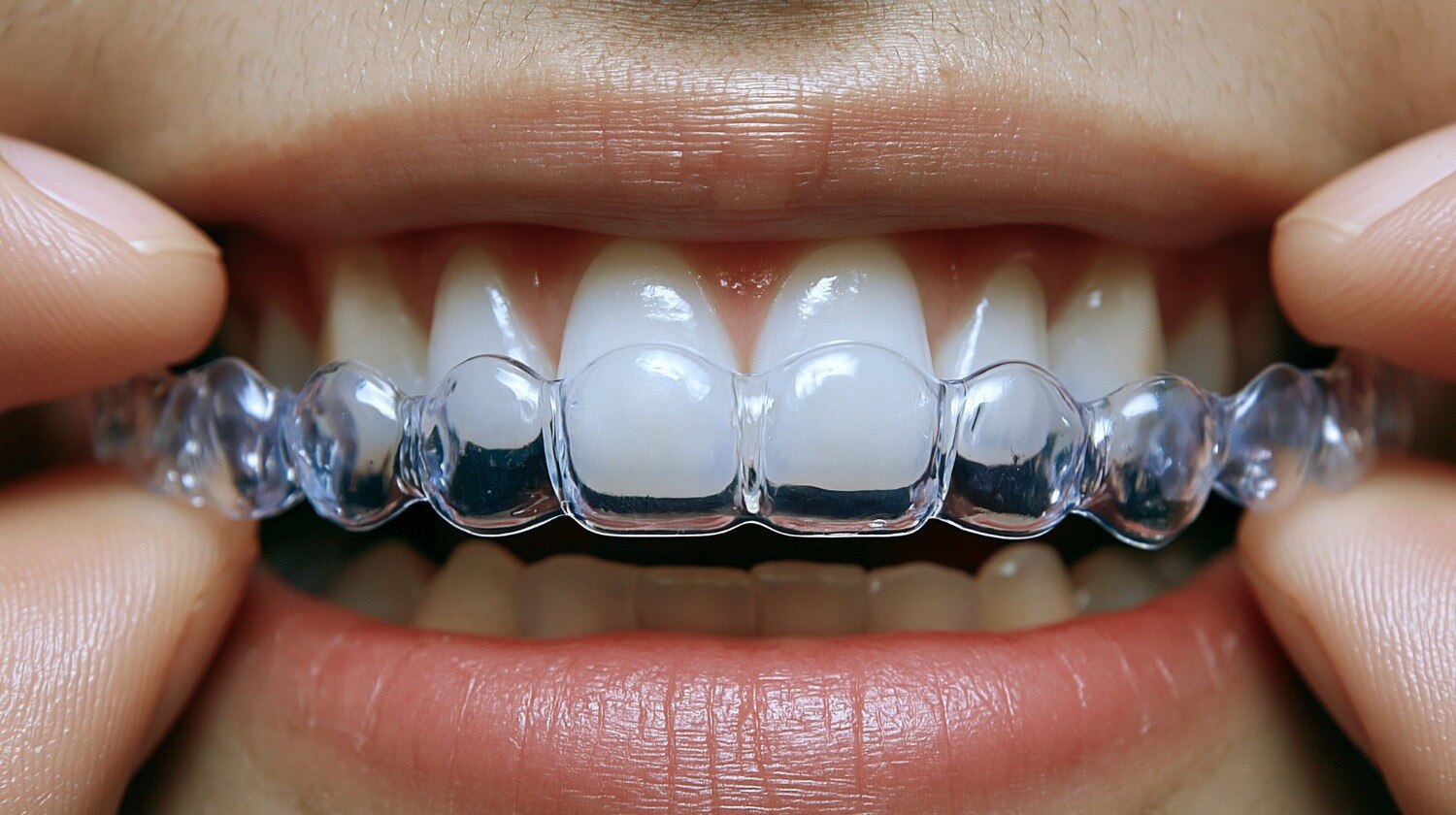
| Removable partial denture | Replaces some missing teeth | Clasps, rests, soft-tissue support and sometimes adhesive |
| Complete denture | Replaces all teeth in one arch | Suction, gum contact and denture adhesive |
| Implant-supported overdenture | A removable denture connected to implants | Implant attachments; you still remove it |
A removable denture is taken out by you for cleaning and rest. Implants improve an overdenture’s retention, but they do not turn it into a fixed restoration.
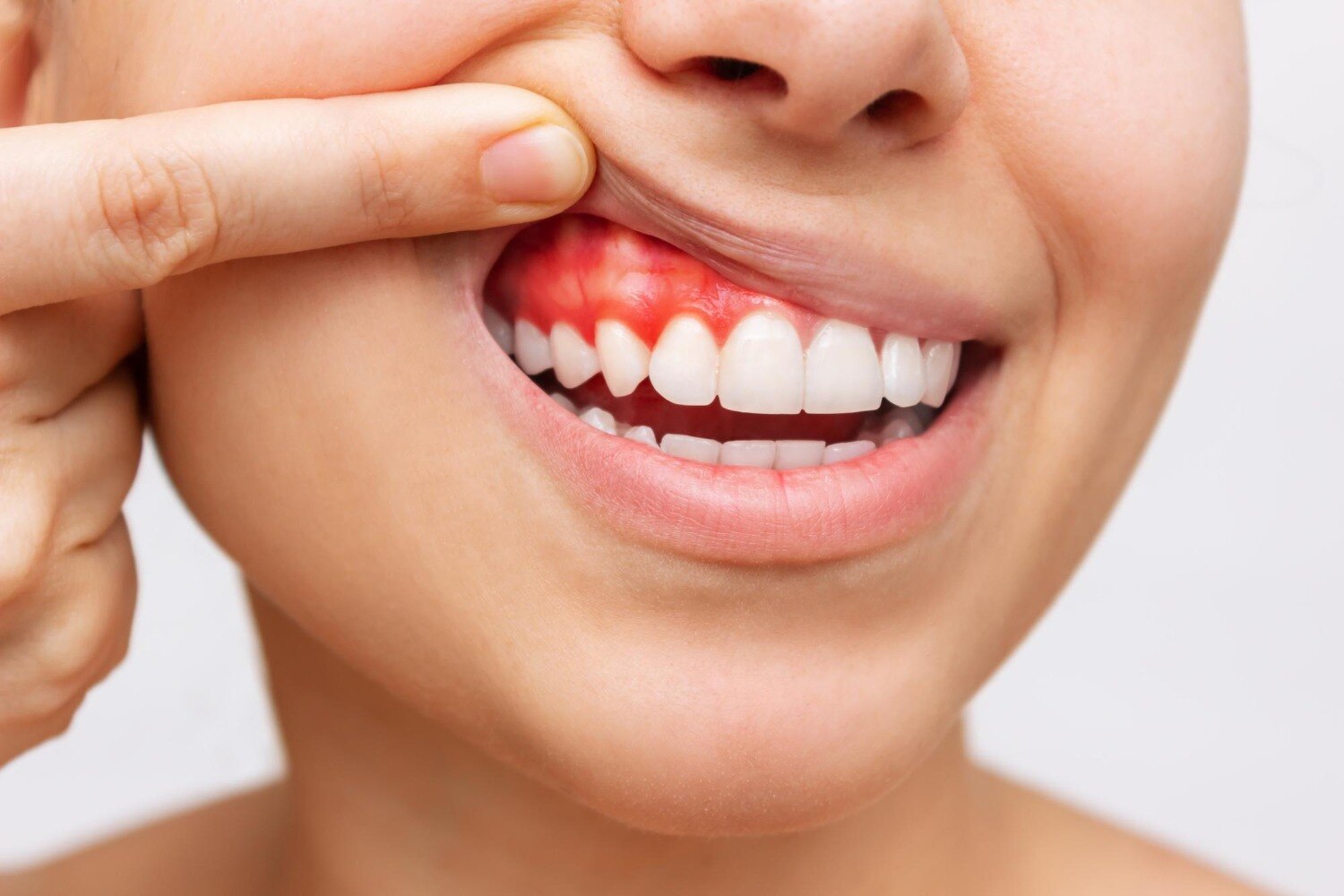
Weak supporting teeth, untreated decay, gum disease or reduced gum and bone support can limit retention. A bridge may fail if its supporting teeth cannot bear the load; a removable denture can rock, loosen or cause sore spots when its tissue support is poor.
Before comparing quotes for fixed dentures or removable dentures in dwarka, ask which exact treatment the clinic means and which teeth, implants or tissues will support it.
Fixed versus removable dentures: stability, care and treatment time
Fixed versus removable dentures differs most in movement, cleaning and treatment time. Fixed bridges and implant-supported teeth usually move less during chewing and speech. They still need daily cleaning beneath the replacement and around bridge margins with floss threaders, interdental brushes or other aids.
| Factor | Fixed bridge or implant-supported teeth | Removable denture |
|---|---|---|
| Stability | Usually steadier during eating and speaking | Can move, especially with weak support or poor fit |
| Appearance | No removable clasp; bridge margins need cleaning | Clasps or connectors may show |
| Comfort and speech | Fewer adjustment issues after fitting | Initial soreness, extra saliva, altered speech and chewing difficulty can occur |
| Cleaning | Clean in place beneath the replacement | Remove and clean outside the mouth; food can collect beneath the base |
| Repairs and maintenance | Chips or loose supports may need repair or replacement | May need adjustment, relining, repair or replacement as the mouth changes |
| Treatment time | A bridge follows tooth preparation and laboratory work; implants require assessment, surgery and healing before final teeth | New dentures can be delivered sooner, but immediate dentures after extraction commonly need adjustment, relining or replacement |
Removable dentures avoid tooth preparation and do not always require surgery, but their comfort depends on the fit, remaining teeth and soft tissues. Adhesive cannot correct a badly fitting appliance.
Persistent soreness, ulcers or repeated slipping needs a dental review. Continuing to wear a painful or unstable denture can injure the tissues and worsen chewing.
Which fixed option fits the pattern of missing teeth?
One missing tooth or a short gap may suit a tooth-supported bridge if the neighbouring teeth are healthy and strong enough to support crowns.
Preparing them removes enamel and dentine from teeth that might otherwise remain intact, so compare that cost with an implant-supported crown, which avoids preparing those teeth but requires adequate bone, healthy gums, surgery and healing.
| Option | Missing-tooth pattern | Main limitation |
|---|---|---|
| Tooth-supported bridge | One tooth or a short gap | A long unsupported span can overload the supporting teeth; preparation removes healthy tooth structure. |
| Implant-supported crown | One missing tooth with suitable bone and gums | Requires implant surgery, healing and adequate bone volume. |
| Long bridge or implant restoration | Several adjacent missing teeth | The choice depends on span length, bite, support and cleanability. |
| Removable partial denture | Scattered gaps or unavailable fixed supports | It relies on remaining teeth and soft tissues, and can move or show clasps. |
| Complete denture | All teeth missing in one arch | It replaces the arch but cannot feel or function exactly like natural teeth. |
A lower complete denture is often harder to stabilise because it has less supporting area and must resist tongue movement. Before choosing fixed dentures in Dwarka or dentures for missing teeth in Dwarka, treat untreated decay, active gum disease and weak abutment teeth; otherwise, the planned bridge, implant or denture may fail early.
When removable dentures are the practical choice—and their limits
A removable denture is sensible when replacing teeth with a bridge or implants would require more tooth preparation, surgery or bone support than you want or can safely have. Removable dentures in Dwarka can also suit extensive tooth loss or a budget that cannot support a fixed implant restoration.
Your dentist still needs to assess:
- The number and position of missing teeth
- The strength of remaining teeth and the condition of your gums
- Your bite and available jawbone
- Your hand control and ability to clean the appliance
- Medical factors that affect surgery, healing or daily care
| Option | Practical advantage | Main limitation |
|---|---|---|
| Removable partial denture | Replaces several teeth without implant surgery | Clasps may show, and the base can move on teeth and soft tissue |
| Complete denture | Replaces all teeth in one arch | Stability depends heavily on gum and jaw contours, especially in the lower jaw |
| Implant-supported overdenture | Attachments improve retention | Implants still require surgery, cleaning and adequate bone |
Soft-tissue support allows movement, and adhesive cannot correct a badly fitting denture. A loose appliance can cause rubbing, sore spots, food trapping or unclear speech.
Jawbone and gum contours change after tooth loss, so today’s fit may not last. A dentist may reline or rebase the denture; substantial wear or poor fit may require replacement.
Remove dentures at night, clean them with a denture-cleaning product rather than ordinary abrasive toothpaste, and follow storage instructions. Keep them away from hot water, which can distort the material.
How to choose safely at a Dwarka dental consultation
Choose the treatment only after identifying exactly what will support it and whether that support can last. A consultation for fixed dentures in Dwarka or removable dentures in Dwarka should compare the following options:
| Option | Support | Key question |
|---|---|---|
| Bridge | Prepared neighbouring teeth | Are the abutment teeth strong enough? |
| Implant-supported fixed restoration | Dental implants in bone | Is surgery and healing realistic? |
| Partial denture | Remaining teeth and gums | Will clasps and soft-tissue support provide stability? |
| Complete denture | Gum and jawbone contours | Can the appliance stay stable in this arch? |
| Implant-supported overdenture | Implants with removable attachments | Will you remove and clean it daily? |
Ask what happens if a supporting tooth is weak. Decay, gum disease, an unstable bite, low bone volume, poor oral hygiene, smoking, medicines and medical conditions can change the plan.
- Request an examination and appropriate radiographs.
- Ask whether uncontrolled health problems or poor hygiene make implants unsafe.
- Confirm whether inadequate bone requires preparation such as a bone graft.
- Get the expected number of visits, temporary replacement plan and cleaning aids in writing.
- Ask when adjustments occur and how repairs, relining and long-term maintenance are handled.
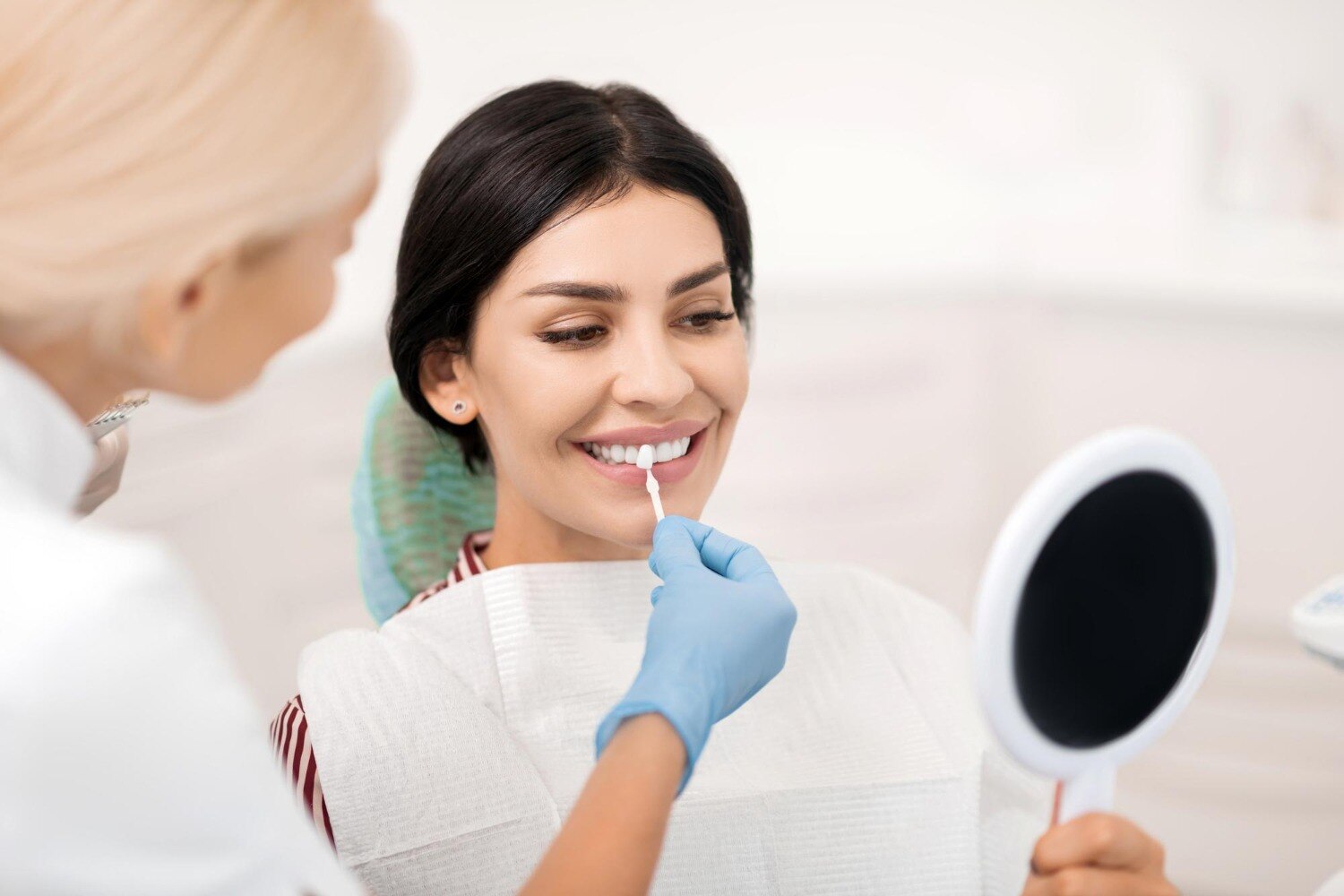
A consultation at AK Dental Superspeciality Clinic CGHS ECHS CBSE DU in Dwarka can connect these questions with clinical findings instead of treating “fixed” or “removable” as the decision.
Related services
Fixed Dentures A K Dental Superspeciality Clinic Fixed Dentures in Dwarka, New Delhi At A K Dental, we offer advanced fixed dental replacement solutions to restore missing or damaged teeth, improve chewing efficiency, and enhance your... View service → |
Partial Dentures Restore Your Smile with Comfortable & Natural-Looking Partial Dentures Missing one or more teeth can affect your confidence, speech, and ability to... View service → |
Frequently asked questions
What do “fixed dentures” and removable dentures actually mean?
“Fixed denture” usually describes a bridge cemented to prepared neighbouring teeth or teeth attached to dental implants. You cannot remove either yourself. Removable dentures are taken out for cleaning and often replace several teeth or a complete arch.
How do fixed and removable dentures differ in stability, care and treatment time?
Fixed options usually feel more stable during chewing and do not require removal after meals, but bridges need careful cleaning underneath and implants involve surgery and healing. Removable dentures can be provided without implant surgery, yet they need daily cleaning, removal at night and possible adjustments.
Which fixed option fits the pattern of missing teeth?
A conventional bridge can suit one or a few adjacent missing teeth when the neighbouring teeth can support crowns. Implant-supported teeth avoid preparing healthy neighbouring teeth, but suitability depends on bone volume, gum health, medical history, smoking and treatment goals.
When are removable dentures the practical choice, and what are their limits?
Removable dentures can suit multiple missing teeth, a complete arch, limited bone support or a restricted treatment budget. They can move during chewing, cover part of the palate when upper, affect speech at first and require relining or replacement as the mouth changes.
How should you choose safely at a Dwarka dental consultation?
Ask the dentist to examine your gums, remaining teeth, bite and available bone, and explain the number of visits, cleaning method, healing time, maintenance and total stages for each option. Discuss a bridge, implant-supported replacement and removable denture rather than choosing by appearance alone.
Keywords