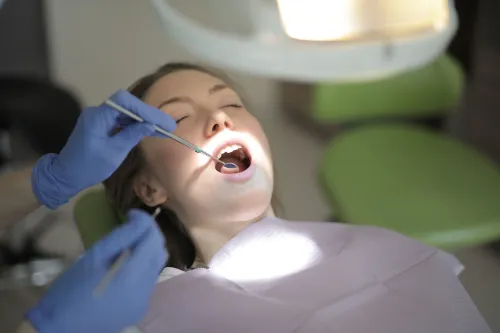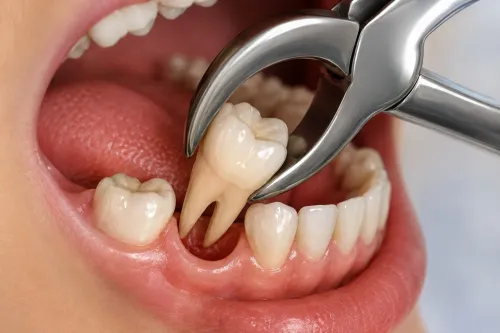
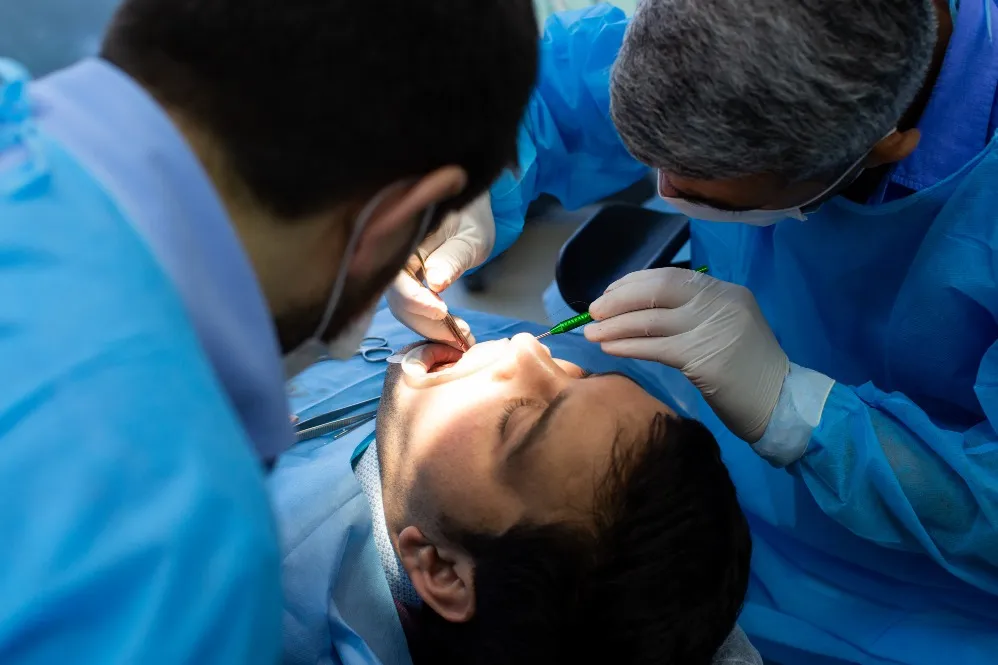
Molars play an important role in chewing and maintaining proper bite alignment. Because these teeth handle most of the chewing force, they are also more likely to develop extensive decay, fractures, or infections over time. Although dentists always aim to preserve natural teeth whenever possible, molar tooth extraction may become the most suitable option when the tooth cannot be restored safely.
Understanding when extraction is recommended helps patients make informed decisions about their oral health while preventing more serious dental complications.
When Is Molar Tooth Extraction Recommended?
A dentist may suggest removing a molar tooth for several reasons.
Common situations include:
- Extensive tooth decay
- Severe tooth fracture
- Advanced gum disease
- Persistent dental infection
- Failed previous treatment
- Overcrowding before orthodontic treatment
- Damage beyond successful restoration
Before recommending extraction, the dentist carefully evaluates whether the tooth can still be preserved through restorative treatment.
Signs That Should Not Be Ignored
Some symptoms may indicate that a molar requires immediate evaluation.
These include:
- Severe toothache
- Pain while chewing
- Swollen gums
- Facial swelling
- Persistent bad taste in the mouth
- Loose molar
- Repeated dental abscesses
Prompt dental care helps prevent infection from spreading to surrounding tissues.
How Dentists Assess the Tooth
Every extraction decision begins with a detailed examination.
The assessment may include:
- Clinical evaluation
- Digital dental X-rays
- Examination of surrounding bone
- Assessment of neighbouring teeth
- Review of the patient's medical history
This information allows the dentist to recommend the safest and most appropriate treatment.
What Happens During the Procedure?
A typical molar extraction involves:
- Clinical examination.
- Local anaesthesia.
- Gentle loosening of the tooth.
- Careful removal of the molar.
- Cleaning of the extraction site.
- Post-treatment care instructions.
Some complex cases, such as impacted molars or fractured roots, may require a surgical extraction.
Recovery After Molar Tooth Extraction
Following post-operative instructions supports smooth healing.
Patients are usually advised to:
- Eat soft foods for the first few days.
- Avoid smoking or tobacco use.
- Keep the extraction area clean.
- Avoid vigorous rinsing immediately after treatment.
- Take prescribed medications as directed.
- Attend follow-up visits if required.
Most patients gradually resume their normal activities within a few days.
Why Replacing a Missing Molar Is Important
After extraction, replacing the missing tooth may be recommended to maintain proper oral function.
Replacement options can include:
- Dental implants
- Dental bridges
- Partial dentures
Replacing missing molars helps maintain bite balance, supports efficient chewing, and reduces the risk of neighbouring teeth shifting over time.
Professional Tooth Extraction in Dwarka
Patients requiring molar tooth extraction in Dwarka Sector 12 often look for experienced dental professionals who prioritise patient comfort and careful treatment planning. AK Dental Superspeciality Clinic provides comprehensive evaluations to determine whether extraction is necessary and discusses suitable tooth replacement options whenever appropriate. Patients can also explore the clinic's services through its website before planning their treatment.
Molar tooth extraction is recommended only when preserving the tooth is no longer a practical option. Early diagnosis, professional treatment, and appropriate follow-up care help patients recover comfortably while protecting their long-term oral health.
Keywords