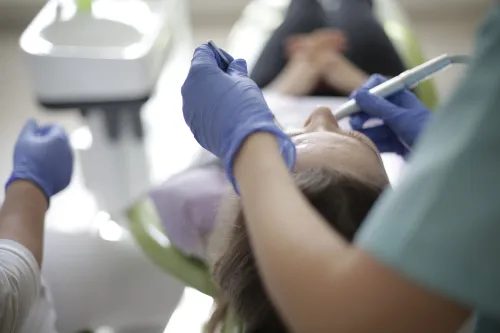
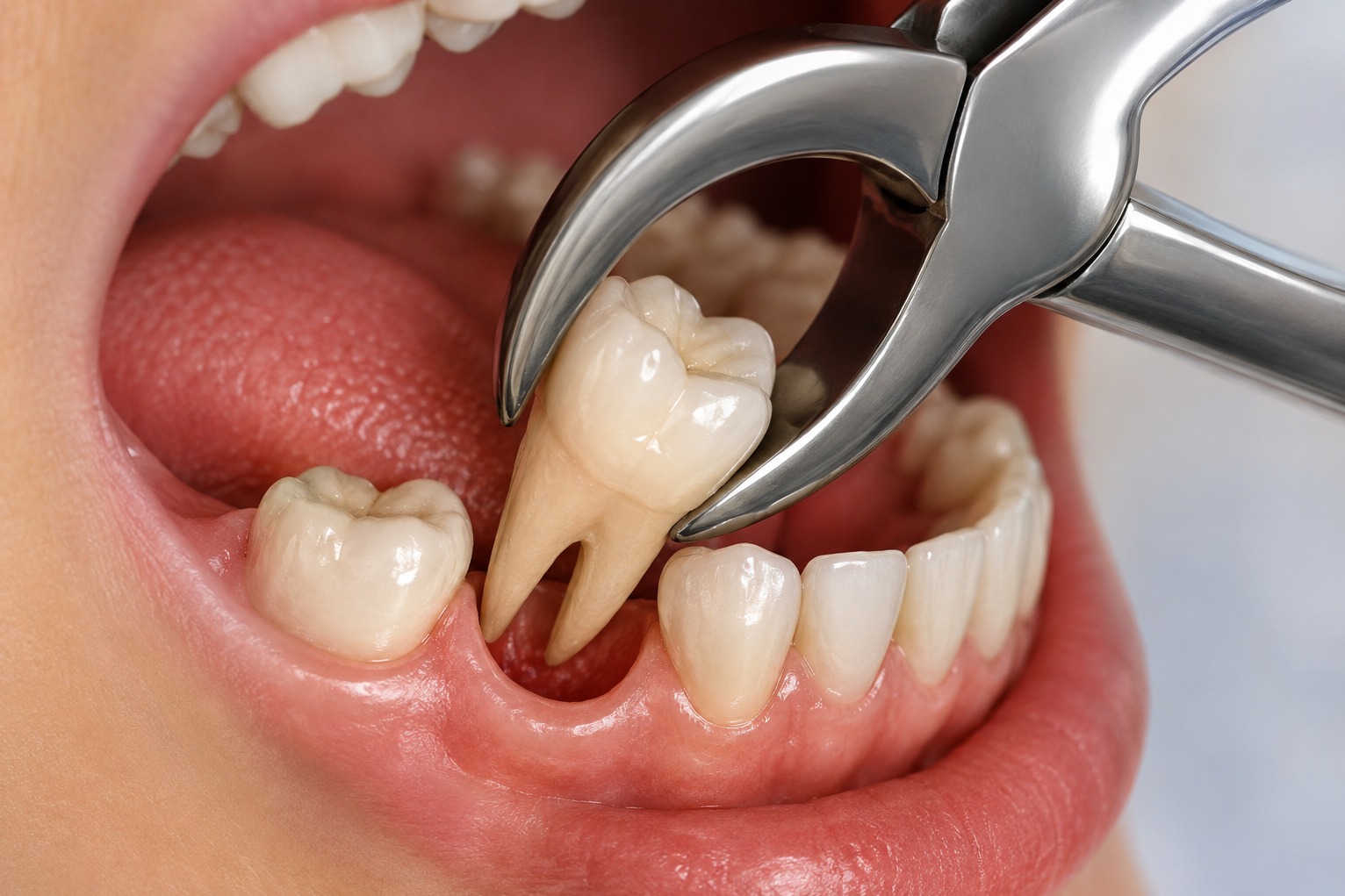
Wisdom teeth usually appear toward the back of the mouth and can sometimes erupt without creating significant problems. In other cases, limited space or an abnormal eruption angle can cause pain, swelling, food trapping, or damage to nearby tissues. Wisdom Tooth Extraction may then be considered.
For patients in Delhi experiencing repeated discomfort around a back tooth, understanding why removal is recommended can help distinguish a temporary episode from a recurring dental problem.
When Does a Wisdom Tooth Become Problematic?
A wisdom tooth may remain completely beneath the gum or emerge only partially. These teeth are commonly described as impacted or partially erupted depending on their position.
Problems can include:
- Repeated pain behind the last molar
- Swelling around the gum
- Food trapping
- Difficulty cleaning the area
- Gum infection around a partially erupted tooth
- Decay affecting the wisdom tooth
- Damage or decay involving the adjacent molar
- Cystic changes in some cases
Not every impacted wisdom tooth requires immediate removal. Clinical findings, symptoms, position, and future risk all influence the decision.
Simple Extraction and Surgical Extraction Are Different
A fully erupted wisdom tooth may sometimes be removed using a relatively straightforward extraction technique.
An impacted tooth beneath gum or bone may require a surgical approach. The dentist or oral surgeon may need to create access to the tooth and, depending on its position, remove it in sections.
Dental X-rays are commonly used to evaluate the roots, neighbouring teeth, surrounding bone, and important anatomical structures before treatment.
What Should Patients Expect After Removal?
Some swelling, tenderness, and temporary difficulty chewing can occur after wisdom tooth surgery. Recovery varies according to the complexity of extraction and individual healing.
Patients are generally given instructions regarding oral hygiene, diet, activity, and care of the extraction area.
Following these instructions is important because disturbing the healing site can contribute to complications.
When Should You Arrange an Assessment?
Repeated swelling, increasing pain, difficulty opening the mouth, unpleasant taste, or tenderness around a wisdom tooth deserves dental evaluation rather than repeated self-medication.
For residents across Delhi, AK Dental Superspeciality Clinic can assess wisdom tooth position and surrounding structures and determine whether monitoring, local treatment, or extraction is appropriate.
Delhi patients may be tempted to postpone evaluation when pain disappears between episodes. However, recurring inflammation can indicate that the underlying problem has not been resolved.
The decision to remove a wisdom tooth should therefore be based on clinical evidence rather than the assumption that every third molar must be extracted. Appropriate examination and imaging help establish whether the tooth can remain safely or whether planned removal offers a more suitable approach.
Keywords