A damaged or weakened tooth does not always need to be removed. In many cases, a dental crown can restore its strength, improve its appearance, and protect it from further damage. Dental crowns are one of the most commonly recommended restorative treatments because they help preserve natural teeth while improving comfort and function.
Whether a tooth has been weakened by decay, fractured after an injury, or treated with a root canal, a dental crown can provide long-lasting support when planned and placed correctly.
What Is a Dental Crown?
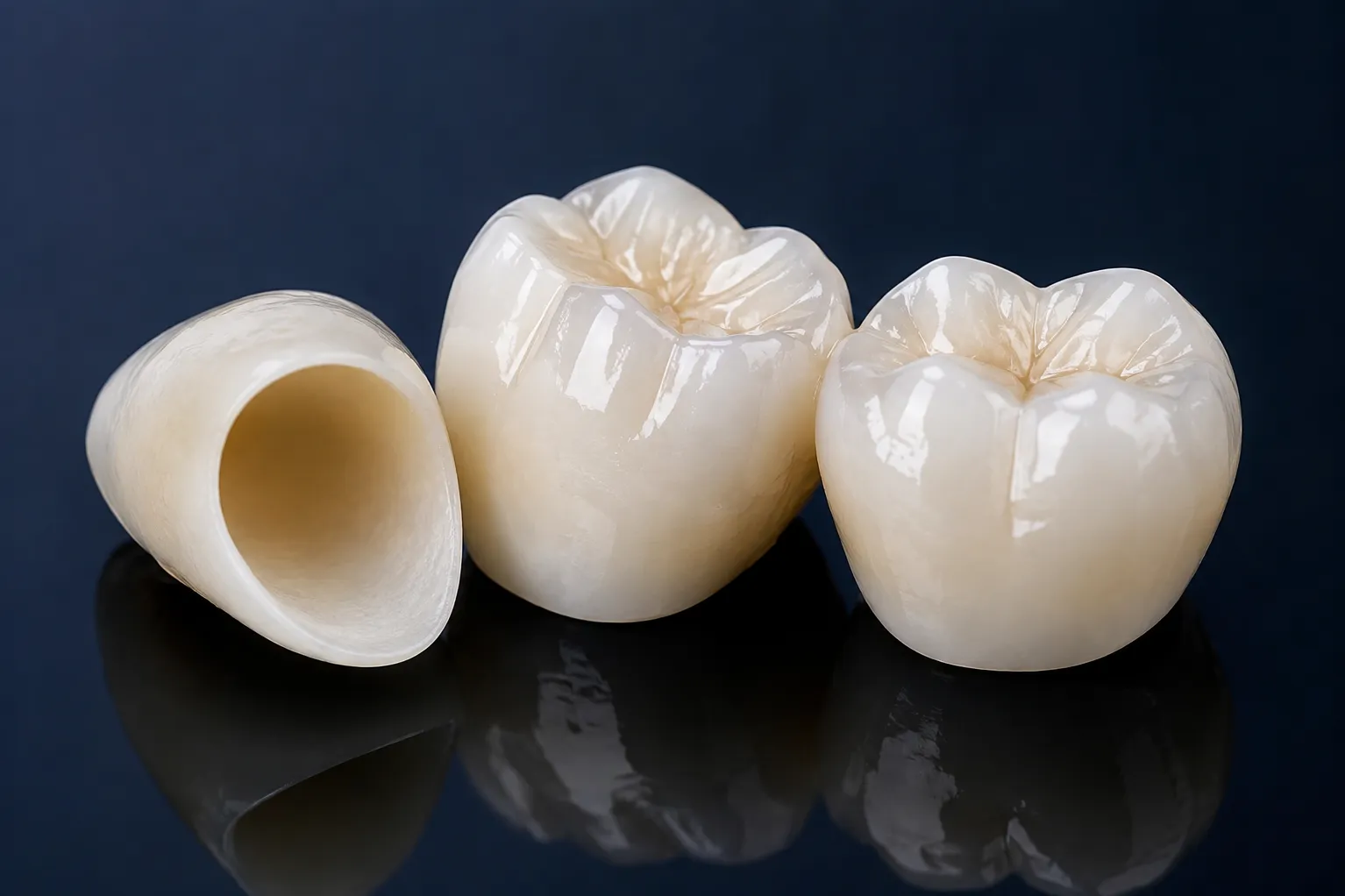
A dental crown is a custom-made cap that completely covers the visible portion of a damaged tooth. It restores the tooth's original shape, size, and strength while allowing it to function normally during chewing and speaking.
Crowns are designed to blend naturally with surrounding teeth, making them both functional and aesthetically pleasing.
When Is a Dental Crown Needed?
A dentist may recommend a dental crown in several situations, including:
- After root canal treatment
- To restore a severely decayed tooth
- To protect a cracked or fractured tooth
- To replace a large filling when little natural tooth remains
- To restore worn-down teeth
- To support a dental bridge
- To complete a dental implant restoration
The decision depends on the condition of the tooth and the amount of healthy structure that remains.
Different Types of Dental Crowns
Several materials are used to fabricate dental crowns, and each has its own advantages.
Ceramic Crowns
Ceramic crowns closely resemble natural teeth and are often recommended for front teeth because of their excellent appearance.
Zirconia Crowns
Known for their strength and durability, zirconia crowns are suitable for both front and back teeth.
Porcelain Fused to Metal Crowns
These crowns combine the strength of metal with the appearance of porcelain and are commonly used for restoring damaged teeth.
Your dentist will recommend the most suitable option based on the tooth's location, function, and cosmetic requirements.
Benefits of Dental Crowns
Dental crowns provide several long-term advantages:
- Protect weakened teeth from further damage
- Restore normal chewing ability
- Improve the appearance of damaged teeth
- Increase the lifespan of treated teeth
- Support comfortable biting and speaking
- Preserve natural teeth whenever possible
With proper care, crowns can remain functional for many years.
What to Expect During the Procedure
The treatment usually includes:
- Clinical examination.
- Digital X-rays if required.
- Tooth preparation.
- Digital scan or impression.
- Temporary crown placement when necessary.
- Placement of the permanent crown after fabrication.
Modern digital dentistry allows crowns to fit accurately while providing a natural appearance.
Caring for Your Dental Crown
Although crowns are durable, maintaining good oral hygiene remains essential.
Patients should:
- Brush twice every day.
- Floss around the crown carefully.
- Avoid biting very hard objects.
- Attend regular dental examinations.
- Address teeth grinding if recommended by the dentist.
Proper maintenance helps protect both the crown and the surrounding tooth structure.
Restorative Dental Care in Dwarka
Patients searching for dental crowns in Dwarka Sector 9 often prefer clinics that use advanced diagnostic technology and high-quality restorative materials. AK Dental Superspeciality Clinic provides customised crown treatments designed to restore damaged teeth while maintaining a natural appearance and comfortable bite. Patients can also learn more about restorative dental services through the clinic's website before scheduling a consultation.
Dental crowns remain one of the most effective solutions for preserving damaged teeth. Early treatment not only restores function but also helps avoid more extensive dental procedures in the future.
Keywords