
A severe toothache can make eating, sleeping, and concentrating difficult. In some cases, the source of the problem lies deep inside the tooth, where the dental pulp containing nerves and blood vessels has become inflamed or infected. RCT, commonly known as root canal treatment, is designed to treat this internal area and preserve the natural tooth when clinically possible.
For patients in Delhi, knowing the common warning signs can help them understand why a dentist may recommend root canal treatment instead of simply prescribing pain relief.
Why Does a Tooth Need Root Canal Treatment?
The outer portion of a tooth protects the softer tissues inside it. Deep decay, cracks, trauma, or repeated dental procedures can sometimes allow bacteria or inflammation to reach the pulp.
Possible symptoms include:
- Persistent or severe toothache
- Pain while chewing
- Prolonged sensitivity to hot or cold
- Swelling around a tooth
- Tenderness in nearby gums
- Tooth discolouration in some cases
- A recurring pimple-like swelling on the gum
Interestingly, an infected tooth does not always cause intense pain. Symptoms can sometimes reduce when the pulp loses vitality even though infection remains around the root.
What Happens During RCT?
The dentist first examines the tooth and may take dental X-rays to assess the roots and surrounding tissues.
During root canal treatment, the affected internal tissue is removed. The root canal system is then cleaned, shaped, disinfected, and filled with an appropriate material.
Depending on the condition of the tooth, treatment may involve one or more appointments.
Why Is a Crown Sometimes Recommended?
A tooth that has undergone root canal treatment may have already lost substantial structure because of decay, cracks, or previous restorations.
For certain teeth, particularly back teeth that experience substantial chewing forces, a crown or another suitable restoration may be recommended to protect the remaining structure.
Whether a crown is required depends on the location and condition of the tooth.
RCT or Tooth Extraction
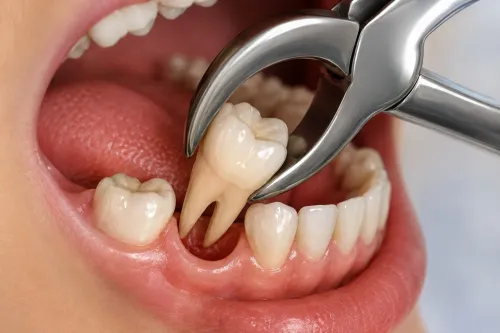
Extraction removes the affected tooth completely, while root canal treatment attempts to retain the natural tooth.
The appropriate choice depends on whether the tooth has sufficient remaining structure, periodontal support, and a reasonable restorative outlook.
For Delhi residents experiencing persistent dental pain, AK Dental Superspeciality Clinic can evaluate the tooth clinically and through appropriate imaging to determine whether root canal treatment, another restorative procedure, or extraction should be considered.
Dental infections should not be judged solely by the intensity of pain. Early assessment can clarify the cause and available treatment options. Across Delhi and the National Capital Territory, timely dental evaluation is particularly valuable when toothache is accompanied by swelling, difficulty chewing, or recurring symptoms.
Keywords