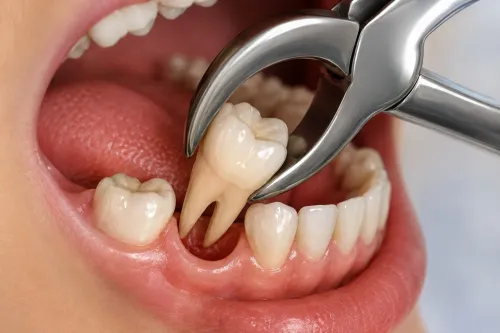
A persistent toothache is often a sign that something more serious is happening beneath the surface. When the soft tissue inside a tooth becomes infected or inflamed, Root Canal Treatment can often save the natural tooth while eliminating pain and preventing the spread of infection.
Many people feel anxious when they hear the words 'root canal,' but advances in modern dentistry have made the procedure far more comfortable and predictable than many expect.
What Is Root Canal Treatment?
Inside every tooth is a soft tissue called the pulp, which contains nerves and blood vessels. When this pulp becomes infected because of deep decay, cracks, repeated dental procedures, or injury, root canal treatment removes the damaged tissue and seals the tooth to protect it from future infection.
The goal is to preserve the natural tooth rather than remove it.
Signs You May Need Root Canal Treatment
Although only a dentist can confirm the diagnosis, common symptoms include:
- Persistent tooth pain
- Sensitivity to hot or cold that lasts after eating or drinking
- Pain while chewing
- Swollen or tender gums
- Darkening of the tooth
- A recurring pimple on the gums
Ignoring these symptoms may allow the infection to worsen.
Why Saving a Natural Tooth Is Beneficial
Whenever possible, dentists recommend preserving natural teeth because they continue to function more effectively than artificial replacements.
Benefits include:
- Maintaining natural chewing efficiency
- Preserving jawbone health
- Preventing neighbouring teeth from shifting
- Supporting normal speech
- Reducing the need for tooth replacement options
Saving a tooth is often the most conservative treatment approach.
What Happens During the Procedure?
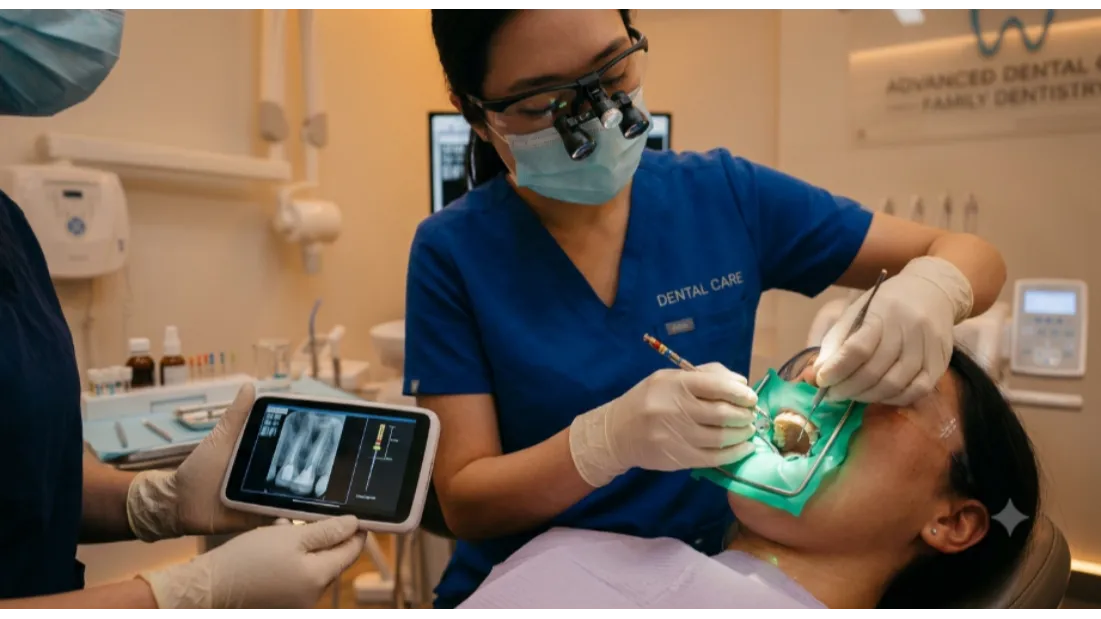
Root canal treatment generally involves:
- Examining the affected tooth.
- Taking digital X-rays.
- Administering local anaesthesia.
- Removing infected pulp tissue.
- Cleaning and disinfecting the canals.
- Filling and sealing the canals.
- Restoring the tooth, often with a dental crown when required.
The procedure is carefully planned to ensure the tooth remains functional for years to come.
Common Myths About Root Canal Treatment
It Is Extremely Painful
Modern anaesthesia and improved techniques have made root canal treatment similar in comfort to many routine dental procedures.
Tooth Extraction Is Always Better
Removing a tooth may seem like a quicker solution, but preserving the natural tooth often provides better long-term function.
The Tooth Will Not Last
A properly treated tooth that receives the recommended restoration can continue functioning successfully for many years.
Caring for Your Tooth After Treatment
Following treatment, patients should:
- Avoid chewing hard foods until the tooth is fully restored.
- Maintain excellent oral hygiene.
- Attend follow-up appointments.
- Wear a night guard if recommended for teeth grinding.
- Visit the dentist regularly for preventive care.
These habits help protect the treated tooth and surrounding oral tissues.
Quality Endodontic Care in Dwarka
Residents of Dwarka Sector 10 seeking Root Canal Treatment often prefer dental clinics that combine advanced diagnostic technology with experienced clinicians. AK Dental Superspeciality Clinic provides personalised treatment plans focused on preserving natural teeth whenever possible. Patients can also explore the clinic's dental services through its website before scheduling an appointment.
Root canal treatment plays an important role in modern dentistry by helping patients keep their natural teeth while relieving pain and preventing further infection. Early diagnosis and timely care can make the treatment simpler and improve long-term oral health.
Keywords