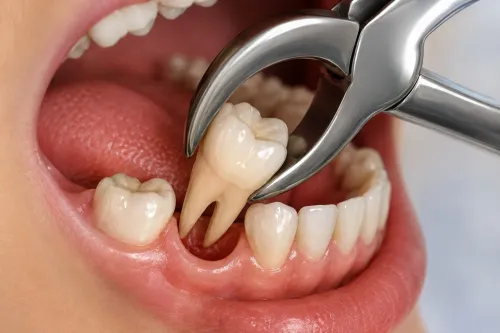
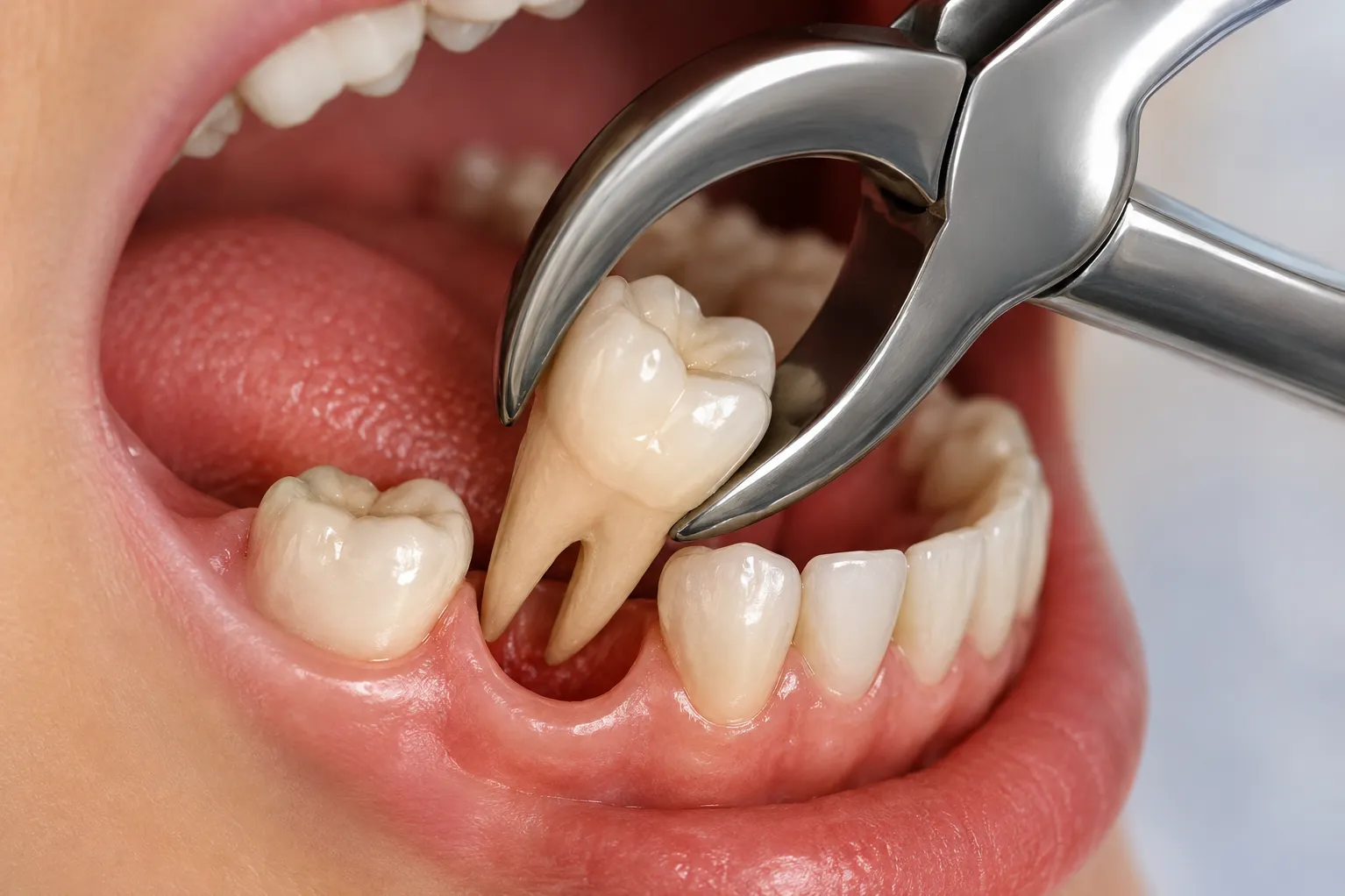
Wisdom teeth are the last set of molars to develop, usually appearing between the ages of 17 and 25. While some wisdom teeth grow normally without causing any issues, many do not have enough space to erupt properly. This can lead to pain, swelling, infection, and damage to neighbouring teeth. Wisdom Tooth Extraction is often recommended when these teeth create oral health problems or are likely to cause complications in the future.
Not every wisdom tooth requires removal, but regular dental examinations can help identify potential concerns before they become more serious.
Why Wisdom Teeth Often Cause Problems
Unlike other permanent teeth, wisdom teeth erupt after the jaw has already developed. In many individuals, there is simply not enough room for these additional molars.
As a result, wisdom teeth may:
- Grow at an angle
- Remain trapped inside the jawbone
- Partially erupt through the gums
- Push against adjacent teeth
- Create spaces where bacteria accumulate
These situations increase the likelihood of discomfort and infection.
Common Signs You May Need Wisdom Tooth Extraction
Although only a dentist can confirm the need for treatment, certain symptoms should not be ignored.
These include:
- Pain at the back of the mouth
- Swollen or tender gums
- Difficulty opening the mouth fully
- Jaw stiffness
- Bad breath caused by trapped food and bacteria
- Frequent gum infections around the wisdom tooth
- Pressure on nearby teeth
Seeking an evaluation early can help prevent more complex dental issues.
How Dentists Decide Whether Extraction Is Necessary
A recommendation for wisdom tooth extraction is based on a thorough clinical assessment and diagnostic imaging.
The dentist will evaluate:
- The position of the wisdom tooth
- Available space in the jaw
- Gum health
- Signs of infection
- Impact on neighbouring teeth
- Risk of future complications
Digital X-rays often provide a clear view of the tooth's position and surrounding bone.
What Happens During the Procedure?
The treatment process generally includes:
- Clinical examination.
- Digital X-ray evaluation.
- Administration of local anaesthesia.
- Careful removal of the wisdom tooth.
- Cleaning of the area.
- Post-treatment instructions for recovery.
The complexity of the procedure depends on whether the tooth has fully erupted or remains impacted beneath the gums.
Recovery Tips After Wisdom Tooth Extraction
Following the dentist's instructions supports faster healing and reduces the risk of complications.
Helpful recovery measures include:
- Eat soft foods for the first few days.
- Avoid smoking and tobacco products.
- Do not use a straw immediately after treatment.
- Apply cold compresses if swelling occurs.
- Maintain oral hygiene without disturbing the extraction site.
- Attend follow-up appointments if advised.
Most patients gradually return to their normal routine as healing progresses.
Can Delaying Treatment Cause Problems?
Ignoring problematic wisdom teeth may increase the risk of:
- Gum infections
- Tooth decay
- Damage to neighbouring teeth
- Jaw discomfort
- Cyst formation around impacted teeth
- Difficulty maintaining oral hygiene
Early assessment allows the dentist to recommend treatment before these complications become more serious.
Expert Wisdom Tooth Care in Dwarka
Many patients seeking Wisdom Tooth Extraction in Dwarka Sector 8 choose clinics equipped with digital diagnostic technology and experienced dental professionals. AK Dental Superspeciality Clinic offers comprehensive evaluations to determine whether wisdom tooth removal is necessary and develops personalised treatment plans based on each patient's condition. Patients can also explore available dental services through the clinic's website before scheduling a consultation.
Wisdom tooth extraction is often a preventive procedure that protects surrounding teeth and supports long-term oral health. Timely evaluation and professional treatment can help patients avoid unnecessary pain while preserving the overall health of their smile.
Keywords