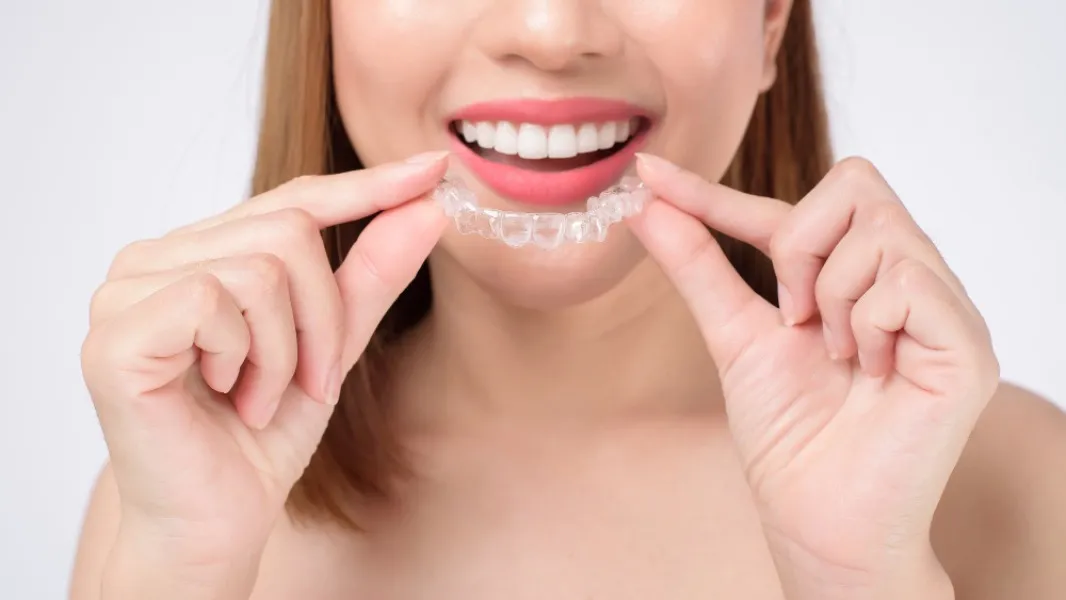
Clear orthodontic treatment has changed how many adults and teenagers approach teeth straightening. Rather than relying only on conventional brackets and wires, selected patients can now undergo orthodontic correction using removable transparent trays. Dental Invisalign is one of the commonly searched options among people considering this approach.
For patients across Delhi, understanding what Invisalign treatment actually involves can make the initial consultation far more productive.
Invisalign Is More Than a Clear Tray
Invisalign treatment involves a planned series of customized clear aligners. Each aligner is designed to contribute to specific tooth movements as treatment progresses.
The process typically begins with an orthodontic and dental evaluation. Digital records may then be used to plan how the teeth should move from their existing positions toward the intended alignment.
Depending on the case, small tooth-coloured attachments may be placed on certain teeth to help achieve specific movements.
What Can Invisalign Address?
Depending on individual clinical findings, clear aligner treatment may be considered for:
- Crowded teeth
- Spaces between teeth
- Certain overbite or underbite concerns
- Crossbite in selected cases
- Mildly rotated teeth
- Orthodontic relapse following earlier treatment
The presence of a particular problem does not automatically mean Invisalign will be suitable. The severity of the condition and the type of tooth movement required remain important.
Eating and Oral Hygiene During Treatment
Because the aligners are removable, patients can generally continue eating a broad range of foods. The trays are removed before meals and replaced after cleaning the teeth.
This can make brushing and flossing more straightforward compared with cleaning around fixed orthodontic brackets.
Patients should still pay close attention to oral hygiene. Putting aligners back over food debris or sugary residue can create an unhealthy environment around the teeth.
Consistency Influences Progress
Removability is useful only when accompanied by disciplined wear.
Aligners generally need to remain in place for most of the day according to professional instructions. Removing them repeatedly for extended periods can interfere with planned tooth movement.
Regular dental reviews are also important. These appointments allow progress to be assessed and help identify whether adjustments to the treatment plan are needed.
Start With Diagnosis Rather Than Appearance
People seeking Invisalign treatment in Delhi often begin with the goal of having straighter teeth without visible braces. A comprehensive assessment should still come first.
At AK Dental Superspeciality Clinic, evaluation can consider alignment, bite, gum health, existing dental restorations, and other oral factors before clear aligner treatment is planned.
Patients should also discuss expected treatment duration, retainers after treatment, follow-up requirements, and any limitations associated with their individual case.
For residents of the National Capital Territory of Delhi, Invisalign can offer a convenient orthodontic pathway when it matches the clinical requirements. Understanding the commitment involved before beginning helps patients approach treatment with practical expectations rather than viewing clear aligners as an instant cosmetic solution.
Keywords