Losing a permanent tooth can affect eating, speech, appearance, and the way neighbouring teeth function. When one or more teeth are missing, replacement options can include removable dentures, dental bridges, and Dental Implants.
Dental implants differ from conventional replacement methods because they are placed within the jawbone to support a replacement tooth or prosthesis.
For people in Delhi considering long-term tooth replacement, understanding the treatment stages is useful before deciding whether implants are appropriate.
What Is a Dental Implant?
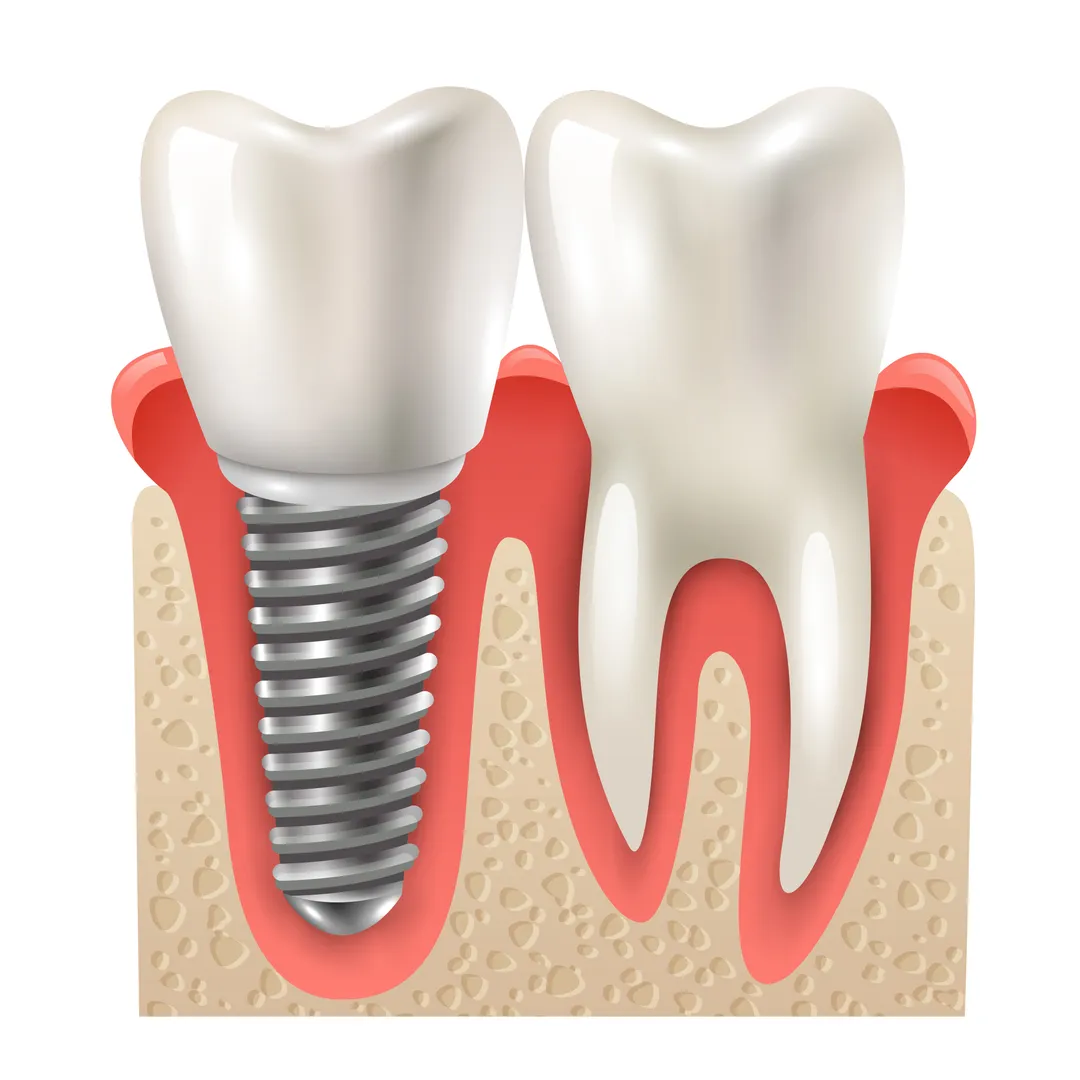
A dental implant is generally a biocompatible fixture, commonly made from titanium or a similar material, that is surgically positioned in the jawbone.
After appropriate healing, it can support a dental crown, bridge, or other prosthetic restoration.
The implant itself replaces the supporting function of the missing tooth root. The visible artificial tooth is a separate restoration attached during a later stage.
Why Assessment Comes First
Implant treatment cannot be planned by looking only at the gap.
A dentist may need to evaluate:
- Available jawbone
- Gum condition
- Location of neighbouring teeth
- Bite forces
- Relevant medical history
- Oral hygiene
- Smoking or other risk factors
- Position of important anatomical structures
Dental X-rays and, where clinically required, three-dimensional imaging can provide additional information for planning.
Some patients have sufficient bone for straightforward implant placement, while others may require additional procedures before or during treatment.
Is Implant Placement Painful?
Implant surgery is generally performed with appropriate anaesthesia to control discomfort during the procedure. The experience after treatment varies depending on the complexity of surgery, number of implants, and individual healing response.
Patients receive instructions regarding oral hygiene, eating, medication where prescribed, and activities during the initial healing period.
How Long Does the Process Take?
Implant treatment is not always completed in one appointment.
After placement, time may be required for healing and integration between the implant and surrounding bone. The final restoration is planned according to the clinical situation and healing progress.
In selected situations, different loading protocols may be possible, but they are not suitable for every patient.
Long-Term Care Still Matters
An artificial tooth cannot develop decay in the same way as a natural tooth, but tissues around an implant still require care.
Plaque accumulation around implants can contribute to gum and supporting-tissue problems. Daily cleaning, professional reviews, and appropriate maintenance therefore remain essential.
Patients exploring implant treatment in Delhi can have their missing teeth, bone condition, gums, and bite evaluated at AK Dental Superspeciality Clinic before a treatment approach is selected.
For residents throughout Delhi and the National Capital Territory, the right tooth-replacement decision should consider oral health, anatomy, maintenance requirements, treatment time, and personal priorities. Dental implants can be an effective option in appropriately selected cases, but careful planning remains central to achieving a functional and maintainable restoration.
Keywords