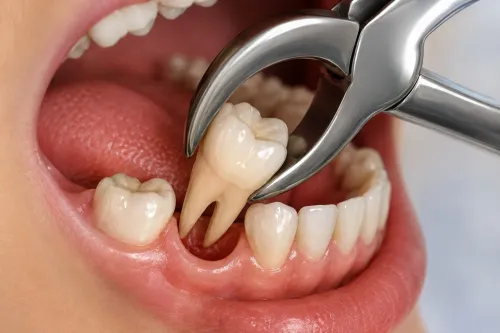
Losing a tooth can affect much more than your smile. It can make chewing difficult, change the way you speak, and even lead to gradual bone loss in the jaw. Fortunately, Dental Implants provide a reliable and long-lasting solution for replacing missing teeth while restoring both function and appearance.
Unlike removable dentures or traditional bridges, dental implants are designed to function like natural tooth roots. With proper planning and good oral hygiene, they can offer a durable replacement that feels secure and comfortable.
What Are Dental Implants?
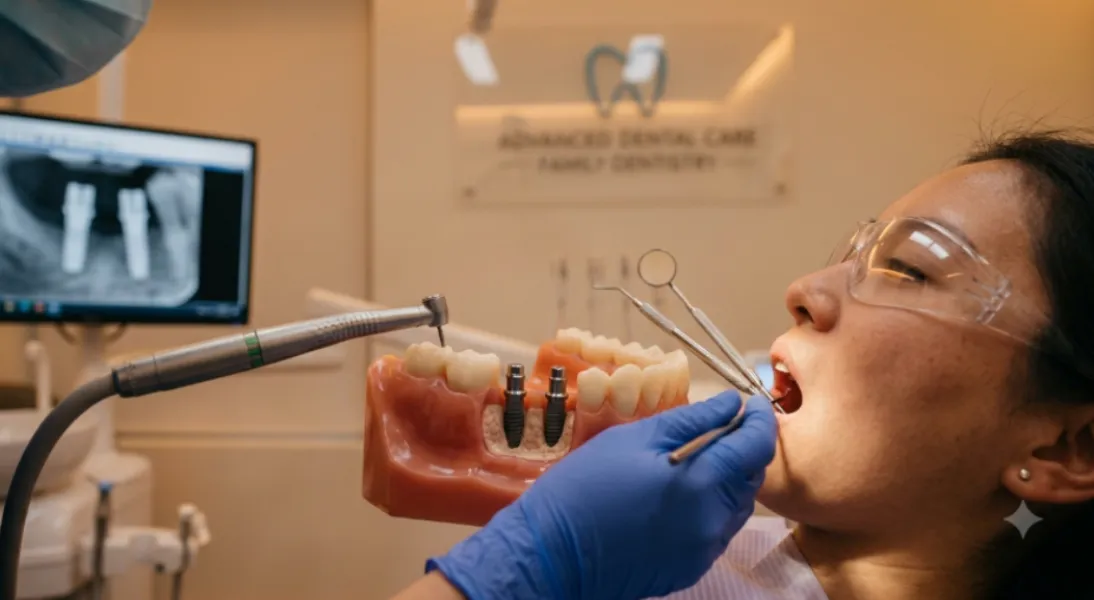
A dental implant is a small titanium post that is surgically placed into the jawbone where a tooth is missing. Over time, the implant fuses with the surrounding bone through a natural healing process known as osseointegration.
Once healing is complete, a customised dental crown is attached to the implant, creating a replacement tooth that closely resembles the look and function of a natural tooth.
Who Can Consider Dental Implants?
Dental implants are suitable for many adults who have lost one or more teeth due to:
- Tooth decay
- Gum disease
- Dental trauma
- Failed root canal treatment
- Congenital missing teeth
A detailed clinical examination and diagnostic imaging help determine whether a patient has sufficient bone support for implant placement.
Benefits of Choosing Dental Implants
Natural Appearance
Implants are designed to blend with surrounding teeth, creating a smile that looks natural and balanced.
Improved Chewing Ability
Because implants are securely anchored into the jawbone, they provide greater biting strength than removable dentures.
Better Jawbone Health
When a tooth is lost, the surrounding jawbone gradually begins to shrink. Dental implants help stimulate the bone, reducing the risk of bone loss.
Long-Term Solution
With proper care and regular dental check-ups, implants can remain functional for many years, making them a dependable investment in oral health.
Protection for Adjacent Teeth
Unlike traditional bridges, implants do not require neighbouring healthy teeth to be reshaped for support.
What to Expect During Treatment
Dental implant treatment usually involves several stages:
- Comprehensive oral examination.
- Digital X-rays or CBCT scanning.
- Personalised treatment planning.
- Implant placement.
- Healing period for bone integration.
- Placement of the final dental crown.
The overall treatment timeline depends on the patient's oral health and bone condition.
Caring for Dental Implants
Although implants cannot develop cavities, the surrounding gums and bone still require proper care.
Patients should:
- Brush twice daily.
- Floss around the implant.
- Attend regular dental check-ups.
- Avoid tobacco products.
- Follow professional cleaning recommendations.
Consistent oral hygiene helps protect the longevity of the implant.
Are Dental Implants Right for Everyone?
Most healthy adults can be considered for implant treatment, but certain medical conditions or inadequate bone volume may require additional procedures before implant placement.
A professional consultation allows the dentist to assess individual needs and recommend the most appropriate treatment approach.
Advanced Tooth Replacement in Dwarka
People searching for Dental Implants in Dwarka Sector 7 often look for clinics equipped with advanced diagnostic technology and experienced implant dentists. AK Dental Superspeciality Clinic provides detailed implant evaluations and personalised treatment planning to help patients restore missing teeth with confidence. Patients can also learn more about available services through the clinic's website before beginning treatment.
Replacing missing teeth at the right time can improve chewing ability, preserve jawbone health, and restore confidence. Dental implants continue to be one of the most effective solutions for achieving long-term oral function and a natural-looking smile.
Keywords